5 Popular Careers in Oncology: Jobs That Make a Difference in Cancer Care. Cancer care requires much more than an oncologist. A modern cancer-care team may include physicians, nurses, radiation therapists, pharmacists, social workers, dietitians, nurse practitioners, physical therapists, psychologists, and many other professionals.
In fact, the National Cancer Institute (NCI) describes cancer care as a team effort, with different healthcare professionals helping patients with treatment, side effects, medications, nutrition, emotional health and practical problems.
For someone considering a healthcare career, oncology offers an unusual combination of science, technology, patient relationships and rapidly changing medicine.
And the need isn’t going away.
The American Society of Clinical Oncology (ASCO) reported in 2025 that demand for cancer care is increasing while access to medical and hematology oncologists may become increasingly strained, particularly outside major metropolitan areas.
Below are five popular and important careers for people interested in working with cancer patients.
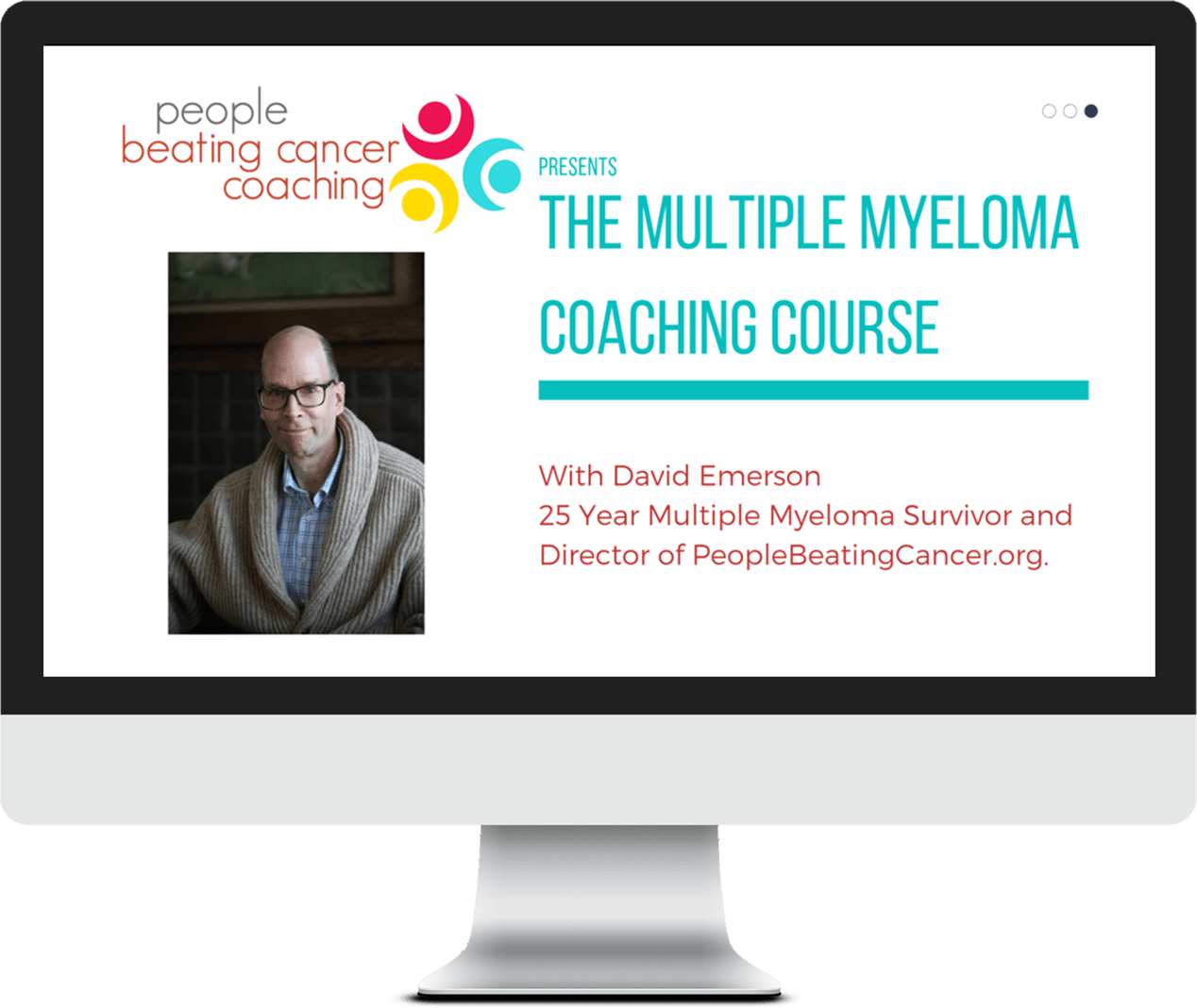
I am a survivor of a blood cancer called Multiple Myeloma. I can tell you, without a doubt, that oncology professionals were central to my time as a person undergoing cancer care.
Scroll down the page and post a question or comment if you would like to learn more about cancer care or oncology.
Good luck,
David Emerson
- Cancer Survivor
- Cancer Coach
- Director, PeopleBeatingCancer
1. Medical Oncologist
When most people hear the word “oncologist,” this is probably the job they imagine. A medical oncologist is a physician who specializes in diagnosing and treating cancer, particularly with systemic therapies such as:
- Chemotherapy
- Immunotherapy
- Targeted therapy
- Hormonal therapy
- Other anti-cancer medications
Medical oncologists often coordinate a patient’s overall cancer treatment and work closely with surgeons, radiation oncologists, nurses, pharmacists, and other specialists.
What does a medical oncologist do?
Depending on the cancer and practice setting, an oncologist may:
- Diagnose and stage cancer
- Recommend treatment
- Explain risks and benefits
- Prescribe chemotherapy and other cancer drugs
- Monitor treatment response
- Manage treatment-related side effects
- Order scans and laboratory tests
- Coordinate care with other specialists
- Manage recurrence or metastatic disease
- Provide long-term follow-up
Medical oncology is intellectually demanding because cancer treatment changes rapidly. Today’s oncologist must understand not only traditional chemotherapy but also molecular testing, targeted therapies, immunotherapy, biomarkers and increasingly personalized approaches to treatment.
Education
Becoming a medical oncologist usually requires: College → Medical school → Internal medicine residency → Hematology/oncology fellowship. It is a long educational path, but it puts the physician at the center of cancer treatment decision-making.
Research:
2. Oncology Nurse
If oncologists design much of the treatment plan, oncology nurses often spend considerably more time with patients while that plan is being carried out. That makes oncology nursing one of the most patient-centered careers in cancer care.
Oncology nurses may work in:
- Hospitals
- Infusion centers
- Cancer clinics
- Radiation oncology departments
- Bone marrow transplant units
- Survivorship programs
- Palliative care
- Clinical trials
Their responsibilities can include administering chemotherapy, monitoring side effects, educating patients, coordinating care and helping patients manage the physical and emotional burden of treatment. The NCI notes that patients are likely to see nurses more often than many other members of their treatment team.
Job outlook
There isn’t a separate federal employment category for “oncology nurse.” Oncology nurses are included within the larger registered-nurse workforce.
However, nursing remains a large and growing healthcare profession.
The Oncology Nursing Society reports that current federal projections anticipate approximately 180,800 RN openings annually from 2025–2035, with employment projected to grow about 6%.
Cancer care represents one important part of that demand.
Education
Most oncology nurses first become registered nurses and then gain oncology experience and specialized training. Some pursue oncology nursing certification.
Advanced practice nurses may become oncology nurse practitioners and assume greater responsibility for diagnosis, treatment, follow-up and symptom management.
Research:
Oncology Nursing Society — Oncology Nurse Job Outlook
Related PBC reading:
Managing Cancer Side Effects:
3. Radiation Therapist
Radiation therapy is used to treat many different cancers, which creates another highly specialized oncology career: the radiation therapist. Radiation therapists are not radiation oncologists. A radiation oncologist is a physician who develops and supervises radiation treatment.
A radiation therapist is the healthcare professional who works directly with patients and operates the sophisticated equipment used to deliver radiation.
According to the U.S. Bureau of Labor Statistics, radiation therapists:
- Position patients for treatment
- Operate radiation-treatment equipment
- Follow precise treatment plans
- Monitor patients for unusual reactions
- Maintain detailed treatment records
- Work closely with radiation oncologists, medical physicists and dosimetrists
Precision matters enormously. Modern radiation treatments may target tumors within millimeters while attempting to minimize radiation exposure to surrounding healthy tissue.
Education and compensation
Radiation therapists typically need an associate’s or bachelor’s degree in radiation therapy, and most states require licensing or certification. According to the Bureau of Labor Statistics, the median annual wage was $105,310 in May 2025.
Employment is projected to grow approximately 3% between 2025 and 2035, with about 700 openings annually. For someone interested in both patient care and sophisticated medical technology, radiation therapy can be an attractive oncology career.
Research:
U.S. Bureau of Labor Statistics — Radiation Therapists
Related PBC reading:
Radiation for Cancer: What Patients Need to Know
4. Oncology Pharmacist
Cancer drugs have become extraordinarily complicated. A patient may receive chemotherapy, immunotherapy, targeted therapy, supportive medications and other drugs simultaneously. That makes medication safety increasingly important.
Enter the oncology pharmacist.
Oncology pharmacists specialize in medications used to treat cancer and manage treatment-related complications. Their responsibilities may include:
- Reviewing chemotherapy regimens
- Checking drug doses
- Identifying drug interactions
- Monitoring toxicity
- Helping manage side effects
- Educating patients about medications
- Advising oncologists and nurses
- Helping manage oral anti-cancer drugs
The role has become particularly important as cancer treatment has moved beyond traditional IV chemotherapy toward targeted therapies, immunotherapies and oral cancer medications.
Oncology pharmacists can also play an important role when patients use supplements or complementary therapies because some supplements can interact with chemotherapy or other medications.
Education
Oncology pharmacists generally complete a Doctor of Pharmacy (PharmD) degree, followed by specialized training or experience in oncology. Some obtain board certification in oncology pharmacy.
For someone fascinated by cancer biology and pharmacology but less interested in becoming a physician, oncology pharmacy offers an important role on the cancer-care team.
Research:
The Expanding Role of the Oncology Pharmacist
Related PBC reading:
Chemotherapy for Cancer: What Patients Need to Know
5. Oncology Social Worker
One of the most overlooked cancer-care professionals may also be one of the most valuable. Cancer doesn’t simply create a medical problem.
It can create:
- Financial problems
- Insurance problems
- Transportation problems
- Employment problems
- Family stress
- Anxiety and depression
- Caregiver stress
- Housing problems
- End-of-life concerns
An oncology social worker helps patients and families deal with these challenges. According to the National Cancer Institute, oncology social workers can help patients cope with emotional and physical issues while connecting them with community programs and financial, legal, and insurance resources.
CancerCare similarly describes oncology social workers as licensed professionals who counsel cancer patients and their loved ones. This role has become increasingly important as researchers recognize the effects of financial toxicity and social determinants of health on cancer treatment.
Cancer treatment doesn’t help very much if a patient cannot afford the medication, cannot get to the cancer center or stops treatment because they cannot afford to miss work.
Education
Oncology social workers generally have advanced training in social work, often including a master’s degree and professional licensure. Unlike some highly technical oncology careers, this profession focuses primarily on the human consequences of cancer.
Research:
Related PBC reading:
Cancer Financial Toxicity: Costs, Medical Debt and Financial Assistance
Many Other Careers Exist in Oncology
These five professions barely scratch the surface.
Modern cancer centers may also employ:
- Surgical oncologists
- Radiation oncologists
- Oncology nurse practitioners
- Physician assistants
- Pathologists
- Radiologists
- Medical physicists
- Medical dosimetrists
- Genetic counselors
- Clinical research coordinators
- Oncology dietitians
- Physical therapists
- Occupational therapists
- Palliative-care specialists
- Psychologists
- Patient navigators
And emerging fields such as cancer genomics, immunotherapy, artificial intelligence and precision oncology are creating entirely new career paths. Cancer care increasingly requires a multidisciplinary team rather than a single physician.
What Makes a Good Oncology Professional?
Technical knowledge obviously matters. But after living with cancer for decades, I would add several qualities that don’t necessarily appear in a job description. Good cancer professionals listen. They communicate complicated information in language patients can understand.
They take side effects seriously. They recognize that survival isn’t the patient’s only concern—quality of life matters too. And they understand that the person sitting across from them isn’t simply a diagnosis or a tumor. That philosophy is one reason I advocate an evidence-based, patient-centered approach to cancer care.
Cancer treatment may include surgery, chemotherapy, radiation, immunotherapy and targeted therapies. But nutrition, exercise, rehabilitation, psychological support, symptom management and other supportive strategies can also matter greatly to quality of life.
Related PBC reading:
The Bottom Line
There is no single “best” career in oncology. For someone who wants to diagnose cancer and direct treatment, medical oncology may be the goal. Someone who enjoys long-term patient relationships may prefer oncology nursing. A person fascinated by sophisticated medical technology might consider radiation therapy. Someone interested in pharmacology may be drawn to oncology pharmacy.
And someone who wants to help patients cope with the emotional, financial and practical consequences of cancer might find oncology social work deeply rewarding. All five careers have something important in common:
They put you in a position to make life better for people facing cancer.
For patients, understanding these professions is useful for another reason. These aren’t simply job titles.
These are people you may want on your cancer-care team.
5 Popular Careers in Oncology 5 Popular Careers in Oncology 5 Popular Careers in Oncology 5 Popular Careers in Oncology