Acute Lymphoblastic Leukemia (ALL) Treatment Advances: What Patients Need to Know.
Treatment for acute lymphoblastic leukemia (ALL) has advanced through better risk assessment, targeted drugs, and immunotherapy. Some advances have improved survival in clinical trials. Others remain laboratory discoveries whose benefits for patients have not been established.
As a long-term cancer survivor, I understand why the word “breakthrough” attracts attention. Patients and parents want treatments that control leukemia while reducing the burden of therapy. The useful questions are: What was actually studied? Did it help patients? Does it apply to this particular type of ALL?
What happened to the discovery discussed in the original post?
The original version of this article covered research published in 2013 in the Journal of Experimental Medicine. Investigators studied a chemical modification of sialic acid, a sugar found on and within cells, in pre-B ALL. Removing the modification caused leukemia-cell death in experimental systems and suggested a possible way to address drug resistance.
This was preclinical research, not a clinical trial demonstrating a safe, effective treatment for people. The paper did not show that supplements could reproduce the effect or improve ALL survival. It should be presented as an early research finding rather than a treatment available to patients. Read the original study.
Why the type of ALL matters
ALL is a rapidly progressing cancer involving immature lymphocytes. Treatment decisions depend on whether the leukemia is B-cell or T-cell ALL, its genetic features, the patient’s age and health, and its response to initial therapy.
A particularly important measurement is measurable residual disease (MRD): leukemia remaining at levels too small to detect with routine microscopic examination. MRD testing helps clinicians assess response and plan subsequent treatment.
A therapy developed for CD19-positive B-cell ALL generally does not apply to T-cell ALL. Likewise, a study in children cannot automatically predict outcomes in older adults. NCI’s ALL treatment overview explains diagnosis and treatment options.
Blinatumomab: an advance supported by patient trials
Blinatumomab, also called Blincyto, connects immune T cells with CD19-positive leukemia cells so the immune cells can attack them.
In June 2024, the FDA approved it during consolidation—the treatment phase intended to deepen remission—for adults and children one month and older with CD19-positive, Philadelphia chromosome-negative B-cell precursor ALL, as part of multiphase chemotherapy.
In the adult E1910 trial, three-year overall survival was approximately 85% with blinatumomab plus consolidation chemotherapy versus 69% with chemotherapy alone. The FDA also reports a later analysis showing five-year overall survival of approximately 82% versus 63%. These results concern a defined trial population, not every person diagnosed with ALL. FDA approval and trial results.
What did the childhood ALL trial find?
The AALL1731 randomized trial studied 1,440 children with newly diagnosed, NCI standard-risk B-cell ALL who had average or higher relapse risk after further assessment.
Estimated three-year disease-free survival was:
| Treatment |
Three-year disease-free survival |
| Chemotherapy plus blinatumomab |
96.0% |
| Chemotherapy alone |
87.9% |
That is an approximately eight percentage point improvement. Disease-free survival is not the same as overall survival or a confirmed lifetime cure rate. These findings do not establish the same benefit for infants, T-cell ALL, or every pediatric risk group. Read the trial published in the New England Journal of Medicine.
Blinatumomab also brings practical demands. Treatment commonly involves a continuous infusion pump and central-line care. Serious risks include cytokine release syndrome and neurologic toxicity. Families should discuss monitoring, infection precautions, and the support needed at home. NCI’s explanation of the childhood trial.
Other treatment options to discuss
Depending on the leukemia’s features and treatment history, options may include:
- Targeted drugs: Tyrosine kinase inhibitors can be used for Philadelphia chromosome-positive ALL.
- Inotuzumab ozogamicin: An antibody linked to a chemotherapy drug, used in selected patients with B-cell ALL.
- CAR T-cell therapy: A patient’s T cells are modified to recognize leukemia; this is an option for some relapsed or refractory B-cell ALL patients.
- Allogeneic stem-cell transplantation: Donor transplantation may be recommended for selected high-risk or relapsed patients.
- Clinical trials: These can offer access to investigational treatments or new combinations.
Eligibility, timing, and risks differ substantially. Ask a leukemia specialist which choices apply to the patient’s exact diagnosis. NCI’s ALL treatment guide.
What do updated survival figures mean?
The original article’s childhood survival figures should not be used as current estimates. NCI reports that more than 90% of children ages 1–18 with newly diagnosed ALL treated on current regimens are alive at five years.
Outcomes vary by subtype, age, genetics, treatment response, and access to care. Relapsed ALL remains serious, but an old statement that most relapsed patients die within a year should not be applied broadly to patients receiving modern care. Ask for an estimate based on the individual case. NCI’s childhood ALL evidence summary.
Can nutrition, exercise, or supplements help?
Supportive care matters throughout treatment. Ask the care team about dietitian support, safe physical activity or rehabilitation, sleep problems, emotional support, and help managing symptoms.
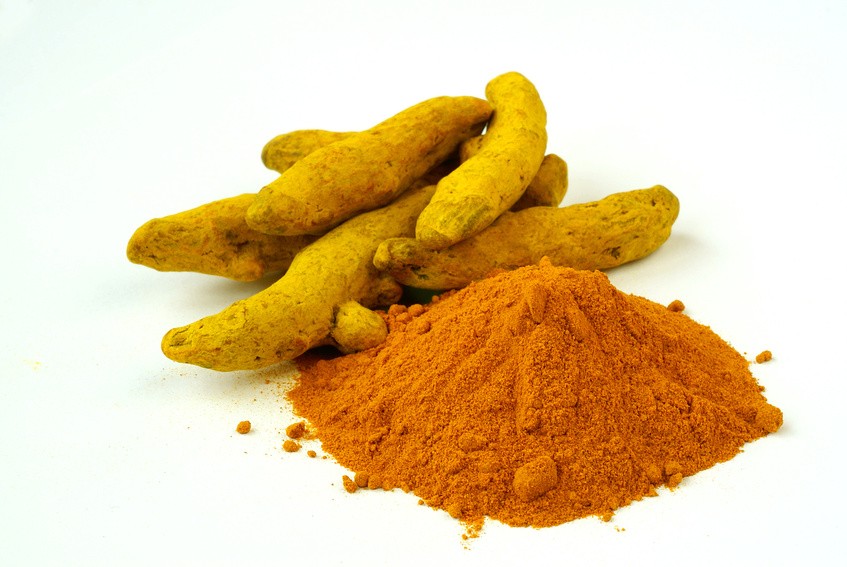
Curcumin, resveratrol, and omega-3 supplements are not established treatments for ALL, and laboratory findings do not demonstrate that they improve a patient’s response to chemotherapy. Supplements can interact with cancer medicines; “natural” does not guarantee safety. Have the oncology pharmacist review every supplement, herb, and concentrated extract before use. NCI’s review of food and supplement interactions.
My experience with multiple myeloma does not establish what is safe or effective for a child or adult with ALL.
Plan for life after treatment
Improved survival makes follow-up care essential. Depending on treatment exposures, survivors may need assessment for learning or memory difficulties, heart problems, bone health, endocrine issues, and emotional distress. These effects are possible, not inevitable. NCI’s childhood ALL treatment summary.
PBC’s discussion of pediatric ALL and chemobrain can help families identify concerns to raise with the care team. Survivors coping with anxiety may also find our article on fear of recurrence after childhood cancer useful.
Request a written treatment summary and survivorship care plan, including appropriate screening and school or workplace support.
PeopleBeatingCancer Evidence Rating
| Approach or claim |
Evidence rating for the stated use |
What patients should understand |
| Blinatumomab added to chemotherapy in the studied B-cell ALL populations |
Strong: randomized clinical trials |
Improved outcomes in defined groups; eligibility and toxicity matter. |
| Targeted drugs, CAR T cells, or transplantation for selected ALL patients |
Established options; evidence varies by treatment and setting |
Each requires a separate assessment of subtype, treatment history, benefits, and risks. |
| Targeting the sugar modification described in the 2013 study |
Preliminary: preclinical evidence |
A research lead; the original study did not establish patient benefit. |
| Curcumin, resveratrol, or omega-3 supplements to treat ALL or improve survival |
Insufficient clinical evidence |
No established ALL survival benefit; interaction review is necessary. |
PBC ratings are editorial summaries of evidence for specific claims, not a formal guideline or a personalized treatment recommendation. Strong evidence does not mean a treatment is appropriate for everyone.
Questions to ask your leukemia team
- What subtype and genetic features does this ALL have?
- What is the MRD result, and how does it affect the plan?
- Would blinatumomab or another targeted treatment help in this case?
- If the leukemia returns, what options would be available?
- Is a clinical trial appropriate now?
- Which supplements or foods could interact with treatment?
- What long-term follow-up will be needed?
As a survivor, I want patients to have both hope and a clear understanding of the evidence. Ask the team to explain how each proposed treatment fits the diagnosis, what benefit to expect, and how they will manage its risks.
PeopleBeatingCancer provides educational information. Treatment and supplement decisions should be made with the patient’s leukemia team.
David Emerson
- Cancer Surviver
- Cancer Coach
- Director PeopleBeatingCancer
Recommended Reading:
“Scientists at Griffith University’s Institute for Glycomics and The Saban Research Institute of Children’s Hospital Los Angeles have discovered a critical weakness in leukaemic cells, which may pave the way to new treatments.
The research team has demonstrated that leukaemic cells can be eradicated by removing a carbohydrate modification displayed on the cell’s surface.
Director of Griffith University’s Institute for Glycomics, Professor Mark von Itzstein is the Australian team leader. He said the discovery is an important advance against leukemia, a cancer of malignant white blood cells that multiply uncontrollably. Acute lymphoblastic leukemia (ALL) is the most common childhood cancer.
“We have found that the leukaemic cell has an altered cell surface carbohydrate decoration compared to normal cells and this also conveys resistance to drug treatment,” Professor von Itzstein said.
“We have now shown that with the removal of this carbohydrate alteration the cells die…”
Professor von Itzstein said the research could lead to new ways to fight the disease, particularly where it has become treatment resistant.
“Up until 40 years ago, only one child in five survived ALL,” but advances in chemotherapy have changed that outcome and now nearly 80 percent of children with ALL will be cured,” Professor von Itzstein said.
“For the remaining 20 percent, however, the disease returns necessitating additional rounds of intensive chemotherapy. Unfortunately, most relapsed patients die within one year because their cancer cells are resistant to chemotherapy.
“In the future, we hope that this novel, structural approach to treating ALL may offer an effective treatment option for children battling drug-resistant forms of the disease…”
“By exploiting this ‘Achilles heel’ in these leukaemic cells, our collaborative research efforts are now focused on the development of a new type of drug therapy that targets this carbohydrate modification.”
Acute Lymphoblastic Leukemia Treatments Acute Lymphoblastic Leukemia Treatment Acute Lymphoblastic Leukemia Treatments Acute Lymphoblastic LeukemiaTreatment