

Our Mission
PeopleBeatingCancer supports an evidence-based integrative approach to cancer care. For most newly diagnosed patients, FDA-approved therapies form the foundation of treatment, while evidence-based complementary therapies may help reduce side effects and improve survivorship.
Click the orange button to the right to learn more.
- You are here:
- Home »
- Blog »
- breast cancer »
- Breast Cancer and Pain: What Patients and Survivors Need to Know
Breast Cancer and Pain: What Patients and Survivors Need to Know
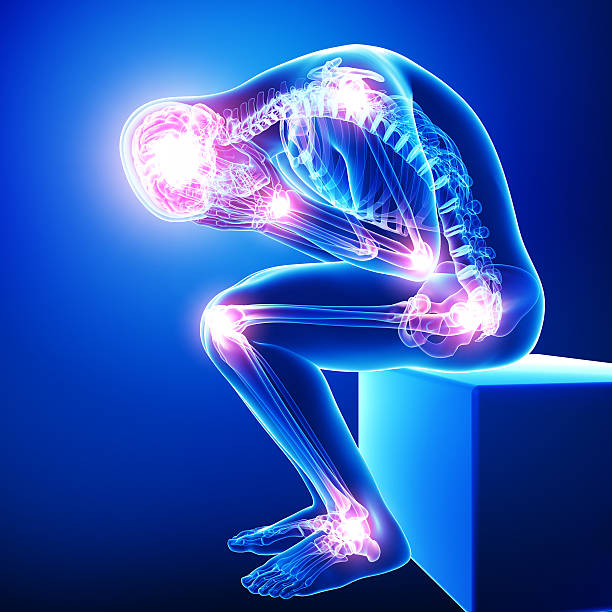

Breast Cancer and Pain: What Patients and Survivors Need to Know. Breast cancer pain can have many causes. The cancer itself, surgery, chemotherapy, radiation therapy, endocrine therapy, nerve damage, lymphedema, and long-term treatment side effects can all contribute to pain.
The most important first step is to determine what is causing the pain.
This may sound obvious, but breast cancer survivors can experience very different types of pain requiring very different solutions. Shoulder pain after surgery is not the same as chemotherapy-induced peripheral neuropathy. Aromatase inhibitor joint pain is not the same as radiation fibrosis. Painful intercourse caused by treatment-induced menopause requires a different approach than chronic nerve pain following mastectomy.
For this reason, simply taking more pain medication is not always the best answer.
The goal should be to identify the cause of the pain and then develop an individualized, multimodal pain-management plan.
This article explains the most common causes of breast cancer pain, evidence-based conventional and complementary therapies, and when new or worsening pain should be evaluated promptly.
I am a long-term survivor of an incurable blood cancer called multiple myeloma.
Though I have been in complete remission from my blood cancer since 1999, I have developed long-term side effects that cause joint, muscle, nerve, and bone pain. I spend as much time and money managing my therapy-induced pain as I do managing my health. I hope the post below helps you manage your own cancer pain.
Like most topics on PeopleBeatingCancer.org, I believe that patient education for both conventional and evidence-based non-conventional therapies is the key to managing most cancer-related problems.
Scroll down and post a question or comment if there is anything you’d like to know about cancer and pain.
Good luck,
David Emerson
Concepts Central to Managing Your Cancer
- Integrative Oncology: Combining Conventional and Natural Cancer Therapies
- Complementary Cancer Therapies: Evidence-based
- Managing Cancer Treatment Side Effects: An Evidence-Based Guide to Prevention, Relief, and Recovery
- Breast Cancer and Financial Toxicity: What Patients Need to Know
- Can Some Women With Early Breast Cancer Safely Skip Radiation?
- Can Older Women With Low-Risk Breast Cancer Skip Endocrine Therapy?
Pain for Specific Types of Cancer
- Breast Cancer and Pain: What Patients and Survivors Need to Know
- Brain Cancer and Pain: What Patients and Survivors Need To Know
- Lung Cancer and Pain: What Patients and Survivors Need to Know
- Melanoma and Pain: What Patients and Survivors Need to Know
- Bladder Cancer and Pain: What Patients and Survivors Need to Know
The First Question: What Is Causing Your Pain?
Pain in a breast cancer patient or survivor should not automatically be dismissed as “just part of treatment.”
The National Cancer Institute explains that cancer pain may result from either the cancer itself or its treatment, and that pain-management plans should be individualized according to symptoms and their underlying cause.
For cancer survivors with new pain, ASCO guidance also emphasizes evaluating possible causes, including recurrent disease, a second malignancy, and late treatment effects when clinically appropriate.
Common causes of pain in breast cancer patients and survivors include:
- Pain following lumpectomy or mastectomy
- Post-mastectomy pain syndrome
- Nerve injury
- Axillary lymph node surgery
- Scar tissue and restricted shoulder movement
- Chemotherapy-induced peripheral neuropathy
- Radiation-related skin, soft-tissue, or nerve injury
- Lymphedema-related discomfort
- Aromatase inhibitor-associated joint and muscle pain
- Bone or musculoskeletal pain
- Pain related to metastatic breast cancer
- Painful intercourse and other treatment-related sexual side effects
The key message is simple:
Breast cancer pain is not one problem. It is a collection of possible problems with different causes and different solutions.
1. Pain Following Breast Cancer Surgery
Breast surgery can cause short-term postoperative pain, but for some women, pain persists long after surgical healing.
Persistent pain following breast cancer surgery may involve:
- Burning
- Shooting or stabbing sensations
- Numbness
- Tingling
- Hypersensitivity
- Tightness or pulling
- Pain in the breast, chest wall, armpit, shoulder, or upper arm
One PBC article, Pain Following Breast Cancer Surgery, discusses the important issue of persistent postsurgical pain. Research cited in that article found that pain and sensory disturbances could remain clinically significant years after treatment, with axillary lymph node dissection associated with a greater likelihood of persistent pain than sentinel lymph node procedures.
Potential approaches
Depending on the cause, treatment may include:
- Physical therapy
- Occupational therapy
- Shoulder and range-of-motion rehabilitation
- Scar management
- Exercise
- Neuropathic pain medications
- Non-opioid pain medications
- Acupuncture
- Massage
- Referral to a pain-management specialist
The best treatment depends on whether the pain is primarily related to surgery, nerve injury, restricted movement, scar tissue, lymphedema, or another problem.
2. Post-Mastectomy and Nerve Pain
Damage or irritation of nerves during breast or lymph-node surgery can produce neuropathic pain.
Neuropathic pain often feels different from ordinary muscle or joint pain. Patients may describe:
- Burning
- Electric-shock sensations
- Pins and needles
- Tingling
- Numbness
- Extreme sensitivity to touch
This distinction matters because neuropathic pain may respond poorly to conventional pain relievers alone.
A comprehensive pain assessment should consider the characteristics of the pain, its functional effects, associated distress, treatment history, and likely underlying mechanism.
Potential treatments may include physical rehabilitation, medications specifically used for neuropathic pain, and selected integrative therapies.
3. Chemotherapy-Induced Peripheral Neuropathy
Certain chemotherapy drugs used to treat breast cancer can damage peripheral nerves.
Symptoms of chemotherapy-induced peripheral neuropathy, or CIPN, may include:
- Burning pain
- Tingling
- Numbness
- Pins-and-needles sensations
- Pain in the hands or feet
- Balance problems
- Difficulty walking
- Difficulty with buttons, writing, or other fine motor tasks
CIPN can improve after chemotherapy ends, but for some survivors it becomes a long-term or chronic problem.
For a more detailed discussion, see PBC’s Chemotherapy-Induced Peripheral Neuropathy in Breast Cancer. The article focuses specifically on why neuropathy occurs in breast cancer treatment, the symptoms patients may experience, and evidence-based strategies for reducing its impact.
ASCO survivorship guidance recommends assessing breast cancer survivors for peripheral neuropathy and contributing factors. It identifies physical activity as one possible intervention and duloxetine as an evidence-based medication option for certain patients with painful neuropathy.
The Society for Integrative Oncology and ASCO guideline also states that acupuncture may be offered for chemotherapy-induced peripheral neuropathy, although the evidence quality supporting this recommendation is limited.
The important point: persistent tingling, numbness, or burning after chemotherapy should not simply be ignored.
4. Aromatase Inhibitor Joint and Muscle Pain
Endocrine therapy can save lives, but medications such as aromatase inhibitors may cause significant musculoskeletal symptoms.
Pain may affect the:
- Hands
- Wrists
- Knees
- Hips
- Shoulders
- Back
Some women experience stiffness, particularly after resting or upon waking in the morning.
This is an especially important cause of breast cancer survivorship pain because patients may struggle with whether they can continue a therapy prescribed to reduce the risk of recurrence.
The SIO-ASCO integrative oncology guideline specifically recommends acupuncture for aromatase inhibitor-related joint pain, based on intermediate-quality evidence and a moderate-strength recommendation. Yoga may also be offered, although the evidence supporting that recommendation is weaker.
Other approaches may include:
- Physical activity
- Physical therapy
- Exercise and strength training tailored to the individual
- Acupuncture
- Evaluation for other causes of joint pain
- Discussion with the oncology team before changing endocrine therapy
Do not stop prescribed endocrine therapy on your own because of pain. Tell your oncology team. There may be ways to manage symptoms or modify treatment.
5. Radiation-Related Pain
Radiation therapy can cause temporary discomfort during treatment, but some patients may also develop longer-lasting effects involving skin, soft tissue, muscles, nerves, or fibrosis.
Possible problems include:
- Skin discomfort
- Tightness
- Chest-wall discomfort
- Shoulder stiffness
- Soft-tissue fibrosis
- Restricted range of motion
- Less commonly, nerve-related symptoms
PBC’s article Life After Breast Cancer: Navigating Survivorship discusses chronic pain as a potential long-term survivorship issue and identifies surgery, nerve injury, radiation, neuropathy, musculoskeletal changes, aromatase inhibitors, scar tissue, and lymphedema as possible contributors.
Again, the cause matters.
Physical therapy, rehabilitation, exercise, and other targeted interventions may be more useful than relying exclusively on pain medication.
6. Lymphedema, Arm Discomfort, and Pain
Breast cancer treatment involving lymph nodes can increase the risk of lymphedema.
Lymphedema may cause:
- Swelling
- Heaviness
- Tightness
- Aching
- Discomfort
- Reduced range of motion
Pain in the arm or shoulder may also have other causes, including nerve injury, musculoskeletal problems, or treatment-related changes.
This is one reason why persistent arm pain deserves evaluation rather than self-diagnosis.
Depending on the cause, referral to a lymphedema specialist, physical therapist, or occupational therapist may be appropriate. Breast cancer survivorship guidance specifically recognizes the importance of identifying the underlying cause of pain and referring patients to appropriate specialists when needed.
7. Painful Intercourse After Breast Cancer
Pain following breast cancer treatment is not limited to the breast, chest, arms, or joints.
Chemotherapy, endocrine therapy, treatment-induced menopause, and reduced estrogen levels can contribute to vaginal dryness, vulvovaginal changes, pelvic floor dysfunction, and painful intercourse.
PBC discusses this important but often overlooked issue in Dyspareunia, Painful Intercourse, in Breast Cancer. Potential approaches discussed include lubricants and moisturizers, pelvic floor physical therapy, management of neuropathic pain when appropriate, and individualized discussions about hormonal and nonhormonal therapies.
Sexual pain is a quality-of-life issue.
Breast cancer survivors should not feel that they simply have to live with it.
8. Complementary and Integrative Therapies for Breast Cancer Pain
Integrative therapies should not replace appropriate evaluation or treatment of the underlying cause of pain. However, some complementary therapies have sufficient evidence to be included as part of a broader pain-management plan.
The joint SIO-ASCO guideline reviewed 227 studies addressing integrative approaches to cancer pain.
Depending on the type of pain, evidence-based options include:
Acupuncture
The guideline recommends acupuncture for aromatase inhibitor-related joint pain and states that acupuncture may be offered for general cancer-related or musculoskeletal pain.
Massage
Massage may be offered to some patients experiencing chronic pain following breast cancer treatment, according to the SIO-ASCO guideline, although the supporting evidence is lower quality than for some other recommendations.
Yoga
Hatha yoga may be offered to some patients experiencing pain after breast cancer treatment. Yoga may also help certain patients experiencing aromatase inhibitor-related joint pain.
Physical Activity and Rehabilitation
Exercise and physical activity can play an important role in managing musculoskeletal symptoms, maintaining function, and supporting recovery. The appropriate program depends on the patient’s treatment history, physical limitations, pain source, and other medical issues.
Complementary Pain Therapies
Complementary pain therapies for breast cancer are non-pharmacological approaches used alongside standard medical treatments to help reduce discomfort, joint pain, and muscle tension. [1, 2]
Acupressure and Reflexology
The SIO-ASCO guideline states that acupressure or reflexology may be offered for some patients experiencing pain during systemic cancer treatment.
PBC’s Breast Cancer – Treating Side Effects provides a broader discussion of breast cancer treatment side effects, including pain from surgery, neuropathy, aromatase inhibitors, and radiation-related treatment effects.
9. Pain Medication May Be Necessary
Integrative and rehabilitative therapies are not intended to suggest that patients should avoid appropriate pain medication.
The National Cancer Institute emphasizes that pain control is an important part of cancer care and that patients should tell their healthcare team when their current pain-management plan is not working.
Depending on the cause and severity of pain, treatment may involve:
- Acetaminophen
- Anti-inflammatory medications when appropriate
- Neuropathic pain medications
- Other non-opioid medications
- Opioids for appropriately selected patients with moderate-to-severe cancer-related pain
ASCO’s opioid guideline recommends opioids for adults with moderate-to-severe pain related to cancer or active cancer treatment when they are not contraindicated, with individualized dosing and monitoring.
Pain management should not be an either/or decision.
For many patients, the best approach is multimodal: treating the underlying cause while combining medication, rehabilitation, exercise, psychological support, and evidence-based complementary therapies when appropriate.
When Should Breast Cancer Pain Be Evaluated?
Contact your healthcare team about new, persistent, worsening, or unexplained pain.
Evaluation may be particularly important when pain:
- Is severe or rapidly worsening
- Prevents normal activity or sleep
- Is associated with new weakness or numbness
- Is accompanied by significant swelling
- Develops as new bone pain
- Occurs with unexplained weight loss or other concerning symptoms
- Does not respond to the current treatment plan
New pain in a cancer survivor should not automatically be assumed to be recurrence—but neither should it automatically be dismissed as a normal consequence of aging or previous treatment.
The right question is:
What is causing this pain?
ASCO guidance recommends evaluating cancer survivors with new-onset pain for potential recurrent disease, second malignancy, or late effects of treatment when clinically warranted.
The PeopleBeatingCancer Evidence Rating
| Therapy or Approach | Evidence Rating | What the Evidence Suggests |
|---|---|---|
| Identify and treat the underlying cause | Strong | Essential first step in effective pain management |
| Acupuncture for AI-related joint pain | Strong/Moderate | Specifically supported by the SIO-ASCO guideline |
| Acupuncture for general cancer or musculoskeletal pain | Moderate | May provide meaningful benefit for selected patients |
| Physical activity and rehabilitation | Moderate | Can improve function and help manage several causes of pain |
| Massage for chronic post-treatment breast cancer pain | Limited/Moderate | May help selected patients; evidence is less robust |
| Hatha yoga | Limited/Moderate | May help pain and function after breast cancer treatment |
| Acupressure or reflexology | Limited/Moderate | May help selected patients, particularly during systemic therapy |
| Neuropathic pain medication | Moderate to Strong | Depends on the specific medication and type of neuropathic pain |
| Opioid therapy for moderate-to-severe cancer pain | Strong | Important option when clinically indicated |
| Dietary supplements or “natural” pain remedies | Insufficient/Variable | Evidence and safety vary substantially by product |
How to interpret these ratings: The PeopleBeatingCancer Evidence Rating is an editorial summary of the quality and consistency of available clinical evidence. It is not a substitute for individualized medical advice. A therapy with a lower evidence rating may still help an individual patient, while a highly rated therapy may not be appropriate for everyone.
The Bottom Line: Breast Cancer Pain Has Many Causes—and Many Possible Solutions
If you are living with breast cancer pain, the first step is not necessarily to find a stronger pain medication.
The first step is to determine why you hurt.
Your pain could be caused by:
- Surgery
- Nerve injury
- Chemotherapy-induced neuropathy
- Radiation
- Lymphedema
- Scar tissue
- Restricted movement
- Aromatase inhibitor therapy
- Musculoskeletal problems
- Sexual side effects
- Active cancer
Once the likely cause is identified, treatment can become much more specific.
For some patients, the answer may be physical therapy. For others, it may be treatment for neuropathic pain, acupuncture, exercise, massage, medication, lymphedema therapy, pelvic floor therapy, or a combination of several approaches.
You do not have to choose between conventional and complementary pain management.
The goal is to use the safest, most evidence-based therapies available to address the cause of pain, improve function, and improve quality of life.
As a long-term cancer survivor, I know that surviving cancer and living well after cancer are not always the same thing.
Pain can affect sleep, mobility, exercise, relationships, sexuality, work, and mental health.
Related PeopleBeatingCancer Articles
For readers looking for more specific information about the different causes of breast cancer pain:
- Breast Cancer- Need to Know– the general overview of Breast Cancer. Types, Stages, Symptoms, etc.
- Cancer and Pain: What Patients Need to Know — The general PBC overview of cancer-related pain and pain-management strategies.
- Pain Following Breast Cancer Surgery — Persistent postsurgical pain, sensory changes, and risk factors.
- Chemotherapy-Induced Peripheral Neuropathy in Breast Cancer — Breast-cancer-specific information about CIPN and nerve pain.
- Dyspareunia, Painful Intercourse, in Breast Cancer — Causes and management of painful intercourse after breast cancer treatment.
- Breast Cancer – Treating Side Effects — A broader guide to managing breast cancer treatment side effects.
- Life After Breast Cancer: Navigating Survivorship — Long-term and late effects, including chronic pain.
Research and Evidence
- NCI: Pain and Cancer — Overview of cancer pain, causes, assessment, and treatment.
- SIO-ASCO Guideline: Integrative Medicine for Pain Management in Oncology — Evidence-based recommendations for acupuncture, massage, yoga, acupressure, reflexology, and other integrative approaches to cancer pain.
- ASCO: Management of Chronic Pain in Survivors of Adult Cancers — Guidance on evaluating chronic pain and new pain in cancer survivors.
- ASCO: Use of Opioids for Adults With Pain From Cancer or Cancer Treatment — Evidence-based guidance on opioid therapy for moderate-to-severe cancer-related pain.
- SIO-ASCO Pain Guideline Recommendations for Breast Cancer Pain — Specific recommendations for aromatase inhibitor-related joint pain, chronic pain after breast cancer treatment, and pain after cancer therapy.
- ACS-ASCO Breast Cancer Survivorship Care Guideline Summary — Recommendations addressing pain, musculoskeletal symptoms, neuropathy, physical activity, acupuncture, and referral.