

Our Mission
PeopleBeatingCancer supports an evidence-based integrative approach to cancer care. For most newly diagnosed patients, FDA-approved therapies form the foundation of treatment, while evidence-based complementary therapies may help reduce side effects and improve survivorship.
Click the orange button to the right to learn more.
Cancer and Pain: What Patients Need to Know
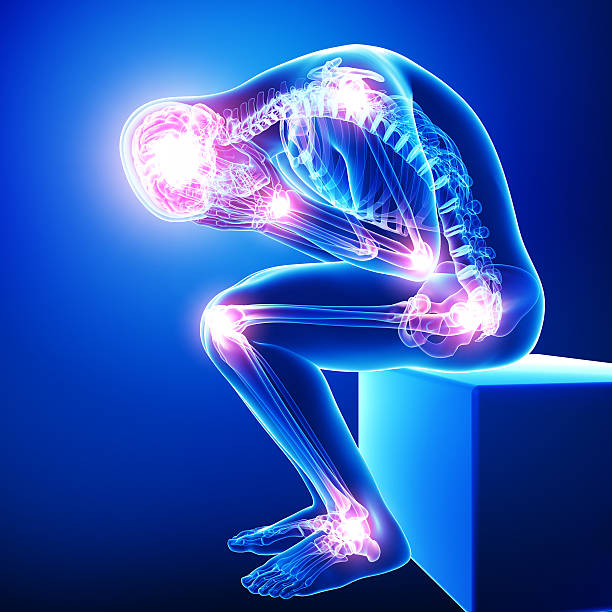

Cancer and Pain: What Patients Need to Know. Cancer and pain often become connected in a patient’s mind. But having cancer does not necessarily mean that you will have pain—and having pain does not necessarily mean that your cancer is progressing.
Cancer pain can come from the cancer itself, cancer treatment, diagnostic procedures, or an unrelated condition. It can also change over time. Some people experience short-term pain during treatment, while others develop persistent pain or treatment-related neuropathy that continues long after treatment ends.
The good news is that cancer pain can usually be managed.
Effective cancer pain management may involve conventional medical treatments, medications, radiation, physical and occupational therapies, palliative care, and complementary or integrative approaches.
At PeopleBeatingCancer, I believe cancer patients should understand all reasonable evidence-based options for managing pain—and understand the strength and limitations of the evidence behind those options.
I am a long-term survivor of an incurable blood cancer called multiple myeloma.
Though I have been in complete remission from my blood cancer since 1999, I have developed long-term side effects that cause joint, muscle, nerve, and bone pain. I spend as much time and money managing my therapy-induced pain as I do managing my health. I hope the post below helps you manage your own cancer pain.
Like most topics on PeopleBeatingCancer.org, I believe that patient education is the key to managing a problem.
Scroll down and post a question or comment if there is anything you’d like to know about cancer and pain.
Good luck,
David Emerson
Concepts Central to Managing Your Cancer
- Integrative Oncology: Combining Conventional and Natural Cancer Therapies
- Complementary Cancer Therapies: Evidence-Based
- Managing Cancer Treatment Side Effects: An Evidence-Based Guide to Prevention, Relief, and Recovery
- Cancer Financial Toxicity: Costs, Medical Debt, Insurance, Financial Assistance, and Survivorship
- 5 Popular Careers in Oncology: Jobs That Make a Difference in Cancer Care
Pain for Specific Types of Cancer
- Breast Cancer and Pain: What Patients and Survivors Need to Know
- Brain Cancer and Pain: What Patients and Survivors Need To Know
- Lung Cancer and Pain: What Patients and Survivors Need to Know
- Melanoma and Pain: What Patients and Survivors Need to Know
- Kidney Cancer and Pain: What Patients and Survivors Need to Know
What Is Cancer Pain?
Cancer pain is not one specific type of pain.
Pain can feel:
- Sharp
- Burning
- Aching
- Throbbing
- Shooting
- Stabbing
- Cramping
- Tingling
- Numb
- Tender
- Deep or pressure-like
Cancer pain can be temporary or persistent. It may be mild, moderate, or severe. It may remain in one location or occur in several areas of the body.
The National Cancer Institute explains that cancer pain can be caused by cancer, cancer treatment, diagnostic procedures, or a combination of factors.
The important point for patients is this:
Pain deserves to be evaluated rather than simply endured.
Does Cancer Always Cause Pain?
No.
Some cancers cause little or no pain, particularly during their early stages.
Other cancers or cancer complications can cause significant pain.
The World Health Organization estimates that pain occurs in approximately 55% of people receiving cancer treatment and about 66% of people with advanced, metastatic, or terminal disease.
Those numbers are important—but they should not lead patients to assume that pain automatically means cancer progression.
Pain can have many causes.
For example, a cancer survivor might experience pain because of:
- Surgery
- Radiation
- Chemotherapy
- Immunotherapy
- Targeted therapy
- Hormonal therapy
- Peripheral neuropathy
- Bone damage
- Arthritis
- Muscle or joint problems
- Scar tissue
- Inflammation
- Nerve injury
- An unrelated medical condition
This is one reason it is important to determine what is causing the pain before deciding how to treat it.
What Causes Cancer Pain?
There are several major categories.
1. Pain Caused by the Cancer
A tumor can cause pain by pressing on or invading:
- Nerves
- Bones
- Organs
- Muscles
- Blood vessels
- Other tissues
Cancer can also cause inflammation or obstruction that produces pain.
The location and characteristics of the pain often provide clues about its cause.
For example, cancer involving bone can cause persistent deep pain, while compression or damage involving nerves can produce burning, shooting, tingling, or electric-like pain.
2. Pain Caused by Cancer Treatment
Cancer treatment itself can cause pain.
Surgery
Postoperative pain is common after cancer surgery. In some patients, pain persists beyond the normal healing period.
Chemotherapy
Some chemotherapy drugs can damage peripheral nerves.
This is called chemotherapy-induced peripheral neuropathy (CIPN).
CIPN can cause:
- Burning
- Tingling
- Numbness
- Shooting pain
- Sensitivity to touch
- Problems with balance
- Difficulty walking
And importantly, chemotherapy-induced neuropathy can continue after chemotherapy ends.
For PBC readers, this connects directly with the site’s existing neuropathy content.
Radiation
Radiation can cause inflammation, skin reactions, tissue irritation, and other treatment-related pain depending on the body area treated.
Immunotherapy and Targeted Therapy
These treatments can produce inflammatory or autoimmune side effects that may cause pain involving muscles, joints, nerves, or other tissues.
Hormonal Therapy
Some hormone therapies, particularly aromatase inhibitors used in breast cancer, can cause joint and muscle pain.
This is an area where integrative oncology has produced particularly useful evidence.
Cancer Pain Is Not Always the Same as Cancer Progression
This deserves special emphasis.
New pain should be reported to your oncology team. But new pain does not automatically mean that cancer has returned, spread, or progressed.
A cancer survivor can develop pain from treatment-related nerve damage, arthritis, surgery, musculoskeletal problems, medication side effects, or many other causes.
At the same time, persistent or unexplained pain should not simply be dismissed as a treatment side effect.
The appropriate response is evaluation.
Your oncology team may consider:
- Where the pain occurs
- When it started
- Whether it is getting worse
- What makes it better or worse
- Whether it occurs at rest or with movement
- Whether it interferes with sleep
- Whether it interferes with daily activities
- Whether there are other symptoms
- Whether imaging or laboratory testing is appropriate
How Should Cancer Patients Describe Pain?
One of the simplest things a patient can do is become a better observer of their own pain.
Your doctor may ask:
Where does it hurt?
Point to the exact location.
What does it feel like?
Is it:
- Burning?
- Sharp?
- Aching?
- Shooting?
- Throbbing?
- Numb?
- Tingling?
When does it occur?
- Constantly?
- At night?
- During exercise?
- After eating?
- When standing?
- When lying down?
How severe is it?
Many clinicians use a 0–10 pain scale.
What makes it better?
- Medication?
- Heat?
- Cold?
- Movement?
- Rest?
- Massage?
- Changing position?
What makes it worse?
Does it interfere with sleep, eating, walking, working, exercising, or other activities?
The NCI specifically recommends communicating these details because identifying the type and cause of pain helps determine the most appropriate treatment.
Conventional Treatments for Cancer Pain
Cancer pain treatment should be individualized.
There is no single medication or therapy that works for every patient.
Acetaminophen and NSAIDs
For some mild pain, clinicians may recommend medications such as acetaminophen or nonsteroidal anti-inflammatory drugs (NSAIDs).
However, these medications are not appropriate for everyone.
Kidney disease, liver disease, gastrointestinal bleeding, cardiovascular disease, anticoagulant medications, and other factors can change the risk-benefit calculation.
Do not assume that an over-the-counter pain reliever is automatically safe because it is available without a prescription.
Prescription Pain Medications
Depending on the type and severity of pain, physicians may prescribe:
- Antidepressants
- Antiseizure medications
- Muscle relaxants
- Corticosteroids
- Other adjuvant medications
- Opioids
For moderate-to-severe cancer pain, opioids remain an important conventional treatment.
The WHO cancer-pain guideline specifically addresses analgesics, opioid selection and management, adjuvant medications, and treatment of pain associated with bone metastases.
Opioids can be extremely useful for appropriate patients, but they also require careful prescribing and monitoring.
Patients should discuss:
- Dose
- Timing
- Side effects
- Constipation
- Sedation
- Drug interactions
- Safe storage
- Safe disposal
- What to do if pain suddenly increases
with their healthcare team.
Radiation for Cancer Pain
Radiation is not only a treatment intended to destroy cancer cells.
It can sometimes be used specifically to relieve pain.
This is particularly important for painful bone metastases.
The WHO guideline specifically includes radiotherapy and bisphosphonates among approaches used to manage pain associated with bone metastases.
For some patients, radiation can reduce pain caused by a tumor affecting bone or other tissues.
This is an excellent example of why cancer patients should think beyond the simple question:
“What treatment kills the cancer?”
A better question can sometimes be:
“What treatment can improve my quality of life while treating the cancer or its complications?”
Palliative Care Is Cancer Pain Care
The word palliative sometimes frightens cancer patients.
It shouldn’t.
Palliative care is not synonymous with hospice.
Palliative care focuses on improving quality of life and relieving symptoms such as:
- Pain
- Shortness of breath
- Fatigue
- Nausea
- Anxiety
- Sleep problems
- Depression
- Other treatment-related symptoms
Palliative-care specialists can work alongside oncologists while cancer treatment continues.
For a patient struggling with persistent pain, asking for a palliative-care consultation can be an important part of comprehensive cancer care.
Non-Conventional and Integrative Approaches to Cancer Pain
This is where the evidence becomes particularly interesting.
At PeopleBeatingCancer, I use the term non-conventional to describe approaches that are not FDA-approved cancer treatments.
That does not mean that every non-conventional therapy works.
It also does not mean that every complementary therapy is safe.
Instead, the important question is:
What does the research actually show?
Integrative oncology attempts to combine appropriate conventional cancer care with complementary approaches that may help manage symptoms and improve quality of life.
A joint Society for Integrative Oncology (SIO) and American Society of Clinical Oncology (ASCO) guideline reviewed 227 studies when evaluating integrative approaches to cancer pain.
Acupuncture
Acupuncture has been studied for several types of cancer-related pain.
The SIO/ASCO guideline specifically recommends acupuncture for aromatase-inhibitor-related joint pain in breast cancer patients.
Acupuncture has also been studied for other cancer-related pain and treatment-related symptoms.
The evidence is not equally strong for every type of pain, however.
That distinction matters.
Evidence that acupuncture may help one type of cancer-related pain should not be interpreted as proof that acupuncture treats every type of cancer pain.
Massage
Massage therapy is another commonly used complementary approach.
For some cancer patients, massage may help with:
- Pain
- Muscle tension
- Stress
- Anxiety
- Relaxation
- Overall quality of life
Massage should be appropriately modified for people with bone metastases, thrombocytopenia, recent surgery, fragile tissue, or other conditions where pressure could cause harm.
Talk with your oncology team before beginning massage when you have significant cancer-related complications.
Mindfulness, Meditation and Mind-Body Therapies
Pain is not merely a physical sensation.
The experience of pain can be influenced by:
- Stress
- Anxiety
- Fear
- Depression
- Sleep
- Attention
- Previous experiences with pain
This does not mean that cancer pain is “all in your head.”
It means that the nervous system, brain, emotions and physical tissues interact.
Mindfulness, meditation, relaxation techniques, guided imagery, hypnosis, yoga and other mind-body approaches have therefore been studied as components of cancer pain management.
The evidence varies substantially by intervention and cancer population.
The NCI also identifies approaches such as acupuncture, mindfulness, hypnosis and guided imagery among practices that may be incorporated into an individualized pain-management plan.
What Does the Research Say About Integrative Cancer Pain Treatment?
The research base is growing.
A 2025 scoping review examined the literature on integrative management of cancer pain. Of 1,246 studies screened, 151 met inclusion criteria. The authors reported that 127 of those studies—84.1%—found that the integrative intervention reduced pain.
That is encouraging.
But it is important to interpret this finding correctly.
A scoping review is not the same thing as proof that every integrative treatment works.
The studies involved different:
- Cancer types
- Patient populations
- Interventions
- Pain conditions
- Study designs
- Outcome measures
The authors themselves concluded that additional rigorous research is needed.
This is an important principle for cancer patients:
Promising evidence is worth knowing about. Promising evidence is not the same thing as established evidence.
What About Cannabis and Cannabinoids?
Cannabis and cannabinoids deserve their own discussion because many cancer patients ask about them.
Patients may consider cannabinoids for:
- Pain
- Sleep
- Anxiety
- Appetite
- Nausea
- Treatment-related symptoms
But evidence for cancer pain is not uniform, and cannabinoids can cause adverse effects and interact with medications.
Patients should also distinguish between:
using cannabis/cannabinoids to manage symptoms
and
using cannabis as a treatment intended to kill cancer cells.
Those are very different claims.
Research into cannabinoids and cancer continues, but symptom management should not be confused with demonstrated anti-cancer efficacy.
What About Supplements and “Natural” Pain Remedies?
This is an area where cancer patients need to be particularly careful.
Natural products can have biological effects.
They can also:
- Interact with cancer medications
- Affect liver enzymes
- Increase bleeding risk
- Affect blood pressure
- Affect blood sugar
- Alter sedation
- Interact with anticoagulants
- Cause kidney or liver injury
Therefore:
Natural does not automatically mean safe.
Before taking a supplement for cancer pain, discuss it with your oncologist, pharmacist, or another qualified healthcare professional who understands your complete treatment plan.
Cancer Pain and Neuropathy
Neuropathy deserves special attention because it can become a long-term cancer-survivorship problem.
Chemotherapy-induced peripheral neuropathy can cause:
- Numbness
- Tingling
- Burning
- Shooting pain
- Sensitivity
- Weakness
- Balance problems
And neuropathy can persist after chemotherapy ends.
This is one area where the distinction between cancer pain and cancer-treatment pain becomes especially important.
A patient may be cancer-free but still experiencing treatment-related neuropathy.
That is why cancer pain management belongs within survivorship care as well as active cancer treatment.
Cancer Pain and Bone Health
Bone pain deserves its own cancer-specific discussion.
Several cancers can involve bone, including:
- Multiple myeloma
- Breast cancer
- Prostate cancer
- Lung cancer
- Kidney cancer
- Other cancers
Bone involvement can produce pain and increase the risk of fractures or other complications.
Multiple myeloma deserves particular attention because myeloma can directly affect bone health.
This is why cancer pain management and cancer bone health are closely connected topics.
Cancer Pain Does Not Have to Be “Part of Cancer”
One of the most damaging ideas a patient can accept is:
“I’m a cancer patient. Of course I’m going to hurt.”
Pain may be common, but that does not mean it should simply be tolerated.
The NCI states that pain control can improve quality of life and recommends that patients tell their healthcare team when they have new pain or when their current pain treatment is not working.
Patients should advocate for themselves.
If the first pain-management strategy doesn’t work, that does not mean nothing can be done.
It may mean that:
- The diagnosis needs to be reconsidered.
- The medication needs to change.
- The dose needs to change.
- Another medication needs to be added.
- Radiation may be appropriate.
- Physical therapy may help.
- An integrative therapy may be appropriate.
- A pain specialist should become involved.
- A palliative-care consultation could help.
When Should a Cancer Patient Report Pain?
Talk with your healthcare team about:
- New pain
- Pain that is getting worse
- Pain that does not respond to treatment
- Pain that interferes with sleep
- Pain that interferes with walking or other activities
- New bone pain
- New neurological symptoms
- Persistent neuropathy
- Pain accompanied by weakness or numbness
- Pain following a procedure
- Significant medication side effects
Some symptoms require more urgent medical evaluation.
For example, new severe weakness, loss of bladder or bowel control, severe shortness of breath, chest pain, sudden neurological changes, or other potentially serious symptoms should be evaluated urgently rather than managed at home.
Your cancer team should tell you which symptoms require immediate attention based on your particular cancer and treatment.
How I Think Cancer Patients Should Approach Pain
I believe patients should think about cancer pain in layers.
Layer 1: Find the cause.
Is the pain caused by:
- Cancer?
- Treatment?
- Neuropathy?
- Bone disease?
- Surgery?
- Inflammation?
- Something unrelated to cancer?
Layer 2: Treat the cause when possible.
If a tumor is causing pain, treating the tumor may help.
If bone metastases are causing pain, radiation or bone-directed treatment may help.
If chemotherapy is causing neuropathy, treatment may need to be adjusted and neuropathy specifically treated.
Layer 3: Treat the pain itself.
Medications, physical therapy, radiation, nerve-directed medications, procedures and other conventional approaches may be appropriate.
Layer 4: Add complementary approaches when appropriate.
Acupuncture, massage, mindfulness, hypnosis, guided imagery, exercise, yoga, and other approaches may provide additional symptom relief for selected patients.
Layer 5: Reassess.
- Cancer pain changes.
- Treatment changes.
- The patient’s health changes.
Therefore, the pain-management plan may need to change too.
Cancer-Specific Pain Guides at PeopleBeatingCancer
Cancer pain is not identical from one cancer to another.
That is why PeopleBeatingCancer will be developing cancer-specific guides to help patients understand the causes and treatment of pain associated with different cancers.
Future guides will include topics such as:
- Multiple Myeloma and Pain: What Patients Need to Know
- Breast Cancer and Pain: What Patients Need to Know
- Prostate Cancer and Pain: What Patients Need to Know
- Lung Cancer and Pain: What Patients Need to Know
- Colon Cancer and Pain: What Patients Need to Know
- Melanoma and Pain: What Patients Need to Know
- Other Cancer-Specific Pain Guides
These pages will connect cancer-specific pain with the larger PeopleBeatingCancer library of articles about chemotherapy, radiation, neuropathy, bone health, side effects, integrative oncology, and complementary therapies.
Questions to Ask Your Oncologist About Cancer Pain
- What do you think is causing my pain?
- Could the pain be caused by my cancer or by my treatment?
- Do I need imaging or other testing?
- What are my conventional treatment options?
- Could radiation help my pain?
- Could physical therapy help?
- Would a pain specialist be appropriate?
- Would palliative care help me manage this?
- Are there complementary therapies that are appropriate for me?
- Could any supplements or natural products interfere with my cancer treatment?
- What symptoms should cause me to call you immediately?
PeopleBeatingCancer Evidence Rating
Because PeopleBeatingCancer discusses both conventional and non-conventional therapies, patients deserve to know how strong the evidence is.
| Approach | Evidence for cancer pain | What patients should know |
|---|---|---|
| Prescription analgesics | Strong | Established part of cancer-pain management |
| Opioids for moderate/severe cancer pain | Strong | Effective but require individualized prescribing and monitoring |
| Radiation for painful bone metastases | Strong | Established option for appropriately selected patients |
| Bone-directed therapies | Strong | Important for selected patients with cancer-related bone disease |
| Acupuncture | Moderate / condition-specific | Particularly supported for aromatase-inhibitor-related joint pain |
| Massage | Moderate / condition-specific | May help pain and related symptoms; requires appropriate precautions |
| Mindfulness / mind-body therapies | Promising | May help pain-related distress and symptom burden; evidence varies |
| Hypnosis / guided imagery | Promising | May help selected patients, particularly around procedures and symptom management |
| Cannabis / cannabinoids | Mixed / evolving | Symptom-management evidence is still developing; drug interactions matter |
| Supplements / botanicals | Variable | Evidence and safety differ dramatically by product |
| “Natural cancer cures” | Insufficient evidence | Should not replace effective cancer treatment |
Evidence interpretation: A rating of “promising” or “moderate” does not mean that a therapy will work for every patient. Evidence can differ by cancer type, pain type, treatment, dose, and study quality. Conventional therapies with established efficacy should not be abandoned in favor of unproven alternatives.
The Bottom Line
Cancer and pain do not have to be synonymous.
Cancer can cause pain. Cancer treatment can cause pain. Cancer-related neuropathy and bone disease can cause pain. And sometimes pain has nothing to do with the cancer at all.
The first step is to determine the cause.
The second step is to create an individualized treatment plan.
That plan may include conventional cancer treatment, pain medication, radiation, physical therapy, palliative care, and other medical interventions.
It may also include evidence-based complementary and integrative therapies.
The goal isn’t to choose between conventional medicine and complementary medicine.
The goal is to find the safest and most effective combination of therapies that helps an individual cancer patient live as well as possible.
And perhaps the most important message is this:
Cancer patients do not have to simply “live with” pain. Pain deserves to be evaluated, treated and reassessed.
Research and References
National Cancer Institute — Pain and Cancer
NCI: Pain and Cancer
National Cancer Institute — Cancer Pain (PDQ®)
NCI: Cancer Pain PDQ
World Health Organization — Guidelines for the Pharmacological and Radiotherapeutic Management of Cancer Pain
WHO Cancer Pain Guidelines
Society for Integrative Oncology / ASCO — Integrative Medicine for Pain Management in Oncology
PubMed: SIO-ASCO Cancer Pain Guideline
Bell et al., 2025 — Integrative Management of Cancer Pain: A Scoping Review
PubMed: Integrative Management of Cancer Pain
The PeopleBeatingCancer Internal Links Below Will continue to illustrate Cancer and Pain
Managing Chronic Non-Cancer Pain in Cancer Survivors
Complementary Therapies for Pain
Neuropathy
Back Pain
Bone health
Integrative/complementary therapies
Exercise and Pain
Diet and Pain
Cancer and Pain Need to Know Cancer and Pain Need to Know Cancer and Pain Need to Know Cancer and Pain Need to Know Cancer and Pain Need to Know