

Our Mission
PeopleBeatingCancer supports an evidence-based integrative approach to cancer care. For most newly diagnosed patients, FDA-approved therapies form the foundation of treatment, while evidence-based complementary therapies may help reduce side effects and improve survivorship.
Click the orange button to the right to learn more.
- You are here:
- Home »
- Blog »
- prostate cancer »
- Chemotherapy for Prostate Cancer: What Patients Need to Know
Chemotherapy for Prostate Cancer: What Patients Need to Know
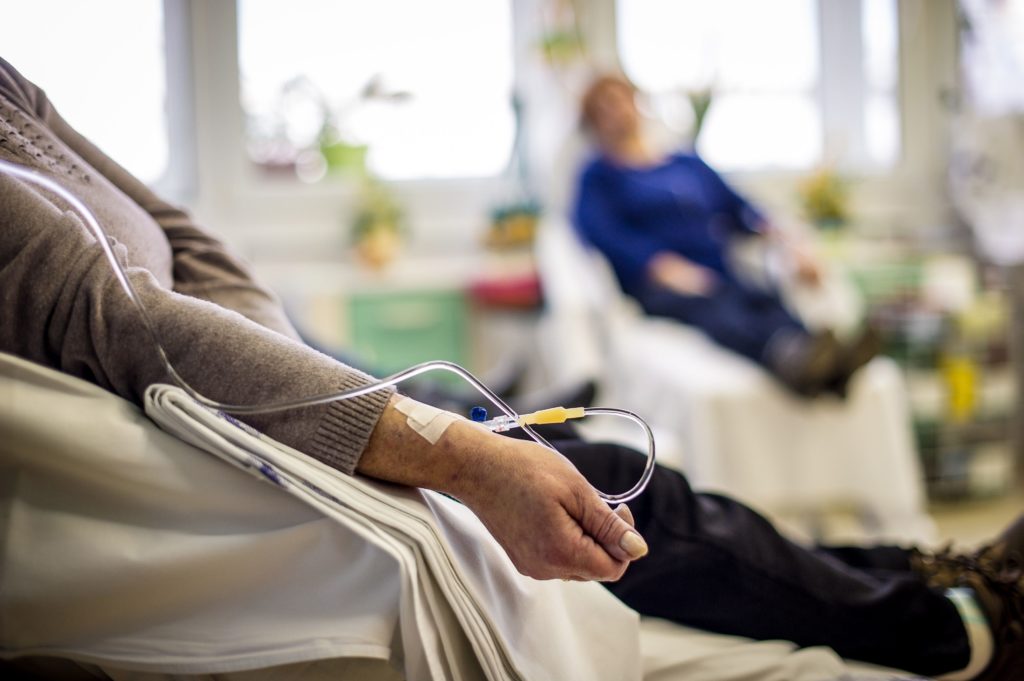

Chemotherapy for Prostate Cancer: What Patients Need to Know. Chemotherapy is not the first treatment most men think of when they hear “prostate cancer.”
That is understandable.
Many men with localized prostate cancer are treated with active surveillance, surgery, radiation therapy, hormone therapy, or combinations of these approaches. Chemotherapy is generally reserved for more aggressive prostate cancer, has spread beyond the prostate, or cancer that has stopped responding adequately to hormone therapy.
But chemotherapy has an important role in treating advanced prostate cancer.
The most commonly used chemotherapy drugs are docetaxel (Taxotere) and, in certain situations, cabazitaxel (Jevtana).
The important question is not simply:
“Do I need chemotherapy?”
It is:
“What is the goal of chemotherapy in my prostate cancer, what benefit can I realistically expect, and what will the treatment cost me in terms of side effects and quality of life?”
This article explains what prostate cancer patients should know before starting chemotherapy.
I am a long-term survivor of an incurable blood cancer called multiple myeloma. My research and experience with evidence-based non-conventional therapies are the reason why I have lived in complete remission from my incurable blood cancer since achieving complete remission in early 1999. I have learned that the best way to manage cancer is to combine the best of conventional and evidence-based non-conventional therapies.
I have come to believe that therapy-induced side effects can be life-threatening while ruining quality of life. Consider therapies shown to reduce possible side effects.
Scroll down the page and post a question or a comment if there’s anything you’d like to know about chemotherapy for prostate cancer.
Good luck,
David Emerson
Concepts Central to Managing Your Cancer
- Integrative Oncology: Combining Conventional and Natural Cancer Therapies
- Complementary Cancer Therapies: Evidence-based
- Managing Cancer Treatment Side Effects: An Evidence-Based Guide to Prevention, Relief, and Recovery
- Cancer Financial Toxicity: Costs, Medical Debt, Insurance, Financial Assistance, and Survivorship
Prostate Cancer Need to Know
- Radiation for Cancer: What Patients Need to Know
- Prostate Cancer Surgery: What Patients Need to Know
- Chemotherapy for Cancer: What Patients Need to Know Before, During, and After Treatment
- Immunotherapy for Cancer: What Patients Need to Know Before, During, and After Treatment
- Prostate Cancer and Pain: What Patients and Survivors Need to Know
What Is Chemotherapy for Prostate Cancer?
Chemotherapy uses drugs that interfere with the ability of cancer cells to grow and divide.
Unlike surgery or radiation, which primarily treat a specific location, chemotherapy is a systemic treatment. The drugs circulate throughout the body and can reach prostate cancer cells that have spread to lymph nodes, bones, or other organs.
For prostate cancer, chemotherapy is most commonly used for metastatic disease.
The treatment approach depends heavily on whether the cancer is still sensitive to testosterone-lowering treatment.
This creates two important categories:
- Metastatic hormone-sensitive prostate cancer (mHSPC)
- Metastatic castration-resistant prostate cancer (mCRPC)
Understanding the difference is essential.
When Is Chemotherapy Used for Prostate Cancer?
Chemotherapy may be considered when prostate cancer:
- Has spread to distant parts of the body
- Is metastatic at the time of diagnosis
- Is considered high-volume or otherwise aggressive metastatic disease
- Has progressed despite androgen-deprivation therapy (ADT)
- Has become castration-resistant
- Has progressed after other systemic treatments
Chemotherapy is not routinely used for most men with localized, low-risk prostate cancer.
The National Cancer Institute describes chemotherapy as one of several systemic treatments used for advanced or recurrent prostate cancer.
That distinction is important because chemotherapy is powerful—and can cause significant toxicity.
Chemotherapy for Metastatic Hormone-Sensitive Prostate Cancer
One of the most important changes in prostate cancer treatment has been the recognition that docetaxel can improve survival when added early to hormone therapy in appropriate men with metastatic hormone-sensitive prostate cancer.
Historically, many men with metastatic prostate cancer received androgen-deprivation therapy alone.
That approach has changed.
Clinical trials demonstrated that adding docetaxel to ADT can improve survival, particularly in men with more extensive metastatic disease.
A long-term analysis of the CHAARTED trial found that 10-year overall survival was 25.9% with ADT plus docetaxel compared with 22.5% with ADT alone. The benefit was particularly pronounced among men with high-volume metastatic disease.
An individual-participant-data meta-analysis of randomized trials found that adding docetaxel to standard treatment reduced the risk of death by approximately 21% and produced an approximately 9–11% absolute improvement in five-year outcomes.
What does this mean for patients?
Docetaxel is not necessarily something to “save for later.”
For some men with newly diagnosed metastatic prostate cancer, early chemotherapy may provide an important survival advantage.
But the decision depends on:
- Amount of metastatic disease
- Location of metastases
- Overall health
- Age
- Performance status
- Other medical conditions
- Symptoms
- Patient preferences
- Other systemic therapies being considered
Chemotherapy May Be Combined With Hormone Therapy
One of the most important things to understand about prostate cancer chemotherapy is that docetaxel is often not used by itself.
It may be combined with androgen-deprivation therapy.
ADT suppresses testosterone signaling.
Docetaxel attacks rapidly dividing cancer cells through a different mechanism.
This combination can therefore attack prostate cancer from more than one direction.
More recently, treatment has evolved beyond ADT plus docetaxel alone.
For selected men with metastatic hormone-sensitive prostate cancer, doctors may consider triplet therapy consisting of:
ADT + docetaxel + an androgen-receptor pathway drug
Examples include combinations involving:
- Abiraterone
- Darolutamide
The PEACE-1 trial found that adding abiraterone plus prednisone to ADT and docetaxel improved both radiographic progression-free survival and overall survival in men with newly diagnosed metastatic hormone-sensitive prostate cancer.
A systematic review and network meta-analysis similarly found substantial survival benefits associated with certain triplet regimens, particularly in men with high-volume metastatic disease.
This does not mean every man with metastatic prostate cancer should receive triplet therapy.
The potential benefit must be balanced against additional toxicity, other health conditions, treatment goals, and quality of life.
What Is Docetaxel?
Docetaxel (Taxotere) is a taxane chemotherapy drug.
It interferes with microtubules, structures that cancer cells need when they divide.
Docetaxel has become an important chemotherapy drug for advanced prostate cancer.
Depending on the treatment setting, docetaxel may be administered intravenously approximately once every three weeks for a limited number of cycles.
The exact dose and number of treatments depend on the treatment plan.
Your oncologist may also prescribe medications before or after treatment to reduce certain side effects.
What Is Cabazitaxel?
Cabazitaxel (Jevtana) is another taxane chemotherapy drug.
It is particularly important for men whose metastatic castration-resistant prostate cancer has progressed after treatment that included docetaxel.
Cabazitaxel is FDA-approved, in combination with prednisone, for metastatic castration-resistant prostate cancer previously treated with a docetaxel-containing chemotherapy regimen.
In other words:
Docetaxel and cabazitaxel are not interchangeable.
The sequence of previous treatments matters.
Your oncologist may consider cabazitaxel when prostate cancer progresses after docetaxel and other treatments.
What Does “Castration-Resistant” Mean?
The term can be confusing.
Castration-resistant prostate cancer does not mean that testosterone has returned to normal.
It generally means that prostate cancer is continuing to grow despite testosterone levels being suppressed to the castrate range.
Evidence of progression may include:
- Rising PSA
- New tumors
- Enlarging existing tumors
- New bone metastases
- Worsening symptoms
This is why PSA monitoring and imaging are important components of advanced prostate cancer management.
The NCI lists docetaxel as a common chemotherapy treatment for metastatic castration-resistant prostate cancer and cabazitaxel as another chemotherapy option after prior docetaxel.
What Are the Common Side Effects of Prostate Cancer Chemotherapy?
Chemotherapy affects cancer cells but can also damage healthy cells that divide relatively quickly.
As a result, side effects can include:
Fatigue
Fatigue is one of the most common chemotherapy side effects.
It may result from:
- The chemotherapy itself
- Anemia
- Poor sleep
- Reduced physical activity
- Pain
- Infection
- Hormone therapy
- Emotional stress
Fatigue can sometimes persist after treatment ends.
Hair Loss
Docetaxel commonly causes hair loss or hair thinning.
Hair usually begins growing back after chemotherapy is completed, although recovery varies.
Low Blood Counts
Chemotherapy can suppress the bone marrow.
This can result in:
- Neutropenia
- Anemia
- Thrombocytopenia
Neutropenia
A low neutrophil count can increase the risk of infection.
Fever during chemotherapy can be an emergency.
Patients should know exactly what temperature their oncology team considers an emergency and whom to call after hours.
Peripheral Neuropathy
Taxane chemotherapy—including docetaxel and cabazitaxel—can cause chemotherapy-induced peripheral neuropathy (CIPN).
Symptoms can include:
- Numbness
- Tingling
- Burning
- Pain
- Sensitivity to temperature
- Difficulty walking
- Balance problems
- Weakness
For some patients, neuropathy improves after chemotherapy.
For others, symptoms can persist for months or longer.
This is an important discussion to have before chemotherapy begins, particularly if you already have neuropathy.
Nausea and Vomiting
Modern anti-nausea medications have made chemotherapy-induced nausea much more manageable.
Nevertheless, patients should tell their oncology team if nausea is interfering with:
- Eating
- Drinking
- Sleeping
- Taking medications
- Maintaining body weight
Dehydration and inadequate nutrition can make treatment much more difficult.
Taste Changes and Loss of Appetite
Chemotherapy can change taste and smell.
Some patients experience:
- Metallic taste
- Food aversions
- Reduced appetite
- Early fullness
Maintaining adequate protein and calories becomes especially important if weight loss is occurring.
Diarrhea or Constipation
Changes in bowel function can occur during chemotherapy.
Constipation may also be caused by anti-nausea medications or opioid pain medications.
Report persistent diarrhea or constipation to your oncology team rather than simply trying to manage severe symptoms yourself.
Chemotherapy Can Affect Quality of Life
One of the most important questions to ask is not simply:
“Will chemotherapy shrink my cancer?”
Ask:
“How will chemotherapy affect the way I live?”
Clinical trials evaluate survival and disease progression.
Patients live the side effects.
The decision to use chemotherapy should therefore consider:
- Expected survival benefit
- Probability of response
- Symptoms
- Physical function
- Existing neuropathy
- Heart and cardiovascular health
- Kidney and liver function
- Other medications
- Caregiver support
- Personal priorities
A treatment that produces a statistical survival benefit may not have the same value for every individual patient.
That is why shared decision-making matters.
Can Chemotherapy Cure Metastatic Prostate Cancer?
Usually, chemotherapy for metastatic prostate cancer is not considered curative by itself.
The goal is generally to:
- Slow cancer growth
- Reduce tumor burden
- Relieve symptoms
- Delay progression
- Extend survival
- Preserve quality of life
That distinction is important.
A man with metastatic prostate cancer may undergo several different treatments over time.
Treatment may evolve as the cancer changes.
What Happens If Docetaxel Stops Working?
Progression after docetaxel does not mean that treatment options are exhausted.
Depending on the individual’s disease and previous treatments, options may include:
- Cabazitaxel
- Androgen-receptor pathway inhibitors
- PARP inhibitors for selected genetic mutations
- Radiopharmaceutical therapies
- Immunotherapy in selected situations
- Clinical trials
- Radiation for symptomatic metastases
- Bone-directed treatments
The molecular characteristics of the tumor can become increasingly important as prostate cancer becomes more advanced.
Ask whether genomic or molecular testing is appropriate.
Prostate Cancer Chemotherapy and Bone Metastases
Bone is one of the most common places for metastatic prostate cancer to spread.
Bone metastases can cause:
- Pain
- Fractures
- Spinal cord compression
- Hypercalcemia
- Reduced mobility
Chemotherapy may help control the underlying cancer, but additional treatments may be necessary to protect bones and manage symptoms.
Depending on the situation, treatment may include:
- Radiation therapy
- Bone-targeted medications
- Radiopharmaceuticals
- Pain management
- Physical therapy
- Exercise and rehabilitation
Sudden severe back pain, leg weakness, numbness, or loss of bladder/bowel control can represent spinal cord compression and requires urgent medical evaluation.
Talk to your oncologist about therapies that might manage your bone metastasis
What Should You Do Before Starting Chemotherapy?
Preparation matters.
Ask your oncology team about:
1. Baseline blood tests
You may need measurements of:
- Blood counts
- Kidney function
- Liver function
- Electrolytes
2. Existing neuropathy
Tell your oncologist if you already experience numbness, tingling, or balance problems.
3. Dental health
Depending on your overall treatment plan, dental evaluation may be appropriate, particularly if bone-targeted medications are being considered.
4. Medications and supplements
Give your oncology team a complete list.
That includes:
- Prescription medications
- Over-the-counter medications
- Vitamins
- Herbs
- Supplements
- Cannabis products
“Natural” does not automatically mean safe during chemotherapy.
Some supplements can affect drug metabolism, bleeding risk or other aspects of cancer treatment.
5. Exercise
Maintaining physical activity within your ability can help preserve muscle mass and physical function.
Ask whether a cancer exercise or physical-therapy program is appropriate.
6. Prehabilitate-
What Should You Eat During Chemotherapy?
There is no single “prostate cancer chemotherapy diet.”
The priority is usually:
Adequate calories + adequate protein + hydration + nutrient-dense foods.
Depending on appetite and symptoms, consider emphasizing:
- Vegetables
- Fruits
- Beans and lentils
- Whole grains
- Nuts and seeds
- Fish
- Eggs
- Poultry
- Other protein-rich foods
- Healthy fats
- Adequate fluids
If weight loss is occurring, maintaining calories and protein may be more important than following a restrictive diet.
A registered oncology dietitian can be extremely helpful.
Can Supplements Protect Against Chemotherapy Side Effects?
This is an area where caution is warranted.
Patients understandably want to do everything possible to protect healthy cells.
But a supplement that affects oxidative stress, drug metabolism, blood clotting, or immune function could potentially interfere with cancer treatment.
That does not mean every supplement is dangerous.
It means that supplements should be evaluated individually.
Talk to your oncologist about possible nutritional supplementation for cancer patients
Exercise During Prostate Cancer Chemotherapy
Exercise is increasingly recognized as an important part of cancer care.
Depending on your health and treatment status, exercise may help:
- Preserve muscle
- Reduce fatigue
- Maintain physical function
- Improve balance
- Support cardiovascular health
- Improve quality of life
A personalized exercise program is especially important for men receiving both chemotherapy and long-term ADT because both treatments can contribute to changes in muscle, body composition and physical function.
Start with what you can safely tolerate rather than trying to reproduce your pre-cancer exercise routine.
Questions to Ask Before Starting Chemotherapy
Take this list to your oncology appointment.
- Why are you recommending chemotherapy?
- Is my prostate cancer hormone-sensitive or castration-resistant?
- Has my cancer metastasized?
- Where has it spread?
- Is my metastatic disease considered high-volume or low-volume?
- What is the goal of chemotherapy?
- How much survival benefit can I realistically expect?
- Why docetaxel?
- How many cycles do you recommend?
- What happens if docetaxel doesn’t work?
- Would triplet therapy be appropriate for me?
- What are my alternatives to chemotherapy?
- What are my most likely side effects?
- What is my risk of neuropathy?
- What happens if I already have neuropathy?
- How will you monitor my blood counts?
- What should I do if I develop a fever?
- Will chemotherapy interact with my other medications?
- Should I have genetic or genomic testing?
- What clinical trials are available?
- How will we know if chemotherapy is working?
- How frequently will my PSA be checked?
- When will imaging be repeated?
- What happens after chemotherapy?
- How will treatment affect my quality of life?
PeopleBeatingCancer Evidence Rating: Chemotherapy for Prostate Cancer
| Treatment/Strategy | Evidence Rating | What the Evidence Supports |
|---|---|---|
| Docetaxel + ADT for selected metastatic hormone-sensitive prostate cancer | 🟢 Strong | Improved survival in appropriate patients |
| Docetaxel + ADT + additional hormone therapy in selected metastatic disease | 🟢 Strong | Improved outcomes in appropriate patients |
| Docetaxel for metastatic castration-resistant prostate cancer | 🟢 Strong | Established systemic treatment |
| Cabazitaxel after docetaxel in mCRPC | 🟢 Strong | Established treatment option |
| Exercise during cancer treatment | 🟢/🟡 Strong/Moderate | Physical function, fatigue and quality-of-life benefits |
| Nutritionally adequate diet | 🟢 Strong for general health | Supports nutritional status and treatment tolerance |
| Supplements to prevent chemotherapy toxicity | 🟠 Preliminary | Evidence varies substantially by supplement |
| Supplements as a replacement for chemotherapy | 🔴 Not supported | No comparable evidence of cancer-control benefit |
How PeopleBeatingCancer Interprets These Ratings
🟢 Strong evidence: Supported by high-quality clinical evidence and/or established cancer-care guidelines.
🟡 Moderate evidence: Meaningful human evidence exists, but important uncertainties remain.
🟠 Preliminary evidence: Promising laboratory, observational or early clinical evidence, but insufficient to establish clinical benefit.
🔴 Not supported: Evidence is inadequate to recommend the approach as a cancer treatment.
Chemotherapy Is Only One Part of Advanced Prostate Cancer Treatment
One of the biggest changes in prostate cancer treatment is that chemotherapy is no longer viewed in isolation.
Depending on the stage and biology of the cancer, treatment may involve combinations of:
- Androgen-deprivation therapy
- Androgen-receptor pathway inhibitors
- Chemotherapy
- Radiation therapy
- Surgery in selected circumstances
- Radiopharmaceuticals
- PARP inhibitors
- Immunotherapy in selected situations
- Bone-directed therapy
- Clinical trials
The goal is to match the treatment to the biology of the cancer rather than automatically choosing the most aggressive treatment available.
The Bottom Line
Chemotherapy can be an important and sometimes life-extending treatment for men with advanced prostate cancer.
But chemotherapy is not appropriate for every prostate cancer patient.
For men with metastatic hormone-sensitive prostate cancer, early docetaxel combined with androgen-deprivation therapy can improve survival, particularly in patients with extensive metastatic disease. More recent evidence supports adding another hormone-directed therapy to chemotherapy and ADT for selected patients.
For men with metastatic castration-resistant prostate cancer, docetaxel and, after prior docetaxel, cabazitaxel are established chemotherapy options.
The most important questions are therefore not simply:
“Will chemotherapy work?”
They are:
Why am I receiving chemotherapy?
What benefit can I realistically expect?
What are my alternatives?
How will treatment affect my quality of life?
What happens after chemotherapy?
Understanding those questions can help you become an active participant in your prostate cancer treatment rather than simply accepting the next treatment offered.
Research References
National Cancer Institute
NCI: Prostate Cancer Treatment (PDQ)
NCI Prostate Cancer Treatment (PDQ)
NCI: Hormone Therapy for Prostate Cancer
NCI Hormone Therapy for Prostate Cancer
Docetaxel and Metastatic Hormone-Sensitive Prostate Cancer
CHAARTED long-term follow-up — 10-year survival
PubMed: CHAARTED 10-year survival analysis
Individual-participant meta-analysis of docetaxel in metastatic hormone-sensitive prostate cancer
PubMed: Docetaxel in metastatic hormone-sensitive prostate cancer
Docetaxel + Hormone Therapy + Additional Hormonal Treatment
PEACE-1: Abiraterone + prednisone added to ADT and docetaxel
PubMed: PEACE-1 trial
Cabazitaxel
NCI: Cabazitaxel (Jevtana)
NCI Cabazitaxel
Additional Information about prostate cancer
- Prostate Cancer—Need to Know
https://peoplebeatingcancer.org/prostate-cancer-need-to-know/ - Prostate Cancer and Androgen Deprivation Therapy
https://peoplebeatingcancer.org/prostate-cancer-and-androgen-deprivation-therapy/ - Prostate Cancer Surgery: What Patients Need to Know
https://peoplebeatingcancer.org/prostate-cancer-surgery-what-patients-need-to-know/ - Radiation for Cancer: What Patients Need to Know
https://peoplebeatingcancer.org/radiation-for-cancer-what-patients-need-to-know/ - Chemotherapy for Cancer: What Patients Need to Know Before, During and After Treatment
https://peoplebeatingcancer.org/chemotherapy-for-cancer-what-patients-need-to-know-before-during-and-after-treatment/