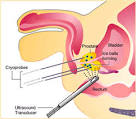
Prostate Cancer: Screening, Diagnosis, Active Surveillance & Exercise — What Men Need to Know. A prostate cancer diagnosis does not automatically mean that a man needs surgery, radiation, or hormone therapy. Some prostate cancers grow so slowly that they may never threaten a man’s life. Others are aggressive and require prompt treatment.
The challenge is determining which type of prostate cancer a patient has—and choosing a treatment strategy that protects both survival and quality of life.
What patients need to know:
- PSA screening can detect prostate cancer early, but it can also lead to overdiagnosis and unnecessary treatment.
- Gleason scores, Grade Groups, prostate MRI, and biopsy results help determine how aggressive a cancer may be.
- Active surveillance is an established management option for many men with low-risk prostate cancer.
- Surgery and radiation can control localized prostate cancer but may cause urinary, sexual, and bowel side effects.
- Exercise, nutrition, and other evidence-based complementary therapies can support health before, during, and after treatment.
Treatment decisions should reflect cancer risk, overall health, life expectancy, and personal priorities. The goal is not simply to treat prostate cancer. It is to treat the right cancer, at the right time, with the least unnecessary harm.
I am a long-term survivor of an incurable blood cancer called multiple myeloma. My research and experience with evidence-based non-conventional therapies are the reason why I have lived in complete remission from my incurable blood cancer since achieving complete remission in early 1999. I have learned that the best way to manage cancer is to combine the best of conventional and evidence-based non-conventional therapies.
Scroll down the page and post a question or a comment if there’s anything you’d like to know about prostate cancer.
Good luck,
David Emerson
Concepts Central to Managing Your Cancer-
Possible Conventional Therapies
1. Should You Get Screened for Prostate Cancer?
Prostate-specific antigen (PSA) screening remains one of the most debated subjects in cancer prevention. A PSA test measures a protein produced by prostate cells. Elevated PSA can be associated with prostate cancer, but it can also result from benign prostate enlargement, inflammation, infection, and other causes. A high PSA does not automatically mean cancer. Likewise, a low PSA does not completely exclude cancer.
Who should consider PSA screening?
Screening decisions should be individualized. The American Urological Association recommends that clinicians offer baseline PSA testing to men ages 45–50 and earlier screening, generally ages 40–45, for men at increased risk.
Risk factors include:
- Black ancestry
- Strong family history of prostate cancer
- Certain inherited genetic mutations, including BRCA2
- Family history of related hereditary cancers
For men ages 50–69, regular screening may be appropriate after discussing benefits and potential harms. For older men, decisions should increasingly reflect life expectancy, prior PSA results, and whether detecting cancer would meaningfully improve health outcomes. The 2026 AUA early-detection guideline reinforces individualized decisions about screening, imaging, biomarkers, and biopsy.
Research: 2026 AUA/SUO Early Detection Guideline — PubMed
Does PSA at age 60 predict future prostate cancer risk?
An important long-term study found that PSA levels at age 60 were associated with future risk of advanced prostate cancer and prostate cancer death. Men with very low PSA levels at that age had a particularly low subsequent risk.
This research helped establish the idea of risk-adapted screening—screening men according to their individual risk rather than automatically using the same schedule for everyone. However, a single PSA value should not be used as the sole reason to discontinue screening. Family history, inherited risk, health status, and patient preferences still matter.
2. What Happens After an Abnormal PSA Test?
An elevated PSA should lead to further evaluation—not an automatic assumption that a biopsy or cancer treatment is necessary. Depending on the circumstances, a urologist may recommend:
- Repeating the PSA test to confirm the result.
- Reviewing urinary symptoms, medications, and possible causes of PSA elevation.
- Assessing PSA trends, prostate size, and PSA density.
- Considering additional blood or urine biomarkers.
- Obtaining multiparametric prostate MRI.
- Performing a biopsy if the estimated risk justifies it.
Why prostate MRI matters
Multiparametric MRI can identify suspicious areas within the prostate and help guide targeted biopsies. It may improve detection of clinically significant prostate cancer while helping some patients avoid unnecessary biopsies. MRI is not perfect, however. A negative MRI does not completely rule out significant cancer. The 2026 AUA update strengthened the evidence supporting MRI before an initial prostate biopsy.
Research: 2026 AUA/SUO Early Detection Guideline
Transperineal versus transrectal biopsy
A prostate biopsy can be performed through the perineum—the skin between the scrotum and anus—or through the rectum. Both approaches can diagnose prostate cancer. Transperineal biopsy generally carries a lower risk of infection because the needle does not pass through the rectal wall. Other considerations include anesthesia, access, cost, and physician experience. Patients should discuss the available approaches with their urologist.
3. Understanding Your Gleason Score and Grade Group
One of the most important questions after a prostate cancer diagnosis is:
How aggressive does my cancer appear to be?
Pathologists examine prostate biopsy tissue and assign a Gleason score and Grade Group.
| Gleason score |
Grade Group |
General interpretation |
| 3+3=6 |
1 |
Lowest-grade category ordinarily diagnosed on biopsy |
| 3+4=7 |
2 |
Intermediate grade, predominantly pattern 3 |
| 4+3=7 |
3 |
Intermediate grade, predominantly pattern 4 |
| 8 |
4 |
High-grade cancer |
| 9–10 |
5 |
Highest-grade cancer |
A Gleason 3+4=7 cancer generally has a more favorable prognosis than a Gleason 4+3=7 cancer. That difference matters. But Gleason score is only part of the diagnosis.
A complete assessment may also include:
- PSA level and PSA density
- Clinical stage
- MRI findings
- Number and percentage of positive biopsy cores
- Presence of adverse pathological features
- Family history and genetic risk
- Overall health and life expectancy
Selected patients may also benefit from genomic testing when the results could change treatment decisions.
Does Gleason 6 prostate cancer require immediate treatment?
Not necessarily. A man with localized Gleason 3+3=6, Grade Group 1 prostate cancer may be an excellent candidate for active surveillance. However, a diagnosis of Grade Group 1 does not guarantee that every area of the prostate has been adequately sampled. Confirmatory imaging and follow-up testing remain important.
The key is to distinguish low-risk disease from cancer that could threaten health if treatment is delayed.
4. Active Surveillance: Monitoring Prostate Cancer Before Treatment
Active surveillance is one of the most important advances in prostate cancer management. Instead of treating every diagnosed case immediately, physicians carefully monitor selected patients and start treatment if the cancer shows concerning changes. Active surveillance may allow men to avoid or postpone treatment-related side effects for years. For some patients, definitive treatment may never become necessary.
Active surveillance versus watchful waiting
These approaches are not interchangeable.
- Active surveillance is intended for patients whose cancer can be monitored closely and treated with curative intent if progression occurs.
- Watchful waiting generally involves less intensive monitoring and focuses on symptom management rather than attempting cure, often when life expectancy is limited or other health conditions make definitive treatment less beneficial.
What does active surveillance involve?
A typical program may include:
- PSA testing approximately every six months
- Periodic clinical assessment
- Repeat prostate MRI when indicated
- Confirmatory or repeat biopsies according to risk and surveillance findings
- Reassessment when PSA, imaging, or pathology becomes concerning
The exact schedule varies according to individual risk and clinical guidelines. A rising PSA alone does not necessarily mean that treatment must begin. It should prompt appropriate reassessment.
What does long-term research show?
The landmark ProtecT trial followed 1,643 men with localized prostate cancer who were assigned to active monitoring, prostatectomy, or radiotherapy. After a median of 15 years, prostate cancer mortality remained low in all three groups.
| Treatment assignment |
Prostate cancer deaths |
Metastatic disease |
| Active monitoring |
3.1% |
9.4% |
| Prostatectomy |
2.2% |
4.7% |
| Radiotherapy |
2.9% |
5.0% |
Differences in prostate cancer mortality were not statistically significant. However, metastases and disease progression occurred more frequently in the active-monitoring group. This is an important distinction.
Active monitoring reduced exposure to immediate treatment but did not eliminate the risks of cancer progression.
Also, the ProtecT trial used an older monitoring approach based largely on PSA testing. Its results should not be assumed to represent today’s more intensive MRI- and biopsy-based active surveillance programs.
Research: Fifteen-Year Outcomes After Monitoring, Surgery, or Radiotherapy — PubMed
When should surveillance become treatment?
Treatment may become appropriate when reassessment identifies:
- An increase in Grade Group
- Increasing tumor volume or other adverse biopsy findings
- Concerning MRI progression
- Evidence of cancer extending beyond the prostate
- A change in the overall balance of risks and benefits
For some men with favorable intermediate-risk disease, surveillance may still be reasonable after careful counseling. For men with higher-risk disease, definitive treatment is generally more appropriate. The 2026 NCCN guideline updates emphasize active-surveillance principles and caution against assuming that focal therapies are established substitutes for standard treatment in newly diagnosed patients.
Research: NCCN Prostate Cancer Guidelines Insights, Version 5.2026 — PubMed
5. Surgery, Radiation, and Hormone Therapy: Understanding the Trade-Offs
When treatment becomes necessary, patients should understand both its potential benefits and its possible long-term consequences.
Radical prostatectomy
Surgery removes the prostate gland and may be appropriate for selected men with localized cancer. Potential side effects include:
- Urinary incontinence
- Erectile dysfunction
- Surgical complications
- Changes in ejaculation and fertility
- Persistent changes in urinary or sexual function
Radiation therapy
Radiation may be delivered through external-beam radiation therapy or, for selected patients, brachytherapy. Potential side effects include:
- Urinary urgency or irritation
- Bowel symptoms
- Rectal bleeding
- Erectile dysfunction
- Late radiation-related tissue injury
Androgen-deprivation therapy (ADT)
Hormone therapy reduces testosterone signaling that supports prostate cancer growth. ADT may be used with radiation for certain risk groups or as part of treatment for more advanced disease. Potential adverse effects include:
- Loss of muscle mass
- Increased body fat
- Fatigue
- Hot flashes
- Reduced sexual function
- Bone-density loss
- Metabolic changes
- Possible cardiovascular complications in susceptible patients
Patients should discuss the expected duration of ADT and whether its benefits justify its side effects in their particular situation.
For more information, see
6. Exercise During Prostate Cancer Treatment: An Evidence-Based Complementary Therapy
Exercise is one of the most practical supportive therapies available to men undergoing prostate cancer treatment. Unlike many supplements promoted for prostate cancer, exercise has substantial clinical evidence supporting improvements in physical function and treatment-related symptoms. Its benefits may include:
- Improved muscle strength
- Reduced fatigue
- Better cardiovascular fitness
- Preservation of physical function
- Improved mood and quality of life
- Reduced functional consequences of muscle loss during ADT
These benefits matter before treatment, during treatment, and throughout survivorship.
Exercise before treatment: Prehabilitation
Prehabilitation means improving physical fitness before surgery, radiation, or other cancer treatment. Depending on a patient’s health and treatment plan, prehabilitation may include walking, resistance exercise, balance training, and pelvic-floor rehabilitation. The goal is to enter treatment in the best physical condition reasonably possible.
Exercise during radiation or hormone therapy
Men receiving ADT may experience changes in muscle mass, strength, and body composition. Resistance exercise is particularly useful for maintaining strength and function. Aerobic activity can support cardiovascular health and reduce fatigue. Patients with bone metastases, severe osteoporosis, cardiovascular disease, or significant mobility limitations need individualized exercise plans.
Exercise after prostate cancer treatment
Exercise can remain an important component of long-term survivorship. A reasonable general goal, when medically appropriate, is to work gradually toward:
- 150 minutes per week of moderate aerobic activity
- Resistance training at least twice weekly
- Balance and flexibility exercises according to individual needs
These are goals, not requirements that every patient must immediately meet. A man who can comfortably walk for ten minutes a day may benefit from starting there and gradually increasing activity.
Does exercise improve prostate cancer survival?
Observational studies have linked higher physical activity levels with favorable prostate cancer outcomes. However, observational associations do not prove that exercise directly prevents recurrence or extends survival. The strongest established evidence supports improvements in physical fitness, fatigue, function, and quality of life. Exercise should complement appropriate prostate cancer management—not replace treatment when treatment is necessary.
Research: Exercise and Prostate Cancer — PubMed Clinical Research
7. Nutrition, Supplements, and Integrative Prostate Cancer Care
Men diagnosed with prostate cancer frequently ask whether diet or supplements can slow cancer growth. This is a reasonable question, but the answer depends on the specific intervention and the quality of the evidence. A plant-forward dietary pattern emphasizing vegetables, fruit, legumes, whole grains, and appropriate protein sources can support overall health. For men receiving ADT, maintaining muscle mass, cardiovascular health, and metabolic function is especially important.
What about curcumin, lycopene, and other supplements?
Laboratory studies have identified potentially interesting anticancer effects from compounds such as curcumin and lycopene. However, laboratory activity does not establish that a supplement can control prostate cancer in humans. Neither curcumin nor lycopene supplements have been established as substitutes for surgery, radiation, or active surveillance.
Patients should also review supplements with their oncology team because of potential interactions with medications, radiation treatment, and surgical care.
8. PeopleBeatingCancer Evidence Rating System
The following ratings distinguish evidence for controlling prostate cancer from evidence for improving supportive health.
| Intervention |
Cancer-control evidence |
Supportive-care evidence |
PBC interpretation |
| Risk-adapted PSA screening |
Moderate–strong for reducing prostate cancer mortality in selected populations |
— |
Discuss benefits and overdiagnosis |
| MRI and appropriate biopsy |
Strong for diagnostic risk assessment |
— |
Important for accurate diagnosis |
| Active surveillance |
Strong for selected low-risk localized cancer |
Strong for avoiding or delaying treatment toxicity |
Guideline-supported management |
| Surgery or radiation |
Strong for appropriately selected localized disease |
— |
Established definitive treatments |
| ADT |
Strong for appropriate indications |
— |
Benefits must be balanced against toxicity |
| Aerobic exercise |
Insufficient to establish direct cancer control |
Strong |
Recommended supportive therapy |
| Resistance training |
Insufficient to establish direct cancer control |
Strong |
Particularly important during ADT |
| Healthy dietary pattern |
Limited for prostate cancer control |
Strong for general health |
Reasonable supportive approach |
| Curcumin supplements |
Preliminary |
Limited and indication-dependent |
Not an established prostate cancer treatment |
| Lycopene supplements |
Inconsistent/insufficient |
Limited |
Food sources are reasonable; cancer-treatment claims are unproven |
How to interpret the ratings: Strong supportive-care evidence does not necessarily mean strong evidence that a therapy kills cancer cells, prevents metastasis, or improves cancer-specific survival.
9. Questions to Ask Your Urologist Before Choosing Treatment
Before agreeing to surgery, radiation, hormone therapy, or active surveillance, consider asking:
- What are my PSA, Gleason score, Grade Group, and clinical stage?
- Is my prostate cancer low-, intermediate-, or high-risk?
- Would prostate MRI or additional pathology review improve my risk assessment?
- Am I a candidate for active surveillance?
- What is my estimated risk of metastasis or prostate cancer death with each management option?
- What are my risks of urinary incontinence, erectile dysfunction, bowel problems, and other long-term side effects?
- How would my age, cardiovascular health, and other medical conditions affect treatment?
- What exercise, nutrition, or rehabilitation programs could help preserve my quality of life?
- Should I obtain a second opinion from a radiation oncologist or another urologist?
- If I choose surveillance, what specific findings would trigger a recommendation for treatment?
These questions can help transform a frightening diagnosis into a more informed decision.
10. The Bottom Line: Treat the Patient, Not Just the Cancer
Prostate cancer is not one disease with one appropriate treatment. Some men have aggressive cancers that require prompt medical intervention. Others have low-risk cancers that can be monitored for years, sometimes without ever requiring surgery or radiation. The challenge is to determine which situation applies to each patient.
I am a long-term cancer survivor. My experience with aggressive cancer treatment has taught me that controlling cancer is only one part of successful cancer care.
Protecting physical function, independence, and quality of life also matters. For prostate cancer patients, that means understanding the diagnosis before choosing treatment, considering active surveillance when appropriate, and using evidence-based supportive therapies such as exercise and nutrition.
The best treatment decision is not necessarily the most aggressive one. It is the decision that provides an appropriate level of cancer control while minimizing avoidable harm.
Related PeopleBeatingCancer Articles
Research and Evidence Appendix
- Updates to Early Detection of Prostate Cancer: AUA/SUO Guideline (2026).
https://pubmed.ncbi.nlm.nih.gov/41744286/
- Clinically Localized Prostate Cancer: AUA/ASTRO Guideline Amendment (2026).
https://pubmed.ncbi.nlm.nih.gov/41988960/
- NCCN Guidelines Insights: Prostate Cancer, Version 5.2026.
https://pubmed.ncbi.nlm.nih.gov/42134408/
- Fifteen-Year Outcomes after Monitoring, Surgery, or Radiotherapy for Prostate Cancer (2023).
https://pubmed.ncbi.nlm.nih.gov/36912538/
- Active Monitoring, Radical Prostatectomy and Radical Radiotherapy in Clinically Localized Prostate Cancer: The ProtecT Randomized Trial.
https://pubmed.ncbi.nlm.nih.gov/32773013/
- Exercise Interventions During Androgen-Deprivation Therapy — PubMed Research Collection.
https://pubmed.ncbi.nlm.nih.gov/?term=prostate+cancer+exercise+androgen+deprivation+randomized+trial
- Prostate Cancer Screening and Baseline PSA Risk Stratification — PubMed Research Collection.
https://pubmed.ncbi.nlm.nih.gov/?term=PSA+age+60+long+term+prostate+cancer+mortality+Vickers
- Exercise and Prostate Cancer Survivorship — PubMed Research Collection.
https://pubmed.ncbi.nlm.nih.gov/?term=exercise+prostate+cancer+survivors+systematic+review+meta+analysis
PeopleBeatingCancer provides educational information and does not replace individualized medical care. Prostate cancer screening, surveillance, and treatment should be discussed with qualified clinicians.
Recommended Reading:
Prostate Cancer: Screening, Diagnosis, Active Surveillance Prostate Cancer: Screening, Diagnosis, Active Surveillance Prostate Cancer: Screening, Diagnosis, Active Surveillance Prostate Cancer: Screening, Diagnosis, Active Surveillance Prostate Cancer: Screening, Diagnosis, Active Surveillance