
Our Mission
PeopleBeatingCancer supports an evidence-based integrative approach to cancer care. For most newly diagnosed patients, FDA-approved therapies form the foundation of treatment, while evidence-based complementary therapies may help reduce side effects and improve survivorship.
Click the orange button to the right to learn more.
- You are here:
- Home »
- Blog »
- Marfan Syndrome »
- Genetic Testing for Marfan Syndrome: Is It Conclusive?
Genetic Testing for Marfan Syndrome: Is It Conclusive?
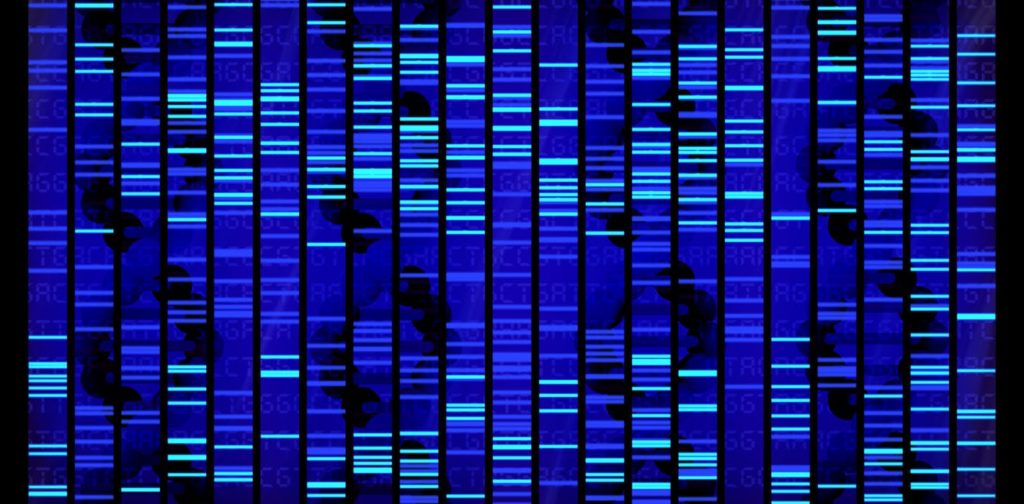

Genetic Testing for Marfan Syndrome: Is It Conclusive? If you have the physical characteristics of Marfan syndrome—or Marfan syndrome runs in your family—you might assume that a genetic test can answer one simple question:
Do I have Marfan syndrome: yes or no?
Unfortunately, genetic testing isn’t always quite that simple. Marfan syndrome is strongly associated with pathogenic variants in the FBN1 gene, and modern genetic testing can identify an FBN1 pathogenic variant in the great majority of people with classic Marfan syndrome. But genetic testing is not 100% conclusive in every patient.
The important point is this:
A pathogenic FBN1 variant can provide powerful evidence supporting a diagnosis of Marfan syndrome. But a negative genetic test does not necessarily rule Marfan syndrome out.
And sometimes testing finds something in between—a variant of uncertain significance (VUS) that cannot currently be classified as either disease-causing or harmless.
That is why Marfan syndrome is generally diagnosed by putting genetics, family history, and clinical findings together, rather than relying on a genetic test alone.
My name is David Emerson. I manage the PeopleBeatingCancer.org website. As a long-term cancer survivor, I usually write about all things cancer, but because Marfan syndrome runs in my family, I write about Marfan syndrome as well.
Though I’m pretty tall (6’6″), I don’t have the usual physical attributes of Marfan syndrome. In 2010, I was diagnosed with chemotherapy-induced cardiomyopathy. While this diagnosis is a typical side effect of a cancer survivor who has undergone as much cardiotoxic chemo as I have, I have also to consider Marfan syndrome as a contributing factor.
After researching genetic testing for Marfan syndrome, I decided that genetic testing for MS was inconclusive and that I would rather assume that I had Marfan syndrome and live my life accordingly. Meaning, I don’t think I’ll undergo genetic testing for MS.
- I’m tall,
- I developed steroid-induced cataracts necessitating removal of both natural lenses,
- Cardiotoxic chemotherapy damaged my heart,
- and there is a lot of MS in my family.
Those facts are enough for me to live my life as if I have been diagnosed with MS. I will live as heart-healthy a lifestyle as I can.
Below, I list all the lifestyle therapies I undergo in an effort to manage my connective tissue disorder.
Do you have Marfan syndrome?
David Emerson
- Marfan Survivor
- Cancer Survivor
- Director PeopleBeatingCancer
To learn more about Marfan Syndrome:
- Marfan Syndrome – Need to Know
- Marfan Syndrome and Aortic Dilation: How to Reduce Cardiovascular Stress
- Marfan Syndrome and Exercise
- Living a Long Life With Marfan Syndrome
- Ascending Aortic Aneurysm
- Can Supplements Help Support Connective Tissue Health?
- Athletes Living With Marfan Syndrome
- Marfan Bone Health
- Blood Pressure Stabilization
- Aortic Dilation
- Exercise with Marfan Syndrome
- Diet for Marfan Syndrome
- Resveratrol and Aortic Growth
What Causes Marfan Syndrome?
Marfan syndrome is an inherited connective-tissue disorder usually caused by a pathogenic variant in the FBN1 (fibrillin-1) gene.
FBN1 provides instructions for producing fibrillin-1, an important component of connective tissue. Abnormal fibrillin-1 can affect structures throughout the body, particularly the:
- Aorta
- Heart valves
- Eyes
- Skeleton
- Joints
- Lungs
- Skin
Marfan syndrome follows an autosomal dominant inheritance pattern. This means that a person with a disease-causing FBN1 variant generally has a 50% chance of passing that variant to each child.
However, family history isn’t required. At least 25% of cases are thought to result from a new, or de novo, FBN1 variant rather than one inherited from a parent.
Research:
MedlinePlus Genetics — Marfan Syndrome
How Accurate Is Genetic Testing for Marfan Syndrome?
Genetic testing is very good—but not perfect.
According to GeneReviews, FBN1 sequence analysis identifies a pathogenic variant in approximately 90%–93% of people with classic Marfan syndrome. Another roughly 5% can have deletions or duplications detectable with additional targeted testing.
That distinction is important.
A standard sequencing test may not detect every possible genetic alteration. If sequencing doesn’t identify an FBN1 variant, additional deletion/duplication analysis may be appropriate.
Research:
GeneReviews — FBN1-Related Marfan Syndrome
So Is Genetic Testing for Marfan Syndrome Conclusive?
Sometimes yes.
If a person has clinical features consistent with Marfan syndrome and testing identifies a known pathogenic or likely pathogenic FBN1 variant, the genetic result can be extremely strong diagnostic evidence.
Genetic testing can be particularly valuable when:
- Clinical findings are borderline
- The patient is young and hasn’t developed all Marfan features yet
- There is a strong family history
- A known FBN1 variant has already been identified in the family
- Doctors are trying to distinguish Marfan syndrome from another inherited aortic disorder
But there are several reasons genetic testing isn’t always definitive.
What Does a Negative Marfan Genetic Test Mean?
This is probably the most important question for patients to understand. Negative does not necessarily mean “you don’t have Marfan syndrome.”
A negative result means the laboratory did not identify a disease-causing variant using the testing methods performed. There are several possible explanations.
1. The test may not detect every FBN1 abnormality
Different genetic tests have different capabilities. Basic FBN1 sequencing is excellent at detecting many small DNA changes, but larger deletions or duplications may require separate testing.
This is why someone with a strongly suggestive clinical picture may need:
FBN1 sequencing → deletion/duplication testing → possibly a broader hereditary aortic disease panel.
2. The genetic change may not yet be understood
Human genetics is still evolving. A patient’s DNA may contain a change in FBN1, but scientists may not have enough evidence to determine whether that particular variant causes disease. That leads to one of the most confusing genetic test results:
Variant of Uncertain Significance (VUS)
A VUS means:
We found a genetic difference, but we don’t currently know whether it causes disease.
It should not automatically be treated as either a positive or negative result. Variant interpretation also changes as scientific knowledge grows. ClinGen has developed FBN1-specific criteria to improve consistency in determining whether variants are pathogenic, benign or uncertain.
Research:
ClinGen — FBN1 Variant Interpretation and Classification
Genetic Testing Is Only Part of the Marfan Diagnosis
Marfan syndrome remains a clinical-genetic diagnosis. Doctors consider findings involving several organ systems, particularly:
Aorta
Aortic root enlargement is one of the most important features of Marfan syndrome.
PeopleBeatingCancer:
Marfan Syndrome and Aortic Dilation: How to Reduce Cardiovascular Stress
Eyes
One classic Marfan feature is ectopia lentis, or displacement of the eye’s lens.
Skeleton
Features can include:
- Tall stature
- Long arms and legs
- Long fingers
- Chest-wall abnormalities
- Scoliosis
- Flat feet
- Certain hip abnormalities
Family history
Marfan syndrome often appears across generations because of its autosomal dominant inheritance pattern.
What Are the Revised Ghent Criteria?
Doctors generally use the revised Ghent diagnostic criteria when evaluating Marfan syndrome.
These criteria place particular emphasis on:
- Aortic root enlargement
- Ectopia lentis
- FBN1 pathogenic variants
- Family history
- A systemic score based on other Marfan characteristics
For example, in a person without a known family history, GeneReviews explains that FBN1-related Marfan syndrome can be established when an appropriate pathogenic FBN1 variant is present along with either aortic root enlargement or ectopia lentis.
Research:
GeneReviews — Establishing the Diagnosis of FBN1-Related Marfan Syndrome
The important takeaway is that DNA isn’t interpreted in isolation.
Why a Multigene Panel May Be Better Than Testing FBN1 Alone
This is one of the biggest reasons I think genetic testing can be valuable.
Several inherited connective-tissue and aortic disorders can resemble Marfan syndrome.
They include:
- Loeys-Dietz syndrome
- Vascular Ehlers-Danlos syndrome
- Familial thoracic aortic aneurysm and dissection syndromes
- MASS phenotype
- Other hereditary connective-tissue disorders
The American College of Cardiology/American Heart Association guidelines note that hereditary thoracic aortic disease panels can include genes such as:
- FBN1
- TGFBR1
- TGFBR2
- SMAD3
- TGFB2
- COL3A1
- ACTA2
- MYH11
- MYLK
- LOX
- PRKG1
This matters because finding a pathogenic variant in another gene may change the diagnosis—and potentially surveillance and treatment recommendations.
Research:
2022 ACC/AHA Guideline for the Diagnosis and Management of Aortic Disease
Marfan vs. Loeys-Dietz vs. Vascular Ehlers-Danlos
Imagine someone who has:
- Tall stature
- Long limbs
- Skeletal abnormalities
- Aortic enlargement
- A family history of aneurysm
Marfan syndrome would certainly be considered. But some of those findings can occur with other inherited aortic disorders.
This is one reason modern genetic evaluation may use a hereditary thoracic aortic disease multigene panel rather than looking only at FBN1.
The ACC/AHA guideline specifically notes that genetic testing can be reasonable in people who satisfy clinical Marfan criteria but do not have ectopia lentis, in part to exclude alternative diagnoses such as Loeys-Dietz syndrome.
That isn’t simply a matter of putting the correct name on a disorder.
Different genetic aortic syndromes can have different patterns of arterial involvement and different management considerations.
Genetic Testing Can Be Especially Powerful Within Families
There is another situation where genetic testing becomes particularly useful. Suppose someone with clearly diagnosed Marfan syndrome has a confirmed pathogenic FBN1 variant. Their children, siblings, or other at-risk relatives can then be tested specifically for that family’s variant.
The Marfan Foundation explains that identifying the familial variant can allow relatives to determine whether they inherited that specific genetic change.
This can be especially valuable because some Marfan manifestations don’t become obvious until later in life.
Research:
The Marfan Foundation — Genetic Testing
Can Genetic Testing Predict How Severe My Marfan Syndrome Will Be?
Not reliably. Even members of the same family carrying the same FBN1 variant can experience different manifestations and degrees of severity. One person may develop substantial aortic enlargement. Another may have prominent skeletal abnormalities. Another may have eye problems. Another may have relatively mild manifestations.
The Marfan Foundation emphasizes that identifying the genetic variant cannot reliably predict which features a person will develop or how severe the disease will become.
This is an important limitation.
A positive genetic test does not tell you exactly what your future will look like.
Does a Positive Genetic Test Mean I Will Develop an Aortic Aneurysm?
Not necessarily. The genetic result establishes susceptibility to the manifestations associated with Marfan syndrome; it does not provide a precise forecast of what will happen to an individual patient. That is why people with Marfan syndrome still need ongoing cardiovascular surveillance.
If aortic enlargement is present, management usually focuses on reducing stress on the aortic wall and monitoring its size over time.
PeopleBeatingCancer:
Marfan Syndrome and Aortic Dilation
Lifestyle considerations can also become part of the discussion.
- Marfan Syndrome and Exercise: How to Stay Active While Reducing Aortic Stress
- Best Diet for Marfan Syndrome: Nutrition Strategies for Cardiovascular Health
What If Genetic Testing Is Negative but I Look Like I Have Marfan Syndrome?
This is where clinical evaluation becomes especially important.
A negative FBN1 test should prompt questions such as:
- Was full FBN1 sequencing performed?
- Was deletion/duplication analysis included?
- Was a hereditary thoracic aortic disease panel performed?
- Has an ophthalmologist checked for ectopia lentis?
- Has the aortic root been properly measured?
- What is the systemic Ghent score?
- Is there a family history of aneurysm or dissection?
- Could this be Loeys-Dietz syndrome, vascular Ehlers-Danlos syndrome, MASS phenotype or another connective-tissue disorder?
The Marfan Foundation similarly emphasizes that diagnosis may require medical and family history, physical examination, echocardiography, eye examination, and genetic testing rather than one test alone.
Resource:
The Marfan Foundation — Getting Diagnosed
Genetic Testing for Marfan Syndrome: How I Think About It
For me, the most useful way to think about genetic testing is: Genetics is an important piece of the Marfan puzzle—not necessarily the entire puzzle. A clearly pathogenic FBN1 variant combined with appropriate clinical findings can provide powerful confirmation.
But:
- Positive FBN1 test + appropriate clinical findings → strong evidence for Marfan syndrome
- Negative FBN1 test → does not automatically exclude Marfan syndrome
- VUS → does not establish or exclude Marfan syndrome
- Marfan-like features + negative FBN1 → consider broader genetic testing and alternative inherited aortic disorders
That last point may be particularly important. The goal shouldn’t simply be to answer:
“Do I have an FBN1 mutation?”
The more clinically useful question may be:
“What inherited connective-tissue or aortic disorder best explains my genetics, family history and clinical findings?”
Questions to Ask a Genetic Counselor or Marfan Specialist
If you are considering genetic testing, I would ask:
- Should I have FBN1 testing alone or a hereditary aortic disease multigene panel?
- Does the test include deletion/duplication analysis?
- If my test is negative, what does that mean given my clinical features?
- If I have a VUS, should it affect my diagnosis or treatment?
- Could my symptoms represent Loeys-Dietz syndrome, vascular Ehlers-Danlos syndrome or another inherited aortic disorder?
- If a pathogenic variant is identified, should my children, siblings or other relatives be tested?
- Could my variant be reclassified as genetic knowledge improves?
- Regardless of my genetic result, what cardiovascular surveillance do I need?
A genetic counselor or medical geneticist familiar with hereditary connective-tissue and aortic disorders can be particularly helpful in interpreting these results.
The Bottom Line
Is genetic testing for Marfan syndrome conclusive?
Sometimes—but not always. Modern genetic testing identifies disease-causing FBN1 variants in the great majority of people with classic Marfan syndrome. A known pathogenic variant can provide very strong diagnostic evidence and can be especially useful for testing other family members.
But a negative result does not automatically eliminate Marfan syndrome, and a variant of uncertain significance is not the same thing as a positive result.
Perhaps most importantly, genetic testing can help doctors distinguish Marfan syndrome from other inherited aortic and connective-tissue disorders that can look remarkably similar. For that reason, the most accurate diagnosis generally comes from combining:
genetics + aortic imaging + eye examination + physical findings + family history.
Genetic testing is extraordinarily useful.
It just isn’t always the final word.
Related PeopleBeatingCancer Reading
- Marfan Syndrome: Need-to-Know Facts and Symptoms
- Marfan Syndrome and Aortic Dilation
- Marfan Syndrome and Exercise
- Best Diet for Marfan Syndrome
- Can Supplements Help Support Connective Tissue Health?
- Resveratrol and Marfan Syndrome: Can It Slow Aortic Aneurysm Growth?
Research and Resources
- GeneReviews — FBN1-Related Marfan Syndrome
- The Marfan Foundation — Genetic Testing
- The Marfan Foundation — Marfan Syndrome Diagnosis
- MedlinePlus Genetics — Marfan Syndrome
- ACC/AHA Guideline for the Diagnosis and Management of Aortic Disease
- ClinGen — Interpretation and Classification of FBN1 Variants