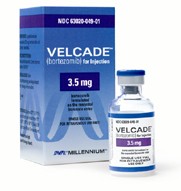
According to the research linked below, ivermectin synergizes the anti-MM action of velcade against myeloma. While it’s important to highlight the anti-MM affect of ivermectin by itself, the study downplays the idea of ivermectin as anti-MM mono therapy by saying-
“Ivermectin alone exhibited mild anti-MM activity in vitro.”

Though ivermectin has been approved by the FDA, it is important to point out that the approval is for parasitic infections.
Further, before taking ivermectin, it is important to understand possible:
- Important warnings
- Ivermectin side effects
- Ivermectin may interact with other medications
- Ivermectin warnings
- How to take ivermectin
- Important considerations for taking ivermectin
Is ivermectin cytotoxic to multiple myeloma?
Ivermectin, an antiparasitic medication, has shown potential cytotoxic effects in various cancer cell lines, including multiple myeloma, in preclinical studies. Research suggests that ivermectin may induce cell death, inhibit cell proliferation, and enhance the efficacy of other anticancer drugs. However, these findings are primarily based on laboratory and animal studies.
Here’s a summary of what is known:
- Mechanisms of Action: Ivermectin appears to target several cellular processes, including the inhibition of the WNT-TCF pathway, which is involved in cancer cell proliferation and survival. It also affects mitochondrial function and induces oxidative stress in cancer cells.
- Preclinical Studies: Laboratory studies have demonstrated that ivermectin can induce apoptosis (programmed cell death) in multiple myeloma cells and reduce their viability. These studies have provided a basis for considering ivermectin as a potential therapeutic agent against multiple myeloma.
- Clinical Evidence: Despite promising preclinical results, there is limited clinical evidence to support the use of ivermectin as a treatment for multiple myeloma in humans. Clinical trials are necessary to establish its safety, efficacy, and appropriate dosage in cancer patients.
Multiple myeloma is a rare and difficult incurable blood cancer. On the one hand, MM patients need strong therapy to kill their MM yet, too much toxicity causes short, long-term and late stage side effects.
Years of toxicity can wear the MM patient down until they die. The solution? Walk the fine line between the damage done to you by your MM and the damage done to you by chemotherapy and radiation.
I would argue that the best way to do this is to take only as much toxic treatment to manage your MM for the rest of your life. And synergistic therapies such as ivermectin can help you do this.
If you would like to learn more about therapies to synergize or enhance MM chemotherapy regimens email me at David.PeopleBeatingCancer@gmail.com
Thank you,
David Emerson
- MM Survivor
- MM Cancer Coach
- Director PeopleBeatingCancer
“What is ivermectin?
Ivermectin is a prescription drug. It comes as an oral tablet, topical cream, and topical lotion.
Ivermectin oral tablet is available as the brand-name drug Stromectol. It’s also available as a generic drug. Generic drugs usually cost less than the brand-name version. In some cases, they may not be available in every strength or form as the brand-name drug.
Why it’s used
Ivermectin oral tablet is used to treat infections of parasites. These include parasitic infections of your intestinal tract, skin, and eyes.
How it works
Ivermectin belongs to a class of drugs called anti-parasitic drugs. A class of drugs is a group of medications that work in a similar way. These drugs are often used to treat similar conditions.
Ivermectin oral tablet works by binding to parts inside the parasite. It eventually paralyzes and kills off the parasite, or it stops adult parasites from making larvae for a while. This treats your infection…”
“Multiple myeloma (MM) is an incurable malignancy of plasma cells. Ivermectin is a US Food and Drug Administration-approved drug for antiparasitic use. Here, we showed that ivermectin exerted anti-MM effects and significantly synergized with proteasome inhibitors in vitro and in vivo.
Ivermectin alone exhibited mild anti-MM activity in vitro. Further investigation suggested that ivermectin inhibited proteasome activity in the nucleus by repressing the nuclear import of proteasome subunits, such as PSMB5-7 and PSMA3-4. Therefore, ivermectin treatment caused the accumulation of ubiquitylated proteins and the activation of the UPR pathway in MM cells.
Furthermore, ivermectin treatment caused DNA damage and DNA damage response (DDR) signaling pathway activation in MM cells. Ivermectin and bortezomib exhibited synergized anti-MM activity in vitro.
The dual-drug treatment resulted in synergistic inhibition of proteasome activity and increased DNA damage. An in vivo study using a human MM cell line xenograft mouse model showed that ivermectin and bortezomib efficiently repressed MM tumor growth in vivo, while the dual-drug treatment was well tolerated by experimental animals.
Overall, our results demonstrated that ivermectin alone or cotreated with bortezomib might be promising in MM treatment.”