

Our Mission
PeopleBeatingCancer supports an evidence-based integrative approach to cancer care. For most newly diagnosed patients, FDA-approved therapies form the foundation of treatment, while evidence-based complementary therapies may help reduce side effects and improve survivorship.
Click the orange button to the right to learn more.
- You are here:
- Home »
- Blog »
- kidney cancer »
- Kidney Cancer and Pain: What Patients and Survivors Need to Know
Kidney Cancer and Pain: What Patients and Survivors Need to Know
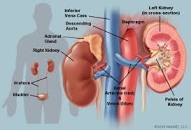

Kidney Cancer and Pain: What Patients and Survivors Need to Know. Kidney cancer can cause pain—but pain in someone who has kidney cancer does not automatically mean that the cancer is growing or spreading.
Pain can come from the kidney tumor itself, surgery, metastatic disease, cancer treatment, nerve or muscle injury, or an entirely unrelated medical problem.
The first step, therefore, is not simply to treat the pain.
The first step is to determine what is causing it.
This distinction becomes especially important for kidney cancer survivors because pain can continue—or appear—long after treatment has ended.
The National Cancer Institute lists persistent pain in the side and blood in the urine among possible signs of renal cell carcinoma (RCC), although early kidney cancer may produce no symptoms at all.
For a broader discussion of cancer-related pain, see my PBC guide:
Cancer and Pain: What Patients Need to Know
And if you are newly diagnosed with kidney cancer, start here:
Kidney Cancer: What Newly Diagnosed Patients and Survivors Need to Know
I am a long-term survivor of an incurable blood cancer called multiple myeloma. I vividly remember the pain caused by my cancer- and how confused I was. And how I ignored the pain.
Though I have been in complete remission from my blood cancer since 1999, I have developed long-term side effects that cause joint, muscle, nerve, and bone pain. I spend as much time and money managing my therapy-induced pain as I do managing my health. I hope the post below helps you manage your own cancer pain.
Like most topics on PeopleBeatingCancer.org, I believe that patient education is the key to managing a problem.
Scroll down and post a question or comment if there is anything you’d like to know about cancer and pain.
Good luck,
David Emerson
Concepts Central to Managing Your Cancer
- Integrative Oncology: Combining Conventional and Natural Cancer Therapies
- Complementary Cancer Therapies: Evidence-Based
- Managing Cancer Treatment Side Effects: An Evidence-Based Guide to Prevention, Relief, and Recovery
- Cancer Financial Toxicity: Costs, Medical Debt, Insurance, Financial Assistance, and Survivorship
What Kind of Pain Can Kidney Cancer Cause?
Kidney cancer pain is not one specific type of pain.
Depending on its cause, it may feel:
- Dull or aching
- Sharp
- Deep
- Pressure-like
- Burning
- Shooting
- Persistent
- Intermittent
- Localized to the flank or back
- Located somewhere completely different if cancer has metastasized
The National Cancer Institute emphasizes that cancer pain may be caused by the cancer, cancer treatment, diagnostic procedures or combinations of these factors. Cancer pain can also continue after treatment has ended.
For kidney cancer patients and survivors, I think it is useful to divide pain into several major categories.
1. Flank or Side Pain
One of the classic symptoms associated with kidney cancer is persistent pain in the side or flank.
The kidneys sit toward the back of the abdomen on either side of the spine. As a kidney tumor grows, it can potentially produce discomfort or pressure in the flank, abdomen or lower back.
The NCI specifically identifies:
- Blood in the urine
- A lump in the abdomen
- Pain in the side that does not go away
- Loss of appetite
- Unexplained weight loss
- Anemia
as possible signs and symptoms of renal cell cancer.
But this is important:
Flank pain does not necessarily mean kidney cancer.
Kidney stones, urinary infections, musculoskeletal injuries, spinal problems, and numerous other conditions can cause pain in roughly the same area.
Likewise, kidney cancer may produce no pain whatsoever, particularly when the tumor is small or discovered incidentally on imaging.
Persistent or unexplained flank pain therefore deserves evaluation rather than self-diagnosis.
2. Blood in the Urine May Occur With—or Without—Pain
Hematuria, or blood in the urine, is another important kidney cancer symptom.
Blood may make urine appear:
- Pink
- Red
- Rust-colored
- Brownish
Or blood may be microscopic and discovered only during urinalysis.
Hematuria itself may be painless.
The combination of blood in the urine plus persistent flank or abdominal pain is particularly important to report promptly to a physician.
Again, neither symptom proves that someone has kidney cancer. Kidney stones, infection, bladder conditions, medications, and other problems can cause hematuria.
But visible blood in the urine deserves medical evaluation.
3. Pain After Kidney Cancer Surgery
For localized kidney cancer, surgery remains an important potentially curative treatment.
Depending on the tumor and patient, surgery may involve:
Partial nephrectomy
The tumor and a margin of surrounding tissue are removed while as much functioning kidney tissue as possible is preserved.
Radical nephrectomy
The entire affected kidney is removed, sometimes together with nearby tissues depending on the disease.
Postoperative pain is expected during the initial recovery period.
Patients may experience:
- Incisional pain
- Abdominal discomfort
- Flank soreness
- Muscle pain
- Pain with movement
- Tenderness around surgical sites
Laparoscopic and robotic procedures generally involve smaller incisions than traditional open surgery, but they still involve tissue trauma and healing.
For most patients, postoperative pain gradually improves.
Persistent pain deserves attention.
Pain that continues well beyond expected surgical recovery may have a different explanation, including:
- Scar tissue
- Nerve injury
- Abdominal-wall weakness
- Musculoskeletal compensation
- Hernia
- Chronic postsurgical pain
- Cancer recurrence
- An unrelated medical problem
Persistent pain after nephrectomy should therefore be evaluated rather than simply accepted as the inevitable price of cancer surgery.
4. Bone Pain and Metastatic Kidney Cancer
This is one of the most important pain issues in advanced renal cell carcinoma.
Kidney cancer can spread to several locations, including the:
- Lungs
- Bones
- Lymph nodes
- Liver
- Brain
When RCC spreads to bone, pain can become a major clinical problem.
Research on RCC bone metastases describes them as potentially painful and functionally disabling. Management may require combinations of systemic therapy, surgery, radiation, and other local treatments.
Bone pain may feel:
- Deep
- Aching
- Persistent
- Worse with movement
- Worse when bearing weight
- Worse at night
But pain is not the only concern.
Bone metastases can weaken bone and increase the risk of:
- Pathologic fractures
- Spinal instability
- Spinal cord compression
- Loss of mobility
- Neurological problems
- Reduced independence
New persistent bone pain deserves evaluation.
This is particularly true for someone with a history of kidney cancer.
It does not mean that every new backache or painful hip represents metastatic disease.
But unexplained persistent bone pain should not automatically be dismissed as arthritis, aging or a pulled muscle either.
Kidney Cancer Bone Pain Can Often Be Treated
The treatment of RCC bone metastases has changed considerably.
An interdisciplinary consensus on RCC bone metastases emphasizes multimodal management, including local treatment when bone lesions cause pain, instability, fracture risk or neurological impairment.
Depending on the situation, options can include:
Radiation therapy
Radiation can provide meaningful pain relief from selected bone metastases.
Modern stereotactic techniques such as SBRT can deliver high radiation doses precisely to selected RCC metastases.
Surgery
Surgery may be appropriate when a bone metastasis threatens structural stability, causes a fracture or produces neurological problems.
Selected solitary or oligometastatic lesions may also be considered for aggressive local treatment.
Ablation
For selected lesions, techniques such as:
- Radiofrequency ablation
- Microwave ablation
- Cryoablation
may sometimes be considered.
Bone-modifying medications
Bisphosphonates and the RANK-ligand inhibitor denosumab may be considered for selected patients with bone metastases. Kidney function, calcium levels, dental health, and other factors affect whether these treatments are appropriate.
The larger point is:
Bone pain from metastatic kidney cancer should not simply be treated with increasingly strong pain medications without also asking whether the underlying lesion itself can be treated.
5. Immunotherapy Can Cause Pain
Modern kidney cancer treatment increasingly relies on immunotherapy, particularly immune-checkpoint inhibitors.
These therapies can produce excellent and sometimes durable cancer responses.
But activating the immune system can also cause inflammatory side effects.
Depending on the organ affected, immunotherapy-related symptoms can include:
- Joint pain
- Muscle pain
- Headaches
- Abdominal pain
- Neurological symptoms
- Inflammatory arthritis
- Myositis
New pain during immunotherapy should therefore be discussed with the oncology team.
This is particularly important because immune-related adverse events sometimes require prompt diagnosis and treatment.
Do not automatically assume that new joint or muscle pain during immunotherapy is simply normal aging.
6. Targeted Therapy Can Cause Musculoskeletal and Other Pain
Kidney cancer is also commonly treated with targeted therapies, including drugs that interfere with pathways involved in tumor growth and blood-vessel formation.
Depending on the drug, patients may experience:
- Muscle aches
- Joint pain
- Abdominal discomfort
- Mouth soreness
- Headache
- Hand-foot symptoms
- Fatigue
Treatment-related pain should be discussed with the oncology team because dose modification, supportive therapy or treatment changes may sometimes improve symptoms without abandoning effective cancer therapy.
PBC readers experiencing multiple treatment effects may also find this useful:
Managing Cancer Treatment Side Effects: An Evidence-Based Guide to Prevention, Relief and Recovery
Kidney Cancer Pain Is Not Always Cancer Pain
This may be the most important survivorship message in this article.
A kidney cancer survivor can develop:
- Arthritis
- Back pain
- Disc disease
- Muscle strains
- Osteoporosis
- Kidney stones
- Neuropathy
- Surgical pain
- Joint problems
just like anyone else.
New pain therefore creates a difficult question:
Is this my cancer, my cancer treatment—or something completely unrelated?
There is no reliable way to answer that question simply by how the pain feels.
The NCI recommends characterizing cancer pain according to its timing, location, and underlying mechanism because treatment depends heavily on determining whether pain is cancer-related, treatment-related, neuropathic, somatic, visceral or caused by something else.
How Should Kidney Cancer Patients Describe Their Pain?
The better you can describe pain, the easier it may be for your healthcare team to identify its cause.
Keep track of:
Where does it hurt?
Point to the precise location.
What does it feel like?
Is it:
- Aching?
- Burning?
- Sharp?
- Shooting?
- Throbbing?
- Tingling?
- Pressure-like?
- Deep?
When did it begin?
Did it begin suddenly or gradually?
Is it constant or intermittent?
What makes it worse?
Movement? Eating? Lying down? Walking? Deep breathing?
What makes it better?
Rest? Movement? Heat? Cold? Medication? Changing position?
Does it wake you at night?
Is it getting worse?
Does it interfere with walking, sleeping, or daily activities?
I would also record pain on a simple 0–10 scale.
Patterns matter.
Conventional Treatment for Kidney Cancer Pain
There is no single best pain treatment because the appropriate therapy depends on the cause.
A kidney cancer pain-management plan might include:
- Treatment of the cancer itself
- Surgery
- Radiation
- Acetaminophen
- Selected anti-inflammatory medications
- Opioids when appropriate
- Neuropathic-pain medications
- Physical therapy
- Occupational therapy
- Rehabilitation
- Interventional pain procedures
- Palliative care
- Treatment of bone metastases
- Psychological and behavioral pain-management strategies
The goal should be multimodal pain management rather than assuming one pill must solve every type of pain.
Kidney Function Changes the Pain-Medication Conversation
This deserves special emphasis in kidney cancer.
Someone who has undergone nephrectomy may be living with one kidney or reduced renal reserve.
That means common pain medications should not automatically be assumed to be harmless.
For example, nonsteroidal anti-inflammatory drugs—NSAIDs—can affect kidney function in susceptible patients.
That includes familiar medications such as:
- Ibuprofen
- Naproxen
- Other NSAIDs
This does not mean every kidney cancer survivor must avoid every NSAID.
It means kidney function matters.
Before routinely taking an over-the-counter pain medication, ask your physician or pharmacist whether it is appropriate given:
- Your remaining kidney function
- Creatinine/eGFR
- Blood pressure
- Other medications
- Cardiovascular health
- Bleeding risk
- Other medical conditions
Over-the-counter does not mean risk-free.
Evidence-Based Complementary Therapies for Cancer Pain
I believe conventional and complementary pain therapies should not be framed as competitors.
The better question is:
Which combination gives the patient the greatest pain relief, function and quality of life with acceptable risk?
The Society for Integrative Oncology and ASCO reviewed 227 studies when developing their clinical guideline for integrative cancer-pain management.
Importantly, most complementary therapies have been studied across cancer populations rather than specifically in kidney cancer.
So we should not overstate the evidence.
Acupuncture
Among complementary pain therapies, acupuncture has some of the strongest guideline support.
The SIO-ASCO guideline states that acupuncture may be offered for general cancer pain or musculoskeletal pain.
It may therefore be reasonable to discuss acupuncture for selected kidney cancer patients experiencing musculoskeletal or general cancer-related pain.
It should complement—not replace—evaluation of the underlying cause.
Acupressure and Reflexology
The same guideline states that acupressure or reflexology may be offered to selected patients experiencing pain during systemic cancer therapy.
Massage
Massage may help some cancer patients with pain, muscle tension and relaxation, although the strength of evidence varies considerably by cancer population and clinical situation.
Massage should be modified or avoided over:
- Tumors
- Unstable bone metastases
- Recent surgical sites
- Areas at high fracture risk
- Active skin injury
Ask your oncology team when metastatic bone disease is present.
Guided Imagery and Relaxation
The SIO-ASCO guideline states that guided imagery combined with progressive muscle relaxation may be offered for general pain from cancer treatment, although the supporting evidence is limited.
These therapies are particularly attractive because they generally have low physical risk and can be combined with medical pain management.
Exercise and Rehabilitation
Appropriate movement can help maintain:
- Muscle strength
- Balance
- Mobility
- Joint function
- Cardiovascular conditioning
- Independence
But exercise must fit the patient.
Someone with a painful or structurally unstable bone metastasis should not simply begin a generic exercise program.
Physical therapy, rehabilitation medicine or oncology rehabilitation can help determine what movements are safe.
What About Supplements for Kidney Cancer Pain?
This is an area where I would be cautious.
Natural compounds sometimes have anti-inflammatory or analgesic effects, but evidence for supplements specifically treating kidney-cancer pain is limited.
Furthermore, kidney cancer patients may have reduced kidney function and may be receiving targeted therapy or immunotherapy.
Supplements can:
- Interact with medications
- Affect bleeding
- Alter drug metabolism
- Affect blood pressure
- Cause kidney or liver toxicity
The SIO-ASCO pain guideline found the evidence for natural products in cancer pain to be generally low or inconclusive.
Therefore:
Do not assume that “natural” means kidney-safe or cancer-treatment-safe.
Discuss supplements with an oncologist, pharmacist or healthcare professional familiar with your complete treatment plan.
Palliative Care Is Not the Same as Hospice
Many cancer patients hear “palliative care” and think their oncologist is telling them treatment has failed.
That is a misunderstanding.
Palliative care focuses on symptom relief and quality of life and can be provided alongside active cancer treatment.
A palliative-care team can help with:
- Pain
- Fatigue
- Sleep
- Appetite
- Nausea
- Anxiety
- Medication side effects
- Family and caregiver concerns
- Quality-of-life issues
For someone with difficult kidney-cancer pain, asking for palliative care can mean adding another layer of expertise—not giving up.
Pain After Kidney Cancer Treatment: The Survivorship Issue
Cancer survivors are sometimes told that treatment is finished and everything should return to normal.
My own cancer experience taught me that survivorship doesn’t always work that way.
Cancer treatment can leave lasting physical consequences.
PBC discusses this broader issue here:
and here:
Cancer Treatment Side Effects: Evidence-Based Ways to Prevent and Manage Long-Term Complications
A kidney cancer survivor may be cancer-free yet continue dealing with pain from:
- Surgery
- Scar tissue
- Musculoskeletal changes
- Treatment toxicity
- Neuropathy
- Reduced physical conditioning
- Other health conditions
Survivorship should therefore involve more than surveillance scans.
It should also involve maintaining function and quality of life.
When Should Kidney Cancer Pain Be Evaluated Promptly?
Contact your healthcare team about:
- New persistent flank pain
- Blood in your urine
- New unexplained bone pain
- Pain that steadily worsens
- Pain that wakes you repeatedly at night
- New pain during cancer treatment
- Persistent postoperative pain
- Pain that interferes with walking
- New numbness or weakness
- Pain that is not controlled by your current treatment plan
Some situations may require more urgent evaluation.
Severe new back pain accompanied by weakness, numbness, difficulty walking, or loss of bladder or bowel control requires urgent medical attention because spinal cord compression is a possibility.
Likewise, sudden severe bone pain or inability to bear weight can indicate a fracture.
Questions to Ask Your Oncologist About Kidney Cancer and Pain
- What do you think is causing my pain?
- Could this pain be related to my kidney cancer?
- Could it be a side effect of surgery, immunotherapy or targeted therapy?
- Do I need imaging?
- Could this be bone metastasis?
- Is there a treatment that addresses the cause rather than only the pain?
- Could radiation help?
- Would physical therapy or cancer rehabilitation help?
- Would a pain-management specialist help?
- Would palliative care be appropriate?
- Are NSAIDs safe given my kidney function?
- Are there complementary therapies that are safe for me?
- Could acupuncture help?
- Could any supplements interact with my cancer treatment?
- Which symptoms should cause me to call immediately?
PeopleBeatingCancer Evidence Rating
| Therapy/Approach | Evidence for Cancer Pain | PBC Rating | Important Qualification |
|---|---|---|---|
| Treating the underlying cancer | Strong | A | Appropriate treatment depends on stage and cause of pain |
| Radiation for painful RCC bone metastases | Strong/moderate | A–B | Particularly important for selected symptomatic bone lesions |
| Standard pain medications | Strong | A | Choice and dose must account for kidney function and other conditions |
| Palliative care | Strong | A | Can be used alongside active cancer treatment |
| Physical therapy/rehabilitation | Moderate | B | Must be individualized, especially with bone metastases |
| Acupuncture for general cancer/musculoskeletal pain | Moderate | B | Supported by SIO-ASCO guideline |
| Acupressure/reflexology during systemic therapy | Moderate | B | May help selected patients |
| Guided imagery/progressive relaxation | Limited/moderate | B–C | Low-risk adjunct; evidence is less robust |
| Massage | Limited/moderate | B–C | Avoid or modify around unstable bone metastases and surgical sites |
| Supplements for kidney-cancer pain | Limited/inconclusive | C–D | Interactions and kidney toxicity are important concerns |
How I interpret the PBC Evidence Rating
A — Strong evidence: Supported by clinical guidelines, multiple clinical studies or established standard-of-care use.
B — Moderate evidence: Reasonable clinical evidence supports benefit, but evidence may be less extensive or apply to selected patients.
C — Preliminary/limited evidence: Some research suggests benefit, but larger or better-controlled studies are needed.
D — Insufficient evidence: Evidence is weak, inconsistent or largely preclinical.
The rating refers to the strength of evidence, not a guarantee that a therapy will work for an individual patient.
PBC Resources
Kidney cancer patients and survivors may also find these pages useful:
Kidney Cancer: What Newly Diagnosed Patients and Survivors Need to Know — PBC’s overview of renal cell carcinoma, treatment and survivorship.
Kidney Cancer Articles at PeopleBeatingCancer — PBC’s growing kidney-cancer content library, including treatment burden and complementary-therapy articles.
Cancer and Pain: What Patients Need to Know — the master page for this cancer-specific pain cluster.
Integrative Oncology: Combining Conventional and Natural Cancer Therapies — how PBC approaches conventional and evidence-based complementary cancer care.
Managing Cancer Treatment Side Effects — PBC’s broader treatment-side-effect resource.
Chemotherapy-Induced Peripheral Neuropathy — useful when burning, tingling, numbness or nerve pain may be treatment-related.
The Bottom Line
Kidney cancer and pain are connected—but pain does not automatically mean kidney cancer progression.
Pain can result from:
- The primary kidney tumor
- Surgery
- Bone metastases
- Immunotherapy
- Targeted therapy
- Nerve or musculoskeletal injury
- Long-term treatment effects
- Conditions completely unrelated to cancer
That is why the first question should always be:
What is causing my pain?
Once the cause is identified, the treatment plan can be much more precise.
For some patients, treating the cancer itself reduces the pain. For others, radiation, surgery, medications, physical rehabilitation or palliative care may be appropriate.
Evidence-based complementary approaches—including acupuncture, acupressure, selected massage and mind-body therapies—may add another layer of symptom management for appropriate patients.
The goal is not to choose between conventional medicine and complementary medicine.
The goal is to use the safest, most effective combination of therapies to reduce pain, preserve function and help the kidney cancer patient or survivor live as well as possible.
And one message applies throughout this entire PBC pain series:
You do not have to simply accept cancer-related pain as something you are supposed to live with.
Pain deserves to be evaluated, treated, and reassessed.
Research and References
National Cancer Institute — Renal Cell Cancer Treatment (Patient Version) — kidney cancer symptoms, diagnosis and treatment.
National Cancer Institute — Cancer Pain (PDQ), Patient Version — causes, assessment and management of cancer pain.
National Cancer Institute — Cancer Pain (PDQ), Health Professional Version — detailed evidence-based cancer pain assessment and treatment.
PubMed — Interdisciplinary Consensus on Management of Bone Metastases From Renal Cell Carcinoma — RCC-specific discussion of painful bone metastases and multimodal treatment.
Full-text RCC Bone Metastases Consensus — PMC — recommendations concerning surgery, SBRT, ablation and other local approaches.
NCCN Kidney Cancer Guideline Review — PMC — includes discussion of radiotherapy, bone-modifying agents and symptom palliation in metastatic RCC.
SIO-ASCO — Integrative Medicine for Pain Management in Oncology — clinical guideline covering acupuncture, acupressure, reflexology, massage and other complementary approaches.