

Our Mission
PeopleBeatingCancer supports an evidence-based integrative approach to cancer care. For most newly diagnosed patients, FDA-approved therapies form the foundation of treatment, while evidence-based complementary therapies may help reduce side effects and improve survivorship.
Click the orange button to the right to learn more.
- You are here:
- Home »
- Blog »
- Lung Cancer »
- Lung Cancer and Pain: What Patients and Survivors Need to Know
Lung Cancer and Pain: What Patients and Survivors Need to Know
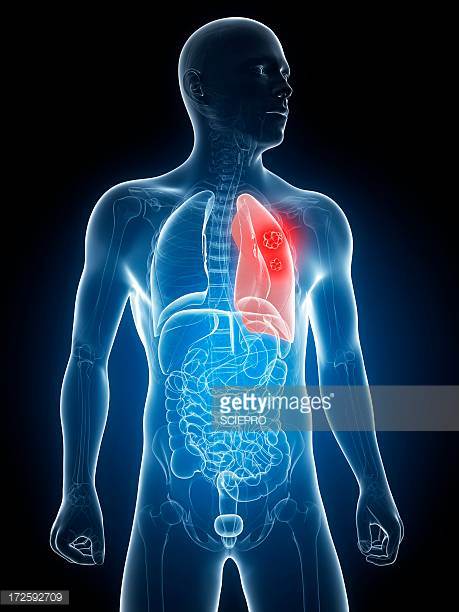

The good news is that lung cancer pain can usually be treated.
The first step is determining why you hurt.
Pain caused by a lung tumor may require a different approach than chemotherapy-induced peripheral neuropathy, postoperative pain, radiation-related pain, or pain from bone metastases.
That distinction matters.
Pain is a symptom—not a diagnosis.
If you have recently been diagnosed, start with Lung Cancer—Need to Know.
If you have lung cancer and develop new, persistent, or worsening pain, tell your oncology team. Do not assume that pain automatically means your cancer has progressed.
I am a long-term survivor of an incurable blood cancer called multiple myeloma. Experience has taught me that pain can result from the cancer, the treatment and/or the side effects from the treatment.
Though I have been in complete remission from my blood cancer since 1999, I have developed long-term side effects that cause joint, muscle, nerve, and bone pain. I spend as much time and money managing my therapy-induced pain as I do managing my health. I hope the post below helps you manage your own cancer pain.
Like most topics on PeopleBeatingCancer.org, I believe that patient education for both conventional and evidence-based non-conventional therapies is the key to managing most cancer-related problems.
Scroll down and post a question or comment if there is anything you’d like to know about cancer and pain.
Good luck,
David Emerson
Concepts Central to Managing Your Cancer
- Integrative Oncology: Combining Conventional and Natural Cancer Therapies
- Complementary Cancer Therapies: Evidence-based
- Managing Cancer Treatment Side Effects: An Evidence-Based Guide to Prevention, Relief, and Recovery
- Cancer Financial T0xicity
Lung Cancer Therapies:
- Early Lung Cancer: SBRT if Surgery is Not an Option
- Lung Cancer and Pain: What Patients and Survivors Need to Know
- Surgery for Lung Cancer: What Patients Need to Know
- Chemoradiation for Lung Cancer: Why Chemotherapy and Radiation Work Better Together
- Supplements and Cancer Care- A How-To Guide
- The Cure for Lung Cancer May Be in Fish Oil
Pain for Specific Types of Cancer
- Breast Cancer and Pain: What Patients and Survivors Need to Know
- Brain Cancer and Pain: What Patients and Survivors Need To Know
- Lung Cancer and Pain: What Patients and Survivors Need to Know
- Melanoma and Pain: What Patients and Survivors Need to Know
- Bladder Cancer and Pain: What Patients and Survivors Need to Know
Does Lung Cancer Cause Pain?
Sometimes.
Lung cancer can cause pain when a tumor:
- Invades the chest wall
- Irritates or compresses nerves
- Involves the pleura surrounding the lungs
- Grows into nearby tissues
- Affects the spine
- Spreads to the bones
- Causes inflammation
- Compresses other structures
Pain can also result from lung-cancer treatment.
The National Cancer Institute notes that cancer pain can be caused by the cancer itself, cancer treatment, diagnostic procedures, or a combination of these factors. Pain can also continue after treatment has ended.
This is particularly important for lung cancer survivors.
You can be finished with treatment and still have pain.
What Does Lung Cancer Pain Feel Like?
There is no single type of lung-cancer pain.
Your description of the pain can help your healthcare team determine what might be causing it.
Chest Pain
Chest pain may occur when a lung tumor affects:
- The chest wall
- Pleura
- Ribs
- Muscles
- Nerves
- Nearby tissues
Some patients describe chest pain as aching, pressure, sharp pain, burning, or pain that becomes worse with coughing or deep breathing.
Chest pain should never automatically be attributed to lung cancer.
Heart disease, infection, pulmonary embolism, musculoskeletal problems, and other conditions can also cause chest pain.
New or severe chest pain should be medically evaluated promptly.
Back Pain
Back pain can have many causes.
For someone with lung cancer, however, persistent or new back pain deserves attention because lung cancer can spread to the spine.
Spinal metastases can cause:
- Localized back or neck pain
- Pain that radiates into an arm or leg
- Nerve pain
- Weakness
- Numbness
- Difficulty walking
In some patients, cancer involving the spine can compress the spinal cord.
Spinal cord compression is an oncologic emergency.
New severe back or neck pain accompanied by weakness, numbness, difficulty walking, or loss of bladder or bowel control requires urgent medical attention.
Lung Cancer and Bone Pain
Bone metastases are an important potential cause of pain in advanced lung cancer.
Lung cancer can spread to bones including the:
- Spine
- Ribs
- Pelvis
- Hips
- Long bones
- Other parts of the skeleton
Bone metastases can cause persistent, deep, aching pain. They can also weaken bones and increase the risk of fractures.
This creates an important connection between lung cancer, pain, and bone health. Radiation can sometimes provide substantial relief from painful bone metastases.
If you develop new persistent bone pain, ask your oncologist whether imaging or another evaluation is appropriate.
Radiation for Painful Lung Cancer Metastases
One of the most important things for lung cancer patients to understand is that radiation is not used only to try to cure cancer.
Radiation can also be used for palliation—relieving symptoms and improving quality of life.
This is particularly important when lung cancer has spread to bone.
The 2024 ASTRO clinical practice guideline recommends radiation therapy for pain from symptomatic bone metastases and provides several evidence-based radiation schedules.
Your radiation oncologist may therefore discuss radiation even when the goal is not to eliminate all of the cancer.
For more information, see:
Radiation for Lung Cancer: What Patients Need to Know — PeopleBeatingCancer
That article discusses radiation for lung tumors, brain metastases, bone metastases, spinal disease, and symptom relief.
Lung Cancer Surgery and Pain
Surgery can be an important treatment for selected patients with lung cancer.
But surgery itself can cause pain.
Depending on the operation, patients may experience:
- Incisional pain
- Rib or chest-wall discomfort
- Muscle pain
- Nerve pain
- Pain with coughing
- Pain with deep breathing
- Persistent postsurgical pain
Some patients experience chronic pain after thoracic surgery.
This is one reason pain should be discussed before surgery rather than only after the operation.
Ask your surgical team:
“What type of pain should I expect after surgery, how long should it last, and what should I do if it doesn’t improve?”
Related PBC resource:
Lung Cancer Surgery: What Patients Need to Know — PeopleBeatingCancer
Chemotherapy and Lung Cancer Pain
Chemotherapy can indirectly cause pain by producing treatment-related complications.
One particularly important example is chemotherapy-induced peripheral neuropathy (CIPN).
Rarely, radiation can cause delayed nerve injury such as radiation-induced brachial plexopathy.
Several chemotherapy drugs used in lung cancer treatment—including platinum drugs and taxanes—can damage peripheral nerves.
Symptoms may include:
- Burning
- Tingling
- Numbness
- Shooting pain
- Sensitivity to touch
- Problems with balance
- Difficulty walking
And neuropathy can persist after chemotherapy ends.
PBC has a separate resource addressing chronic painful neuropathy:
Chronic Painful Neuropathy—Therapies — PeopleBeatingCancer
The distinction between lung cancer pain and lung cancer treatment-related pain is important.
A survivor who has no detectable cancer may still have significant treatment-related neuropathy.
Chemotherapy for Lung Cancer and Pain
Chemotherapy remains an important treatment for many patients with lung cancer, depending on cancer type, stage, molecular characteristics, and the overall treatment plan.
But patients should understand the potential side effects before treatment begins.
PBC’s companion guide:
Chemotherapy for Lung Cancer: Essential Insights — PeopleBeatingCancer
includes information about chemotherapy-induced neuropathy and other treatment-related side effects.
When chemotherapy causes pain, the goal isn’t simply to “put up with it.”
Tell your oncology team.
Pain may sometimes be treated directly, while in other circumstances the chemotherapy regimen, dose, or supportive-care plan may need to be reconsidered.
Immunotherapy, Targeted Therapy and Pain
Modern lung cancer treatment increasingly includes:
- Immunotherapy
- Targeted therapy
- Combination therapies
- Maintenance therapy
These treatments have changed the outlook for many people with lung cancer.
But they can also produce side effects that include pain.
For example, immune-related adverse events can affect:
- Muscles
- Joints
- Nerves
- Other organs and tissues
Targeted therapies can also produce treatment-related symptoms.
Therefore, if pain develops after starting a new lung cancer therapy, tell your oncology team.
Don’t assume that a new symptom is unrelated to treatment.
Lung Cancer Pain and Palliative Care
The word palliative sometimes frightens patients.
It shouldn’t.
Palliative care is not the same thing as hospice.
Palliative care is specialized medical care designed to improve quality of life and relieve symptoms during serious illness. It can be provided while a patient is receiving active cancer treatment.
A palliative-care team may help with:
- Pain
- Shortness of breath
- Fatigue
- Nausea
- Anxiety
- Depression
- Sleep problems
- Treatment side effects
- Caregiver concerns
The NCI specifically identifies palliative care as an important component of cancer-pain management.
For patients with advanced lung cancer, palliative care can therefore be part of good cancer care, not an indication that treatment has stopped.
Medications for Lung Cancer Pain
Pain medications depend upon the type and severity of pain.
Depending on the situation, doctors may use:
- Acetaminophen
- Nonsteroidal anti-inflammatory drugs
- Antidepressant medications for certain types of nerve pain
- Antiseizure medications for neuropathic pain
- Corticosteroids in selected circumstances
- Opioids
- Other medications or procedures
For moderate-to-severe cancer pain, opioids remain an important treatment option.
The American Cancer Society provides detailed information about opioid use, side effects, tolerance, drug interactions, and safe use.
Patients should not be afraid to discuss opioids with their oncology team.
At the same time, opioids should be prescribed and monitored individually because they can cause:
- Constipation
- Nausea
- Drowsiness
- Confusion
- Respiratory depression
- Drug interactions
- Tolerance
- Dependence
The goal is not simply to prescribe a stronger painkiller.
The goal is effective pain relief with the fewest unnecessary side effects.
Can Integrative Therapies Help Lung Cancer Pain?
This is an important area for PeopleBeatingCancer.
Integrative oncology does not mean replacing conventional cancer treatment with supplements or alternative therapies.
It means asking whether evidence-supported complementary approaches can help patients manage symptoms and improve quality of life alongside appropriate cancer treatment.
Depending on the individual situation, complementary approaches may include:
- Acupuncture
- Massage
- Mindfulness
- Relaxation techniques
- Guided imagery
- Gentle exercise
- Physical therapy
- Yoga or other movement practices
- Psychological support
The evidence is not equally strong for every therapy or every type of cancer pain.
That distinction is important.
A therapy that helps one type of pain should not automatically be promoted as a treatment for all cancer pain.
Patients should also discuss supplements and herbal products with their oncology team because “natural” does not automatically mean safe, and some products can interact with cancer medications.
Cannabis and Lung Cancer Pain
Cannabis and cannabinoids are frequently discussed by cancer patients who are looking for additional ways to manage pain, nausea, sleep problems, or other symptoms.
The research is evolving.
Cannabinoids may have a role in selected symptom-management situations, but they should not be presented as a substitute for established cancer treatment or proven pain-management strategies.
Patients should discuss cannabis or cannabinoid products with their healthcare team, particularly when they are taking multiple medications.
PBC’s broader cancer-pain discussion provides additional context:
Cancer and Pain: What Patients Need to Know — PeopleBeatingCancer
When Should a Lung Cancer Patient Report Pain?
Don’t wait for pain to become unbearable.
Tell your cancer team about:
- New pain
- Persistent pain
- Increasing pain
- Pain that interferes with sleep
- Pain that interferes with walking
- New bone pain
- New back or neck pain
- New nerve pain
- Numbness
- Weakness
- Pain that doesn’t respond to medication
- Pain that develops after starting a new treatment
- Significant medication side effects
Your doctor may decide that you need an examination, laboratory testing, imaging, medication changes, radiation, physical therapy, or referral to a pain or palliative-care specialist.
Lung Cancer Pain: Symptoms That May Require Urgent Attention
Some symptoms should not wait for your next regularly scheduled oncology appointment.
Seek urgent medical attention for symptoms such as:
- Severe or sudden chest pain
- Severe shortness of breath
- New weakness
- New paralysis
- New loss of bladder or bowel control
- Severe or rapidly worsening back pain
- Sudden confusion
- New seizure
- Sudden neurological changes
- Severe pain after a fall or injury
The appropriate response depends on your individual circumstances.
When in doubt, contact your cancer-care team or seek emergency medical care.
Lung Cancer Survivors and Chronic Pain
Pain doesn’t necessarily end when cancer treatment ends.
The NCI specifically notes that some cancer survivors continue to experience pain after treatment.
For lung cancer survivors, persistent pain may be related to:
- Surgery
- Nerve injury
- Radiation
- Chemotherapy
- Neuropathy
- Scar tissue
- Musculoskeletal changes
- Arthritis
- Treatment-related inflammation
- Another unrelated medical condition
This creates an important survivorship question:
Is my cancer causing this pain—or is my cancer history causing me to experience this pain differently?
The answer may require a different type of evaluation than the one used during active cancer treatment.
Persistent treatment-related symptoms are part of the broader problem of managing cancer treatment side effects.
Lung Cancer Pain and Quality of Life
Pain is more than a number on a 1-to-10 scale.
Persistent pain can affect:
- Sleep
- Mobility
- Exercise
- Appetite
- Mood
- Relationships
- Independence
- Ability to work
- Ability to participate in treatment
- Overall quality of life
That is why effective pain management should be considered part of the cancer-treatment plan rather than an afterthought.
The NCI describes pain control as an important part of cancer care and emphasizes developing an individualized pain-management plan.
Questions to Ask Your Lung Cancer Doctor About Pain
Consider asking:
- What do you think is causing my pain?
- Could the pain be caused by my cancer?
- Could it be caused by my treatment?
- Could I have bone metastases?
- Do I need imaging?
- Could this be chemotherapy-induced neuropathy?
- Could radiation help relieve the pain?
- Would physical therapy help?
- Should I see a pain specialist?
- Would a palliative-care consultation be appropriate?
- What pain medications are appropriate for me?
- What side effects should I watch for?
- Are there complementary therapies that could safely help?
- Could any supplements or natural products interfere with my cancer treatment?
- What symptoms should cause me to call you immediately?
PeopleBeatingCancer Evidence Rating
| Approach | Evidence for lung-cancer pain | What patients should know |
|---|---|---|
| Treating the underlying cancer | Strong | Controlling the cancer can sometimes reduce cancer-related pain |
| Prescription analgesics | Strong | Established component of cancer-pain management |
| Opioids for moderate/severe cancer pain | Strong | Effective for appropriate patients; requires individualized monitoring |
| Radiation for painful bone metastases | Strong | Established treatment for appropriately selected patients |
| Palliative care | Strong | Can improve symptom management and quality of life while cancer treatment continues |
| Treatment of chemotherapy-induced neuropathy | Moderate/condition-specific | Requires a different approach from tumor-related pain |
| Acupuncture | Variable/condition-specific | Evidence differs according to the type of cancer pain |
| Massage | Variable/condition-specific | May help selected patients but requires precautions with bone metastases and other complications |
| Mind-body therapies | Promising | May help pain, anxiety, distress, and quality of life |
| Cannabis/cannabinoids | Mixed/evolving | Evidence for cancer-related symptoms continues to develop; interactions matter |
| Supplements/botanicals | Variable | Evidence and safety differ substantially among products |
| “Natural cancer cures” | Insufficient evidence | Should not replace effective lung cancer treatment |
How to Interpret This Table
A rating of Strong does not mean that a treatment is appropriate for every patient.
Likewise, Promising or Moderate does not mean that a treatment is ineffective.
The evidence may depend upon:
- Cancer type
- Cancer stage
- Cause of pain
- Location of pain
- Treatment being received
- Patient health
- Dose
- Study quality
PeopleBeatingCancer’s goal is to help patients understand the difference between established pain treatment, promising complementary care, and unsupported claims.
The Bottom Line: Lung Cancer and Pain
Lung cancer does not always cause pain.
But when pain occurs, patients should not simply accept it as an unavoidable part of having cancer.
Find the cause.
Pain can result from:
- The lung tumor
- Metastatic disease
- Bone metastases
- Nerve involvement
- Surgery
- Radiation
- Chemotherapy
- Immunotherapy
- Targeted therapy
- Neuropathy
- Another medical condition
Once the cause is identified, there are often multiple ways to manage it.
Radiation can relieve pain from selected tumors and bone metastases. Medications can control moderate and severe cancer pain. Physical and complementary therapies may provide additional support for selected patients. And palliative care can provide specialized symptom management at any point during the cancer journey.
For lung cancer survivors, the process continues after treatment.
Persistent pain deserves evaluation, even when your cancer is no longer detectable.
The goal isn’t simply to live longer.
It is to live as well as possible while you are living with—and beyond—lung cancer.
If you are trying to understand pain in the context of your entire cancer journey, return to Cancer and Pain: What Patients Need to Know.
Research links
I would use these as the primary research references at the bottom of the PBC post:
- NCI — Cancer Pain (PDQ), Patient Version — patient-oriented overview of causes, assessment and treatment of cancer pain.
- NCI — Cancer Pain (PDQ), Health Professional Version — detailed evidence review covering pharmacologic, procedural and palliative approaches.
- ASTRO Clinical Practice Guideline — External Beam Radiation Therapy for Palliation of Symptomatic Bone Metastases — particularly important for the lung-cancer/bone-pain section.
- American Cancer Society — Cancer Pain — patient-oriented pain-management resource.
- American Cancer Society — Palliative Care — useful for explaining why palliative care is not synonymous with hospice.
- American Cancer Society — Opioids for Cancer Pain — opioid benefits, safety and side effects.