

Our Mission
PeopleBeatingCancer supports an evidence-based integrative approach to cancer care. For most newly diagnosed patients, FDA-approved therapies form the foundation of treatment, while evidence-based complementary therapies may help reduce side effects and improve survivorship.
Click the orange button to the right to learn more.
- You are here:
- Home »
- Blog »
- Skin Cancer »
- Melanoma and Pain: What Patients and Survivors Need to Know
Melanoma and Pain: What Patients and Survivors Need to Know
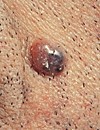

Melanoma and Pain: What Patients and Survivors Need to Know. Melanoma and pain are not necessarily connected. In fact, many people diagnosed with early-stage melanoma have little or no pain from the cancer itself. Melanoma is often discovered because a mole or skin lesion changes in size, shape, color, or appearance—not because it hurts.
But pain can become part of the melanoma experience.
Pain may result from:
- The melanoma itself
- Melanoma surgery
- Sentinel lymph node biopsy or lymph node surgery
- Nerve damage
- Metastatic melanoma
- Bone metastases
- Immunotherapy
- Targeted therapy
- Radiation therapy
- Persistent treatment-related side effects
And for melanoma survivors, pain can sometimes continue long after active treatment ends.
The important message is this:
New or persistent pain does not automatically mean that melanoma has returned or spread—but unexplained pain deserves evaluation.
The National Cancer Institute explains that cancer pain may come from the cancer itself or from treatments such as surgery, radiation, medications, or treatment-related nerve damage.
At PeopleBeatingCancer, I believe that patients should understand both conventional pain management and evidence-based complementary therapies that may help control symptoms and improve quality of life.
For a broader discussion, see my guide to Cancer and Pain: What Patients Need to Know.
I am a long-term survivor of an incurable blood cancer called multiple myeloma.
Though I have been in complete remission from my blood cancer since 1999, I vividly remember the pain caused by my cancer. Also, I have developed long-term side effects that cause joint, muscle, nerve, and bone pain. I spend as much time and money managing my therapy-induced pain as I do managing my health. I hope the post below helps you manage your own cancer pain.
Like most topics on PeopleBeatingCancer.org, I believe that patient education is the key to managing a problem.
Scroll down and post a question or comment if you’d like to know anything about cancer and pain.
Good luck,
David Emerson
Concepts Central to Managing Your Cancer
- Integrative Oncology: Combining Conventional and Natural Cancer Therapies
- Complementary Cancer Therapies: Evidence-Based
- Managing Cancer Treatment Side Effects: An Evidence-Based Guide to Prevention, Relief, and Recovery
- Cancer Financial Toxicity: Costs, Medical Debt, Insurance, Financial Assistance, and Survivorship
Cancer and Pain:
- Cancer and Pain: What Patients and Survivors Need to Know
- Breast Cancer and Pain: What Patients and Survivors Need to Know
- Brain Cancer and Pain: What Patients and Survivors Need To Know
- Lung Cancer and Pain: What Patients and Survivors Need to Know
Does Melanoma Cause Pain?
Usually not in its earliest stages.
The classic warning signs of melanoma are visual changes in the skin—a new lesion or an existing mole that changes in size, shape, or color. The American Cancer Society emphasizes these changes, rather than pain, among the major warning signs of melanoma.
This means that the absence of pain should never be interpreted as the absence of melanoma.
As melanoma becomes more advanced, however, pain may occur because tumors affect surrounding tissues or because melanoma spreads elsewhere in the body.
The National Cancer Institute notes that stage IV melanoma may spread to areas including the:
- Brain
- Spinal cord
- Bone
- Lung
- Liver
- Gastrointestinal tract
- Muscle and other soft tissues
- Distant lymph nodes
Where melanoma spreads can determine what kind of pain or other symptoms develop.
1. Pain From the Melanoma Itself
A melanoma lesion can occasionally become:
- Tender
- Sore
- Inflamed
- Ulcerated
- Bleeding
- Irritated
- Painful
But pain is not a reliable way to determine whether a skin lesion is melanoma.
2. Pain After Melanoma Surgery
Surgery remains a cornerstone of melanoma treatment.
For localized melanoma, this commonly means wide local excision, in which the melanoma and a margin of surrounding normal tissue are removed. Some patients also undergo sentinel lymph node biopsy. More extensive surgery may sometimes be necessary.
Most postoperative pain improves as tissues heal.
However, a small percentage of melanoma patients develop persistent pain.
One study of melanoma surgery survivors found that approximately 8.6% reported chronic pain in the scar area. Abnormal sensations were considerably more common, and the researchers concluded that neuropathic pain should be considered in patients experiencing persistent postoperative pain.
This is an important survivorship issue.
Pain around a melanoma surgical scar may feel like:
- Burning
- Tingling
- Shooting
- Electric sensations
- Numbness
- Tenderness
- Hypersensitivity
- Aching
These symptoms can suggest that nerves were affected during surgery.
For a broader explanation of cancer surgery and recovery, see Surgery for Cancer: What Patients Need to Know.
3. Pain After Sentinel Lymph Node Biopsy or Lymph Node Dissection
Melanoma patients sometimes undergo lymph node procedures to determine whether the cancer has spread.
These procedures can injure or irritate sensory nerves.
A review examining melanoma patients who underwent sentinel lymph node biopsy or complete lymph node dissection found persistent postoperative pain in a minority of patients, with higher reported rates following more extensive lymph node dissection. Neuropathic mechanisms appeared to account for much of the persistent pain reported in the studies that characterized pain type.
This means that pain following lymph node surgery may not simply be a matter of the incision taking longer to heal.
It can be nerve pain.
That distinction matters because neuropathic pain may respond differently from ordinary inflammatory or musculoskeletal pain.
PeopleBeatingCancer has additional information about neuropathic pain and its treatment.
4. Pain From Metastatic Melanoma
Pain becomes more important when melanoma spreads beyond its original location.
Metastatic melanoma can involve the bones, brain, spinal cord, gastrointestinal tract, lungs, liver, soft tissues, and other organs.
Symptoms depend greatly on the location of metastases.
Bone metastases
Melanoma that spreads to bone may cause:
- Persistent deep aching
- Localized tenderness
- Pain during movement
- Nighttime pain
- Sudden severe pain if a weakened bone fractures
The NCI describes metastatic bone pain as commonly deep and throbbing, sometimes accompanied by episodes of more intense pain triggered by movement.
Radiation therapy can sometimes be used specifically to reduce pain from bone metastases.
Brain or spinal metastases
Pain may sometimes appear as:
- Persistent or unusual headaches
- Neck or back pain
- Pain associated with neurological symptoms
Symptoms involving the nervous system require particular attention.
New pain accompanied by weakness, numbness, difficulty walking, confusion, seizures, vision changes, or bowel or bladder dysfunction should be evaluated promptly.
The NCI specifically lists radiation to the brain, spinal cord, or bone among palliative treatment options for advanced melanoma.
5. Immunotherapy Can Cause Pain Too
This is especially important for melanoma patients.
Checkpoint inhibitors such as:
- Pembrolizumab (Keytruda)
- Nivolumab (Opdivo)
- Ipilimumab (Yervoy)
- Nivolumab plus relatlimab
have transformed the treatment of advanced melanoma.
But immunotherapy works by activating the immune system, and that activation can sometimes cause inflammation in healthy tissues.
Pain-related immune adverse events can include:
- Joint pain
- Muscle pain
- Arthritis-like symptoms
- Headaches
- Abdominal pain
- Neurological pain
- Pain associated with inflammation of organs or tissues
Some immune-related adverse events can become serious.
For this reason, new pain during immunotherapy should not automatically be treated at home with supplements, NSAIDs, herbs, or other remedies without discussing the symptom with the oncology team.
Read more in:
Immunotherapy for Cancer: What Patients Need to Know Before, During and After Treatment
and
Immunotherapy Side Effects: Evidence-Based Integrative Therapies.
Pain Does Not Automatically Mean Your Melanoma Has Returned
For survivors, this may be one of the most important points in this article.
A melanoma survivor who develops back pain, joint pain, headaches, or nerve pain may understandably wonder:
Has my melanoma come back?
Sometimes pain can be associated with recurrent or metastatic disease.
But there are many other possibilities.
Pain can result from:
- Previous surgery
- Scar tissue
- Nerve injury
- Immunotherapy
- Musculoskeletal problems
- Arthritis
- An old injury
- Other medications
- Aging
- Conditions completely unrelated to melanoma
Therefore, pain alone cannot tell you whether melanoma has recurred.
The better approach is:
New + unexplained + persistent or worsening pain = something worth discussing with your healthcare team.
The NCI similarly recommends contacting the medical team about new pain or pain that is not improving with the current pain-control plan.
How Is Melanoma-Related Pain Treated?
The most effective treatment depends on what is causing the pain.
This distinction is essential.
Treating bone metastasis is different from treating postoperative nerve pain.
Treating inflammatory joint pain caused by immunotherapy is different from treating ordinary arthritis.
Treatment may therefore involve several layers.
Treating the Cause of the Pain
When possible, treating the melanoma itself may reduce pain.
Depending on the patient’s situation, this might involve:
- Surgery
- Immunotherapy
- Targeted therapy
- Radiation
- Other systemic therapy
For advanced melanoma, treatment directed at painful metastases may sometimes be used specifically to improve symptoms and quality of life.
Conventional Pain Management
Depending on the cause and severity of pain, clinicians may consider:
Acetaminophen
May help mild pain, although liver disease and other medical conditions can affect whether it is appropriate.
NSAIDs
Drugs such as ibuprofen or naproxen may reduce inflammatory and musculoskeletal pain.
However, NSAIDs aren’t appropriate for everyone—particularly patients with certain kidney, cardiovascular, gastrointestinal or bleeding risks.
Neuropathic pain medications
Burning, shooting or electric-like pain may require medications directed specifically at nerve pain rather than ordinary analgesics.
Opioids
Moderate or severe cancer pain may sometimes require opioids.
The NCI includes opioids among the established medications used for moderate-to-severe cancer pain.
Radiation therapy
Radiation may be especially useful when melanoma has spread to painful areas such as bone, brain or spinal structures.
Palliative care
Palliative care does not mean giving up on cancer treatment.
It can be provided alongside active melanoma therapy and can help manage:
- Pain
- Fatigue
- Sleep problems
- Anxiety
- Loss of appetite
- Other symptoms affecting quality of life
Evidence-Based Complementary Therapies for Cancer Pain
Pain management does not necessarily have to rely on medication alone.
The Society for Integrative Oncology and American Society of Clinical Oncology developed an evidence-based guideline specifically addressing integrative approaches to cancer pain.
After reviewing more than 200 relevant studies, the expert panel concluded that several complementary therapies can be considered in appropriate circumstances.
Acupuncture
The SIO-ASCO guideline states that acupuncture may be offered for general cancer pain or musculoskeletal pain.
Acupressure or reflexology
These approaches may be considered for some patients experiencing pain during systemic cancer therapy.
Massage
Massage may be useful for pain in some patients receiving palliative or hospice care.
Massage around melanoma surgical sites, lymph node surgery, lymphedema or known metastases should first be discussed with the healthcare team.
Mindfulness, meditation and guided imagery
These strategies may help some patients cope with pain and reduce the distress surrounding chronic pain.
The NCI includes meditation, mindfulness, guided imagery, hypnosis and other non-drug approaches among integrative strategies that may be incorporated into an individualized cancer pain plan.
Exercise and physical therapy
Appropriately prescribed movement may help maintain:
- Strength
- Mobility
- Balance
- Joint function
- Independence
But exercise needs to be individualized—particularly when melanoma has spread to bone or when surgery, neurological symptoms or other complications affect physical function.
PeopleBeatingCancer Evidence Rating
| Therapy | Potential Role | PBC Evidence Rating |
|---|---|---|
| Treating the underlying melanoma | Pain caused directly by tumor burden | Strong |
| Palliative radiation | Painful bone/brain/spinal metastases | Strong |
| Standard analgesic medications | Cancer-related pain | Strong |
| Neuropathic-pain medications | Postsurgical/nerve pain | Moderate–Strong |
| Acupuncture | General cancer or musculoskeletal pain | Moderate |
| Acupressure/reflexology | Pain during systemic therapy | Moderate |
| Massage | Selected palliative-care patients | Moderate |
| Mindfulness/meditation | Pain coping and symptom burden | Moderate |
| Exercise/physical therapy | Function and selected musculoskeletal pain | Moderate |
| Supplements for melanoma pain | Evidence varies greatly by product | Limited/Insufficient |
PBC interpretation: Evidence ratings describe the strength of available research—not whether a therapy is appropriate for a particular patient. Complementary therapies should supplement appropriate melanoma treatment and medical pain management rather than replace them.
A Special Warning About Supplements During Melanoma Immunotherapy
Melanoma patients should be especially careful about assuming that a supplement described as “anti-inflammatory,” “immune boosting,” or “natural” is automatically beneficial.
Immunotherapy deliberately alters immune activity.
Some supplements may:
- Affect immune signaling
- Interact with medications
- Influence bleeding
- Affect the liver or kidneys
- Complicate interpretation of treatment side effects
And symptoms attributed to a supplement or ordinary inflammation could actually represent an immune-related adverse event requiring medical treatment.
If you are receiving Keytruda, Opdivo, Yervoy or another checkpoint inhibitor, tell your oncology team about every supplement, herb, mushroom product, cannabinoid, and over-the-counter medication you use.
When Should a Melanoma Patient Call the Doctor About Pain?
Contact your healthcare team about:
- New unexplained pain
- Pain that persists
- Pain that steadily worsens
- New bone pain
- Severe nighttime pain
- New or unusual headaches
- Pain accompanied by weakness
- Numbness or tingling
- Difficulty walking
- Pain near a previous melanoma site
- Persistent surgical-site pain
- Significant new joint or muscle pain during immunotherapy
- Pain that interferes with sleep or daily activities
Seek urgent medical evaluation for severe neurological symptoms such as sudden weakness, seizures, confusion, loss of bowel or bladder control, or rapidly worsening symptoms.
Questions to Ask Your Oncologist
- What do you think is causing my pain?
- Could this be related to my melanoma?
- Could it be a long-term effect of melanoma surgery?
- Does the pain sound neuropathic?
- Could my immunotherapy or targeted therapy be causing it?
- Do I need imaging?
- Could melanoma have affected my bones or nerves?
- Would radiation help if the pain is caused by metastasis?
- Should I see a pain-management or palliative-care specialist?
- Would physical therapy help?
- Could acupuncture or another integrative therapy be appropriate?
- Are any supplements I take likely to interact with my melanoma treatment?
The Bottom Line
- Melanoma does not necessarily cause pain.
- Early melanoma is often painless.
But melanoma patients and survivors can develop pain from several sources:
Melanoma itself → surgery → lymph node procedures → nerve injury → metastatic disease → immunotherapy → radiation → other unrelated health problems.
That is why the most important question isn’t simply:
“How do I stop the pain?”
It is:
“What is causing my pain?”
Once the cause is understood, patients and their healthcare teams can build a more rational treatment plan.
That plan might combine treatment of the melanoma itself with medications, radiation, physical therapy, palliative care, and selected evidence-based complementary therapies.
And melanoma survivors should remember one particularly important distinction:
Pain does not automatically mean recurrence—but new, unexplained, or worsening pain deserves to be evaluated.
For more information about managing pain across cancer types, read Cancer and Pain: What Patients Need to Know.
Research and References
National Cancer Institute — Pain and Cancer
https://www.cancer.gov/about-cancer/treatment/side-effects/pain
National Cancer Institute — Melanoma Treatment (PDQ), Patient Version
https://www.cancer.gov/types/skin/patient/melanoma-treatment-pdq
National Cancer Institute — Cancer Pain (PDQ)
https://www.cancer.gov/about-cancer/treatment/side-effects/pain/pain-pdq
American Cancer Society — Melanoma: Early Detection, Diagnosis and Staging
https://www.cancer.org/cancer/types/melanoma-skin-cancer/detection-diagnosis-staging.html
Høimyr et al. — Persistent Pain After Surgery for Cutaneous Melanoma
https://pubmed.ncbi.nlm.nih.gov/21904198/
Gärtner et al. — Persistent Postoperative Pain and Sensory Changes Following Lymph Node Excision in Melanoma Patients
https://pubmed.ncbi.nlm.nih.gov/24346167/
Mao et al. — Integrative Medicine for Pain Management in Oncology: Society for Integrative Oncology-ASCO Guideline
https://pubmed.ncbi.nlm.nih.gov/36122322/