

Recently Diagnosed or Relapsed? Stop Looking For a Miracle Cure, and Use Evidence-Based Therapies To Enhance Your Treatment and Prolong Your Remission
Multiple Myeloma an incurable disease, but I have spent the last 25 years in remission using a blend of conventional oncology and evidence-based nutrition, supplementation, and lifestyle therapies from peer-reviewed studies that your oncologist probably hasn't told you about.
Click the orange button to the right to learn more about what you can start doing today.
- You are here:
- Home »
- Blog »
- Multiple Myeloma »
- Multiple Myeloma Bone Health- Does Collagen Help MM Cells to Grow?
Multiple Myeloma Bone Health- Does Collagen Help MM Cells to Grow?

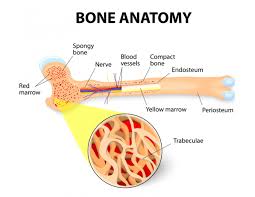
Collagen is the most abundant protein in your body. It works like glue by giving your tissues shape, strength, and integrity. Does Collagen Help MM cells to grow?
Dear David- I have read that collagen (COL) helps multiple myeloma cells to grow. I did take COL powder for 3 months then stopped. Is there any info about COL? Thanks MB
Hi MB-
Thanks for asking about MM and COL. After I read your question earlier, I did some digging around the internet for any info, studies, research, etc. about MM and COL. The only study I found is linked below.
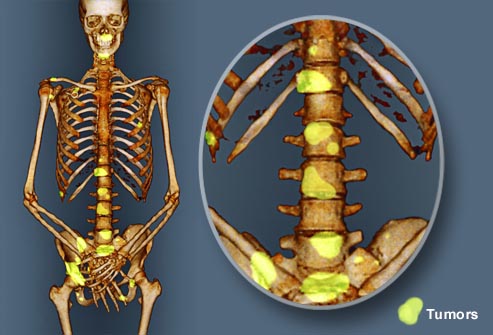
While the study is difficult to read, what I take from it is that that bone health does suffer in MM patients. We all know this. MM reduces COL as well as calcium, etc. MM causes osteoporosis, lytic lesions, fractures, etc.
I’m not a medical professional but when I read a study like the one linked below, I see specifics about how MM causes bone damage. However, I don’t see the opposite.
The study does say that collagen increases in a percentage of MM patients before they relapse. I simply saying that I don’t see the link between collagen and how its presence helps MM grow. I can find no language that points to “collagen helps myeloma cells to grow.”
Lastly, everything about COL in the human body says that it is everywhere. COL is in our skin, bones, muscles, brain, everywhere. I don’t see supplementing with COL, adding more COL to our system, as helping MM cells grow.
I will say that I work to keep my bones strong and I will continue to take COL.
Thanks for reaching out.
David Emerson
- MM Survivor
- MM Coach
- Director PeopleBeatingCancer
Recommended Reading:
- Multiple Myeloma Chemotherapy – Antioxidants Enhance Action
- Cancer Coaching Testimonials- PeopleBeatingCancer
- Multiple Myeloma Therapy- Curcumin- Evidence-based, Integrative, Non-toxic
Clinical utility of C-terminal telopeptide of type 1 collagen in multiple myeloma
“Myeloma bone disease (MBD) is a major cause of morbidity in multiple myeloma (MM). We investigated bone turnover markers (BTM) as relapse predictors and biomarkers for monitoring MBD. We measured C-terminal telopeptide of type I collagen (CTX-1), and Procollagen type 1 N Propeptide (P1NP) in 86 MM patients and 26 controls. CTX-1 was higher in newly diagnosed patients compared to control, remission and relapse (P < 0·05), and decreased following treatment.
In the setting of relapse, a CTX-1 rise greater than the calculated least significant change (LSC) was observed in 26% of patients 3-6 months prior to relapse (P = 0·007), and in 60·8% up to 3 months before relapse (P = 0·015).
Statistically significant changes in CTX-1 levels were also observed in patients who were with and without bisphosphonate therapy at the time of relapse. In patients with normal renal function, mean CTX-1 level was highest in the newly diagnosed group (0·771 ± 0·400 μg/l), and lowest in the remission group (0·099 ± 0·070 μg/l) (P < 0·0001).
P1NP levels were not statistically different across the patient groups. We conclude that CTX-1, measured on an automated hospital laboratory platform, has a role in routine treatment monitoring and predicting relapse of MBD, even in patients on bisphosphonates.
Myeloma Therapy- Collagen 101- Skin, Bone, Heart Health-
“Collagen 101
If you aren’t aware, COL is the most abundant protein in your body. It works like glue by giving your tissues shape, strength, and integrity. Collagen is also important for teeth density and giving you a healthy set of teeth.
Though frequently mentioned in the beauty industry, there’s something about COL that the big companies don’t want you to know: Collagen is pretty much useless when applied topically. Yes, I said it! However, when consumed, it does wonders to your health and well-being.
If you’re serious about keeping yourself healthy, keep reading this article to understand some of the basics of collagen and its proven health benefits! You can find more info in this guide from Perfect Keto…”