

Our Mission
PeopleBeatingCancer supports an evidence-based integrative approach to cancer care. For most newly diagnosed patients, FDA-approved therapies form the foundation of treatment, while evidence-based complementary therapies may help reduce side effects and improve survivorship.
Click the orange button to the right to learn more.
- You are here:
- Home »
- Blog »
- breast cancer »
- Radiation for Breast Cancer: What Patients Need to Know
Radiation for Breast Cancer: What Patients Need to Know
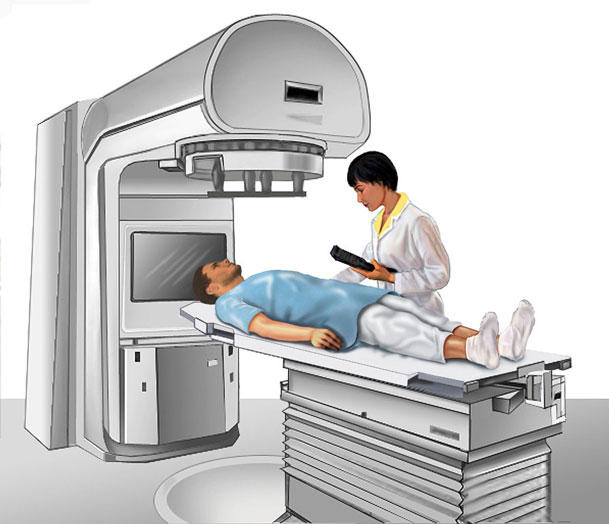

Radiation for Breast Cancer: What Patients Need to Know. Radiation therapy is an important part of treatment for many people with breast cancer. It can reduce the risk that breast cancer will return in the breast, chest wall, or nearby lymph nodes after surgery.
But radiation is not automatically necessary for every breast cancer patient.
Whether you need radiation—and exactly how much—depends on factors including the type and stage of breast cancer, tumor size, lymph-node involvement, surgical margins, age, other treatments, and whether you had breast-conserving surgery or a mastectomy.
This guide explains what breast cancer patients should know before making decisions about radiation therapy.
Bottom line: Radiation can substantially reduce the risk of local breast cancer recurrence, but modern radiation therapy is increasingly individualized. Many patients can receive effective treatment in substantially fewer visits than the traditional 5–6 week schedule.
I am a long-term survivor of an incurable blood cancer called multiple myeloma.
Radiation therapy worked well for me but resulted in several long-term side effects. My point is that cancer patients should understand the risks and benefits of radiation therapy in addition to evidence-based, non-conventional therapies that can reduce the risk of side effects.
My research and experience with evidence-based non-conventional therapies are the reason why I have lived in complete remission from my incurable blood cancer since achieving complete remission in early 1999. I have learned that the best way to manage cancer is to combine the best of conventional and evidence-based non-conventional therapies.
I have come to believe that therapy-induced side effects can be life-threatening while ruining quality of life. Consider therapies shown to reduce possible side effects.
Scroll down the page and post a question or a comment if there’s anything you’d like to know about radiation for breast cancer.
Good luck,
David Emerson
Breast Cancer Radiation: The Real Nerve & Skin Side Effects
Concepts Central to Managing Your Cancer-
- Integrative Oncology: Combining Conventional and Natural Cancer Therapies
- Complementary Cancer Therapies: Evidence-based
- Managing Cancer Treatment Side Effects: An Evidence-Based Guide to Prevention, Relief, and Recovery
- Breast Cancer and Financial Toxicity: What Patients Need to Know
Possible Therapies
- Radiation for Cancer: What Patients Need to Know
- Breast Cancer Surgery: What Patients Need to Know
- Chemotherapy for Breast Cancer: What Patients Need to Know
- Immunotherapy for Cancer: What Patients Need to Know Before, During, and After Treatment
- AC Chemotherapy (Adriamycin + Cyclophosphamide): What Patients Need to Know
- Can Some Women With Early Breast Cancer Safely Skip Radiation?
What Is Radiation Therapy for Breast Cancer?
Radiation therapy uses high-energy radiation to damage the DNA of cancer cells so that they cannot continue growing and dividing.
For breast cancer, radiation is generally a local treatment. Unlike chemotherapy or some systemic therapies, it is directed at a specific area of the body.
Radiation may be directed at:
- The entire breast
- Part of the breast
- The chest wall after mastectomy
- Nearby lymph nodes
- A specific area where cancer has returned
- Areas of metastatic breast cancer causing symptoms, such as painful bone metastases
The most common approach is external-beam radiation therapy, in which a machine outside the body delivers precisely planned radiation to the treatment area.
When Is Radiation Used for Breast Cancer?
Radiation is commonly recommended after breast-conserving surgery (lumpectomy) because it reduces the risk of cancer returning in the treated breast.
For some patients, radiation is also recommended after a mastectomy, particularly when there is a higher risk of recurrence.
Factors that may lead doctors to recommend post-mastectomy radiation include:
- Cancer involving lymph nodes
- A large primary tumor
- Cancer involving certain surgical margins
- Other features suggesting a higher risk of locoregional recurrence
The decision is individualized.
The 2025 ASTRO/ASCO/SSO post-mastectomy guideline specifically addresses when radiation should be used after mastectomy, including patients who receive chemotherapy or other systemic treatment before surgery.
ASTRO/ASCO/SSO Post-Mastectomy Radiation Therapy Guideline
Radiation After Lumpectomy
For many people with early-stage breast cancer, treatment consists of:
Lumpectomy → radiation → additional systemic therapy when indicated
Radiation after breast-conserving surgery is intended to eliminate microscopic cancer cells that may remain in the breast.
Radiation can therefore reduce the chance of an ipsilateral breast recurrence.
However, not every person who undergoes lumpectomy necessarily needs radiation.
Some older patients with very favorable, hormone-receptor-positive breast cancers may be candidates for radiation omission after discussion with their oncology team.
That decision should be based on the patient’s individual recurrence risk rather than simply age.
Radiation After Mastectomy
A common misconception is:
“If I had a mastectomy, I don’t need radiation.”
That isn’t necessarily true.
Mastectomy removes the breast, but microscopic cancer cells can remain in the chest wall or regional lymph nodes.
Post-mastectomy radiation may therefore be recommended when the risk of locoregional recurrence is sufficiently high.
Whole-Breast Radiation vs. Partial-Breast Radiation
Radiation doesn’t always have to treat the entire breast.
Whole-breast radiation
Whole-breast irradiation treats the entire breast after breast-conserving surgery.
It has traditionally been delivered over several weeks.
Partial-breast radiation
Partial-breast irradiation treats the area surrounding the original tumor rather than the entire breast.
This approach is based on the observation that many early breast cancer recurrences occur near the original tumor site.
The 2023/2024 ASTRO guideline supports partial-breast irradiation as an alternative to whole-breast radiation for appropriately selected patients with early-stage invasive breast cancer or ductal carcinoma in situ (DCIS).
Patient selection matters.
For example, partial-breast radiation is more strongly supported for certain patients with favorable features such as:
- Older age
- Small tumors
- Negative lymph nodes
- Favorable tumor biology
- Estrogen-receptor-positive disease
- Lower tumor grade
It may not be appropriate for everyone.
ASTRO Partial Breast Irradiation Guideline
How Long Does Breast Radiation Take?
One of the biggest changes in breast radiation has been the move toward hypofractionation—using a larger dose per treatment over fewer treatment sessions.
Traditional radiation could require approximately 5–6 weeks of weekday treatments.
Clinical trials have demonstrated that shorter courses can provide comparable cancer control for appropriately selected patients.
For example, a randomized trial published in the New England Journal of Medicine found that a 3-week hypofractionated regimen was not inferior to a conventional 5-week regimen in women with early breast cancer who had undergone breast-conserving surgery.
Five treatments over one week
The FAST-Forward trial went further.
It compared:
- 40 Gy in 15 treatments over 3 weeks
- 27 Gy in 5 treatments over 1 week
- 26 Gy in 5 treatments over 1 week
Five-year results showed that appropriately selected patients could receive 26 Gy in five fractions over one week without compromising local cancer control compared with the 3-week regimen.
Importantly, the trial has now reported 10-year outcomes, providing additional reassurance about the durability of the one-week approach.
That does not mean everyone with breast cancer should receive five treatments.
Treatment duration depends on the cancer, the area being treated, whether lymph nodes require radiation, surgical factors, reconstruction, and the radiation oncologist’s treatment plan.
Time Burden of Breast Cancer Stage 1,2
What Happens During a Radiation Treatment?
External-beam breast radiation is generally an outpatient procedure.
Before treatment begins, you will undergo a planning appointment called a simulation.
During simulation, the radiation team determines:
- Exactly where the radiation should be directed
- The appropriate radiation dose
- How to position your body
- How to minimize radiation exposure to nearby organs
- Whether special breathing techniques should be used
The treatment itself is generally painless.
You lie on a treatment table while the radiation machine moves around you and delivers the planned radiation.
The actual radiation delivery usually takes only a few minutes, although positioning and setup take longer.
Deep Inspiration Breath Hold: Protecting the Heart
Patients with left-sided breast cancer should ask whether a technique called deep inspiration breath hold (DIBH) is appropriate.
During DIBH, the patient takes and holds a deep breath while radiation is delivered.
The expanded lungs can move the heart farther away from the breast/chest wall, potentially reducing radiation exposure to the heart.
This is particularly important because older studies established that radiation exposure to the heart can increase the long-term risk of ischemic heart disease.
A landmark study published in The New England Journal of Medicine found that the risk of major coronary events increased with the mean radiation dose delivered to the heart.
Modern radiation technology has substantially improved the ability to limit cardiac exposure, and the risk associated with contemporary treatment is generally lower than with many older radiation techniques.
Nevertheless, heart protection remains an important treatment-planning issue.
Patients with existing cardiovascular disease or significant cardiovascular risk factors should specifically discuss this issue with their radiation oncologist.
Radiation and the Heart: An Important Long-Term Question
Radiation can affect the heart when part of the heart receives radiation during treatment.
Potential late effects include:
- Coronary artery disease
- Heart attack
- Abnormal heart rhythms
- Heart-valve problems
- Other cardiovascular complications
The risk depends heavily on the radiation dose received by the heart and the patient’s underlying cardiovascular risk.
The landmark Darby study found that the risk of major coronary events increased approximately 7.4% for each additional Gy of mean heart radiation exposure. The study involved women treated between 1958 and 2001, so its results should not simply be applied to modern radiation techniques.
This is an important distinction:
The study demonstrates that cardiac radiation exposure matters. It does not mean that modern breast radiation carries the same cardiac risk as radiation delivered decades ago.
Modern planning techniques are specifically designed to minimize unnecessary exposure to the heart.
Cancer Treatment and Your Heart: The Hidden Side Effect Every Patient Should Understand.
What Are the Short-Term Side Effects?
Radiation affects some normal cells as well as cancer cells.
Common short-term side effects include:
Fatigue
Fatigue is one of the most common radiation side effects.
It may gradually increase during treatment and improve after treatment ends.
Skin changes
The treated skin may develop:
- Redness
- Dryness
- Darkening
- Itching
- Sensitivity
- Peeling
The reaction can resemble a sunburn.
People with darker skin may experience pigmentation changes rather than the classic red appearance.
Breast swelling
The breast may become:
- Swollen
- Tender
- Heavy
- Achy
These changes generally improve after treatment, although some breast tissue changes can persist.
Long-Term Side Effects of Breast Radiation
Most patients do not experience severe long-term complications, but late effects are important to understand.
Potential long-term effects include:
- Persistent breast firmness
- Changes in breast size or shape
- Skin changes
- Breast tenderness
- Lymphedema
- Rib fracture, rarely
- Lung inflammation or injury, rarely
- Heart complications
- Nerve injury involving the arm, rarely
- Very rarely, a radiation-associated second cancer
The National Cancer Institute notes that late effects can appear months or years after treatment.
The American Cancer Society similarly notes that modern radiation techniques have reduced exposure to nearby organs, making serious heart and lung complications less common than they were in the past.
Radiation and Lymphedema
Radiation can contribute to lymphedema, particularly when lymph nodes are treated.
The risk can be greater when radiation is combined with lymph-node surgery.
Watch for:
- Swelling of the arm
- Swelling of the hand
- Tightness
- Heaviness
- Changes in skin texture
- Reduced range of motion
Early evaluation is worthwhile because lymphedema is generally easier to manage when identified early.
Does Radiation Cause Cancer?
Radiation damages DNA—which is precisely why it can destroy cancer cells.
That also means there is a theoretical risk that radiation could contribute to a future second cancer.
However, radiation-associated second cancers are rare, and the potential risk must be weighed against the benefit of reducing the risk of breast cancer recurrence.
The NCI identifies second cancers as a possible but uncommon late effect of breast radiation.
Radiation and Breast Reconstruction
If you are considering breast reconstruction, radiation can be an important part of the surgical decision.
Radiation may affect:
- Implant healing
- Skin quality
- Scar tissue
- Breast shape
- Reconstruction complications
If you are having a mastectomy and considering reconstruction, ask the breast surgeon, plastic surgeon, and radiation oncologist to coordinate the treatment plan before surgery.
Does Radiation Affect Fertility?
Breast radiation generally does not directly expose the ovaries to the radiation dose used to treat the breast.
However, breast cancer treatment frequently involves other therapies—including chemotherapy and endocrine therapy—that can affect fertility.
Patients who may want future pregnancies should discuss fertility preservation before starting systemic cancer treatment.
What About Radiation During Chemotherapy or Hormone Therapy?
Breast cancer treatment often combines several therapies.
Depending on the cancer, treatment may include:
- Surgery
- Radiation
- Chemotherapy
- Endocrine therapy
- HER2-targeted therapy
- Immunotherapy
- Other targeted therapies
Radiation is often scheduled after chemotherapy, although some systemic treatments can be given concurrently.
The exact sequence should be individualized by the oncology team.
Questions to Ask Your Radiation Oncologist
Before beginning radiation, consider asking:
- Why do I need radiation?
- How much does radiation reduce my risk of recurrence?
- What is my recurrence risk without radiation?
- What is my recurrence risk with radiation?
- Do I need whole-breast or partial-breast radiation?
- Do my lymph nodes need radiation?
- How many treatments will I need?
- Am I a candidate for a five-treatment regimen?
- Will I need a tumor-bed boost?
- What are my short-term side effects likely to be?
- What are my long-term risks?
- How much radiation will my heart receive?
- How much radiation will my lungs receive?
- Can deep inspiration breath hold reduce my heart exposure?
- Will radiation affect a future breast reconstruction?
- What can I do to protect my skin during treatment?
- How will you monitor me for lymphedema?
- What symptoms should cause me to call the radiation oncology team?
Perhaps the most important question is:
“What is the expected benefit of radiation in my particular case, and what are the alternatives?”
Radiation for Breast Cancer: The Bigger Picture
Radiation therapy has changed dramatically.
Older radiation treatments could require many weeks of treatment and exposed larger areas of normal tissue.
Today’s radiation oncology uses sophisticated imaging, treatment planning, intensity modulation, positioning techniques, and breathing techniques to concentrate radiation where it is needed while limiting exposure to nearby organs.
At the same time, clinical trials have demonstrated that many patients can safely receive fewer radiation treatments.
The result is a more individualized approach:
The goal is not simply to give more radiation. The goal is to give the right radiation—to the right area, at the right dose, for the right patient.
For breast cancer patients, that means asking not only “Do I need radiation?“ but also:
“What type of radiation gives me the greatest potential benefit with the least potential harm?”
PeopleBeatingCancer Evidence Rating
Evidence Rating: Strong
Radiation therapy for appropriately selected breast cancer patients is supported by decades of randomized clinical trials and clinical practice guidelines.
Particularly strong evidence supports:
- Radiation after breast-conserving surgery for appropriate patients
- Hypofractionated whole-breast radiation
- Shorter radiation schedules for appropriately selected patients
- Partial-breast radiation for selected early-stage breast cancers
- Individualized post-mastectomy radiation
- Modern techniques designed to reduce exposure to the heart and lungs
The evidence is less straightforward when considering whether an individual patient can safely omit radiation or which shortened regimen is best for a particular cancer.
Those decisions require individualized assessment.
Research and Evidence
National Cancer Institute — Radiation for Breast Cancer
NCI: Radiation for Breast Cancer
American Cancer Society — Radiation for Breast Cancer
American Cancer Society: Radiation for Breast Cancer
ASTRO — Partial Breast Irradiation Guideline
ASTRO Partial Breast Irradiation Guideline
ASTRO/ASCO/SSO — Post-Mastectomy Radiation Therapy Guideline
ASTRO Post-Mastectomy Radiation Therapy Guideline
Whelan et al., NEJM — Long-Term Results of Hypofractionated Radiation Therapy for Breast Cancer
PubMed: Hypofractionated Radiation Therapy for Breast Cancer
Brunt et al., FAST-Forward — Five-year results
PubMed: FAST-Forward Breast Radiotherapy Trial
FAST-Forward — 10-year results
PubMed: FAST-Forward 10-Year Results
Darby et al., NEJM — Risk of Ischemic Heart Disease After Breast Cancer Radiotherapy
PubMed: Breast Cancer Radiotherapy and Ischemic Heart Disease
For a more comprehensive study of radiation for breast cancer:
Core breast cancer content
- Breast Cancer: What Patients Need to Know
- Chemotherapy for Breast Cancer: What Patients Need to Know
- Breast Cancer Surgery: What Patients Need to Know
Radiation cluster
- Radiation Side Effects: What Cancer Patients Need to Know
- Radiation-Induced Heart Disease
- Radiation-Induced Lung Damage
- Breast Cancer Hyperbaric Oxygen Therapy
- Radiation Therapy Skin Changes