

Our Mission
PeopleBeatingCancer supports an evidence-based integrative approach to cancer care. For most newly diagnosed patients, FDA-approved therapies form the foundation of treatment, while evidence-based complementary therapies may help reduce side effects and improve survivorship.
Click the orange button to the right to learn more.
- You are here:
- Home »
- Blog »
- Lung Cancer »
- Radiation for Lung Cancer: What Patients Need to Know
Radiation for Lung Cancer: What Patients Need to Know
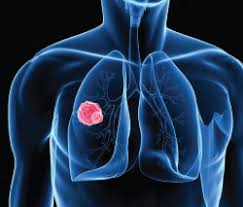

Radiation for Lung Cancer: What Patients Need to Know. Radiation therapy is one of the most important treatments for lung cancer. Depending on the type, stage, location, and biology of the cancer, radiation may be used instead of surgery, before or after surgery, together with chemotherapy, to treat lymph nodes, to treat metastatic disease, or to relieve symptoms.
For some people with early-stage non-small cell lung cancer (NSCLC), highly focused radiation called stereotactic body radiation therapy (SBRT) can provide a potentially curative treatment without removing part of the lung.
For patients with locally advanced disease, radiation may be combined with chemotherapy and immunotherapy. Research has shown that radiation can enhance the efficacy of immunotherapy in lung cancer.
For people with small cell lung cancer (SCLC), radiation has an important role because SCLC is particularly sensitive to radiation and tends to spread early.
Radiation can be extremely effective—but it can also injure healthy lung tissue, the esophagus, heart, and other nearby organs.
The important question isn’t simply:
“Should I have radiation?”
It is:
“What role should radiation play in my particular lung cancer treatment plan, and how can we maximize cancer control while minimizing damage to healthy tissue?”
Yes, radiation can be effective for lung cancer treatment, but it is a double-edged sword in my experience. Meaning, radiation can kill lung cancer, but it can cause short-term, long-term, and late-stage side effects. Years of research have taught me that there are many evidence-based therapies shown to reduce or even eliminate radiation-induced side effects.
I am a long-term survivor of an incurable blood cancer called multiple myeloma. Radiation therapy helped me tremendously. But it also caused serious long-term side effects that I struggle with to this day.
My research and experience with evidence-based non-conventional therapies is the reason why I have lived in complete remission from my incurable blood cancer since achieving complete remission in early 1999. I have learned that the best way to manage cancer is to combine the best of conventional and evidence-based non-conventional therapies.
I have come to believe that therapy-induced side effects can be life-threatening while ruining quality of life. Consider therapies shown to reduce possible side effects.
Scroll down the page and post a question or a comment if there’s anything you’d like to know about breast cancer.
Good luck,
David Emerson
Concepts Central to Managing Your Cancer
- Integrative Oncology: Combining Conventional and Natural Cancer Therapies
- Complementary Cancer Therapies: Evidence-based
- Managing Cancer Treatment Side Effects: An Evidence-Based Guide to Prevention, Relief, and Recovery
- Black Americans and Lung Cancer: Disparities, Treatment and What Patients Need to Know
- Cancer Financial Toxicity: Costs, Medical Debt, Insurance, Financial Assistance, and Survivorship
Lung Cancer Need-to-Know
- Lung Cancer and Pain: What Patients and Survivors Need to Know
- Chemoradiation for Lung Cancer: Why Chemotherapy and Radiation Work Better Together
- Early Lung Cancer: SBRT if Surgery is Not an Option
Key Takeaways
- Radiation therapy uses high-energy radiation to damage cancer-cell DNA.
- Radiation can be used with curative or palliative intent.
- SBRT can be an important treatment for selected early-stage NSCLC patients, particularly those who cannot safely undergo surgery.
- Radiation is frequently combined with chemotherapy for locally advanced NSCLC and limited-stage SCLC.
- Radiation can treat lung tumors, lymph nodes, brain metastases, bone metastases, and other sites of metastatic disease.
- Modern radiation techniques can substantially improve precision and reduce exposure of nearby healthy tissue.
- Radiation pneumonitis is an important potential complication of radiation to the chest.
- Some radiation-related lung damage can appear months or even years after treatment.
- Patients should discuss previous radiation, chemotherapy, immunotherapy, smoking history, lung function, and other medical conditions with their radiation oncologist.
- Prehabilitation, physical activity, nutrition, smoking cessation, and careful management of side effects may help patients tolerate treatment and recover.
- A second opinion from an experienced radiation oncologist can be particularly valuable when treatment involves SBRT, reirradiation, a centrally located tumor, or complex stage III disease.
What Is Radiation Therapy?
Radiation therapy uses high-energy radiation to damage the DNA of cancer cells.
When radiation damages cancer-cell DNA beyond repair, those cells stop dividing and eventually die. The process is not instantaneous; cancer cells may continue dying for weeks or months after radiation treatment ends.
Unlike chemotherapy, radiation is generally a local treatment.
If radiation is directed at a lung tumor, the treatment is concentrated on the tumor and surrounding tissues rather than exposing the entire body to the treatment.
Modern radiation oncology uses sophisticated imaging and treatment-planning technologies to determine exactly where radiation should be delivered.
Why Is Radiation Used for Lung Cancer?
There are several reasons your oncologist may recommend radiation.
Radiation may be used to:
- Treat early-stage lung cancer
- Replace surgery in selected patients
- Shrink a tumor before another treatment
- Treat cancer remaining after surgery
- Treat cancer in lymph nodes
- Treat locally advanced lung cancer
- Treat brain metastases
- Treat bone metastases
- Relieve pain
- Reduce bleeding
- Relieve pressure caused by a tumor
- Improve breathing or other cancer-related symptoms
- Treat a limited number of metastatic sites
- Treat cancer that has returned after previous treatment
The goal is therefore not always the same.
Radiation can be intended to cure cancer, reduce the risk of recurrence, control cancer, or relieve symptoms.
Ask your radiation oncologist:
“Is the goal of my radiation treatment to cure my cancer, reduce recurrence risk, control my cancer, or relieve symptoms?”
That answer changes how you should evaluate the treatment.
Radiation for Non-Small Cell Lung Cancer
Non-small cell lung cancer accounts for the majority of lung cancers.
The role of radiation depends heavily on the stage and location of the cancer.
Early-Stage NSCLC
Surgery is an important treatment for many people with early-stage NSCLC.
But surgery isn’t appropriate for everyone.
A patient may have:
- Poor lung function
- Significant heart disease
- Other serious medical conditions
- A tumor in a difficult location
- High surgical risk
- A preference to avoid surgery
For appropriately selected patients, SBRT can provide a highly focused, potentially curative radiation treatment.
The National Cancer Institute specifically identifies SBRT as an external-beam radiation approach used to deliver relatively high doses of radiation to a tumor over a limited number of treatments.
The American Society for Radiation Oncology (ASTRO) has published guidelines addressing SBRT for early-stage NSCLC, including its use in medically inoperable patients and difficult tumor locations.
SBRT Is Not Simply “Regular Radiation Given Faster”
SBRT uses:
- Highly accurate imaging
- Precise patient positioning
- Sophisticated treatment planning
- Multiple radiation beams or treatment angles
- Larger doses per treatment
- Fewer treatment sessions
The objective is to deliver a concentrated radiation dose to the tumor while limiting exposure to surrounding healthy tissue.
Can Radiation Replace Lung Cancer Surgery?
Sometimes.
This is an important question because some lung cancer patients assume:
“If I can’t have surgery, there isn’t a curative option.”
That isn’t necessarily true.
For selected patients with early-stage NSCLC who are medically inoperable, SBRT can be an important treatment option.
Your decision should be based on:
- Tumor size
- Tumor location
- Cancer stage
- Lymph-node status
- Lung function
- Heart function
- Other medical conditions
- Surgical risk
- Previous treatments
- Your preferences
Lung Cancer Surgery: What Patients Need to Know article is an excellent companion to this discussion.
An important question
If surgery has been recommended, ask:
“Would SBRT be a reasonable alternative in my particular case?”
If radiation has been recommended, ask:
“Why is radiation preferable to surgery for me?”
You don’t necessarily need to choose one or the other—but you should understand why your team prefers one approach.
Radiation for Stage II and Stage III NSCLC
Radiation becomes particularly important when NSCLC has spread into nearby lymph nodes or structures but has not widely metastasized.
For some patients with locally advanced NSCLC, radiation is combined with chemotherapy.
This is called chemoradiation.
Chemotherapy can treat cancer cells throughout the body while radiation concentrates treatment on the known tumor and regional disease.
The combination can be more toxic than either treatment alone, however.
Potential problems include:
- Fatigue
- Esophagitis
- Difficulty swallowing
- Reduced appetite
- Weight loss
- Radiation pneumonitis
- Suppression of blood counts
- Dehydration
- Lung inflammation
The treatment decision therefore involves balancing potential cancer-control benefits against toxicity.
Chemotherapy for Lung Cancer: What Patients Need to Know – chemotherapy and radiation are frequently considered together in locally advanced lung cancer.
Radiation for Small Cell Lung Cancer
Small cell lung cancer is different from NSCLC.
SCLC tends to grow rapidly and spread early, but it is also particularly sensitive to radiation.
For limited-stage SCLC, chemotherapy and thoracic radiation are an important part of standard treatment.
The NCI reports that combined chemotherapy and thoracic radiation improves long-term survival compared with chemotherapy alone and remains a central treatment approach for limited-stage disease.
Radiation may also be used in extensive-stage SCLC in selected circumstances.
For example, radiation can be used to treat:
- Symptomatic chest disease
- Brain metastases
- Bone metastases
- Epidural disease
- Other symptomatic metastatic sites
What Is Prophylactic Cranial Irradiation?
Small cell lung cancer has a strong tendency to spread to the brain.
In selected patients who respond well to initial treatment, doctors may discuss prophylactic cranial irradiation (PCI).
PCI means treating the brain with radiation even though there is no known brain metastasis.
The purpose is to reduce the likelihood of cancer subsequently appearing in the brain.
The NCI notes that prophylactic cranial irradiation can reduce central nervous system recurrence and may improve survival in appropriately selected patients with SCLC who respond to initial treatment.
This is an area where the decision should be individualized.
Ask:
“What is my risk of brain metastases without PCI?”
and
“What are the potential long-term cognitive and neurologic risks of PCI in my situation?”
Radiation for Metastatic Lung Cancer
Radiation isn’t limited to the primary lung tumor.
If lung cancer spreads, radiation may be used to treat individual metastatic tumors.
Common examples include:
Brain metastases
Stereotactic radiosurgery or other highly focused radiation can treat selected brain metastases.
Bone metastases
Radiation can be highly effective for painful bone metastases.
Spinal metastases
Radiation may help control cancer threatening the spinal cord or causing pain.
Chest tumors
Thoracic radiation may relieve:
- Shortness of breath
- Cough
- Bleeding
- Pain
- Pressure from a tumor
Radiation used primarily to relieve symptoms is called palliative radiation.
Palliative treatment does not mean that doctors are “giving up.”
The goal is to improve quality of life and reduce symptoms caused by cancer.
What Happens Before Lung Cancer Radiation?
Radiation treatment begins with planning.
You may undergo:
- CT imaging
- PET/CT imaging
- MRI
- Pulmonary-function testing
- Blood tests
- Review of previous treatments
- Assessment of your overall health
A planning CT is commonly used to map the tumor and surrounding organs.
The radiation oncologist then determines:
- What tissue needs treatment
- How much radiation should be delivered
- How many treatments are necessary
- Which organs need protection
- How the radiation beams should be positioned
The goal is to create a treatment plan that provides an effective dose to the cancer while minimizing radiation to healthy organs.
How Many Radiation Treatments Will I Need?
There is no single answer.
Treatment schedules vary enormously.
Depending on the situation, radiation might involve:
- A single treatment
- A few treatments
- Approximately 1–2 weeks of treatment
- Several weeks of daily treatment
- A more complex chemoradiation schedule
SBRT generally uses substantially fewer treatment sessions than conventional radiation.
The appropriate schedule depends on:
- Cancer type
- Stage
- Tumor size
- Tumor location
- Treatment goal
- Nearby organs
- Previous radiation
- Other treatments
Ask your radiation oncologist:
“Why did you choose this particular dose and number of treatments?”
Does Radiation Hurt?
The radiation treatment itself generally does not hurt.
You won’t feel the radiation as it is being delivered.
The treatment machine may make noises and rotate around you, but the radiation itself is not something you can feel.
Side effects generally develop because radiation affects healthy tissue in or near the treatment field.
Common Side Effects of Radiation for Lung Cancer
Side effects vary substantially from one person to another.
They also depend on the area treated and whether radiation is combined with chemotherapy or immunotherapy.
The NCI identifies fatigue as one of the most common radiation-related side effects.
For lung cancer patients, possible side effects include:
Fatigue
Radiation fatigue may gradually increase during treatment.
It can persist for some time after treatment ends.
Esophagitis
Radiation near the esophagus can cause:
- Painful swallowing
- Difficulty swallowing
- Heartburn-like symptoms
- Chest discomfort
Cough
Radiation can irritate lung tissue and cause coughing.
Shortness of breath
Changes in lung tissue can sometimes affect breathing.
Skin changes
Radiation passing through the skin may cause:
- Redness
- Dryness
- Irritation
- Darkening
- Sensitivity
Appetite and weight loss
Difficulty swallowing, fatigue, nausea, or changes in appetite may make it difficult to maintain adequate nutrition.
The NCI recommends discussing nutritional problems with your cancer team and considering consultation with a dietitian when necessary.
Radiation Pneumonitis: An Important Lung Cancer Side Effect
One of the most important complications to understand is radiation pneumonitis.
Radiation pneumonitis is inflammation of lung tissue following radiation.
Symptoms can include:
- Dry cough
- Shortness of breath
- Fever
- Chest discomfort
- Reduced exercise tolerance
The symptoms can resemble:
- Lung cancer progression
- Infection
- Heart problems
- Other forms of lung disease
This is why new respiratory symptoms after chest radiation should not simply be assumed to be “normal.”
Contact your oncology team if you develop new or worsening:
shortness of breath, cough, fever, chest pain, or reduced ability to exercise.
Treatment may be necessary depending on the severity and cause.
Radiation Fibrosis and Long-Term Lung Damage
Radiation injury doesn’t always end when radiation treatment ends.
Some patients develop radiation fibrosis, in which lung tissue becomes scarred.
The NCI notes that chemotherapy and radiation to the chest can damage the lungs and that some lung problems may not become apparent until years after treatment.
Possible late symptoms include:
- Persistent cough
- Shortness of breath
- Wheezing
- Reduced exercise tolerance
- Fatigue
This is one reason cancer survivorship should include attention to lung health.
Not every patient develops significant radiation-related lung damage.
Modern treatment planning is specifically designed to reduce unnecessary radiation exposure to healthy lung tissue.
Radiation and the Heart
The heart can sometimes receive radiation during treatment of tumors in the chest.
Depending on the location and dose, radiation exposure may contribute to long-term cardiovascular problems.
Patients with pre-existing cardiovascular risk factors should discuss this with their oncology team.
Cancer Treatment and Your Heart: The Hidden Side Effect Every Patient Should Understand summarizes my experience with how therapy can damage the patient’s heart.
A useful question is:
“How much radiation will my heart receive, and what steps are being taken to minimize it?”
Radiation Plus Immunotherapy
Modern lung cancer treatment increasingly involves combinations of therapies.
Radiation may be used before, during, or after immunotherapy depending on the type and stage of lung cancer.
This makes it important to tell your radiation oncologist about:
- Pembrolizumab (Keytruda)
- Nivolumab (Opdivo)
- Atezolizumab (Tecentriq)
- Durvalumab (Imfinzi)
- Other immune checkpoint inhibitors
Radiation and immunotherapy can each affect the lungs.
Therefore, a new cough or shortness of breath may require careful evaluation to distinguish among:
- Radiation pneumonitis
- Immune-related pneumonitis
- Infection
- Cancer progression
- Other lung disease
Immunotherapy for Cancer: What Patients Need to Know summarizes immunotherapy regimens as cancer therapy.
Can You Exercise During Lung Cancer Radiation?
For many patients, some level of physical activity is possible—and potentially beneficial.
The appropriate amount depends on:
- Baseline fitness
- Lung function
- Cancer stage
- Treatment intensity
- Symptoms
- Other medical conditions
Walking, resistance exercise, breathing exercises, and other appropriately supervised activities may help preserve physical function.
Don’t wait until treatment ends to ask about exercise.
Ask:
“Can you refer me to a physical therapist or cancer rehabilitation specialist who can design an exercise program around my radiation treatment?”
Consider Lung Cancer Prehabilitation
One of the most useful strategies may be to improve your physical condition before treatment begins.
This is called prehabilitation or “prehab.” Lung Cancer Prehabilitation explains this therapy for lung cancer.
Prehabilitation may include:
- Exercise
- Strength training
- Nutrition
- Sleep
- Stress management
- Smoking cessation
- Respiratory rehabilitation
- Psychological support
The evidence for cancer prehabilitation is strongest in some surgical settings, and research specifically addressing radiation continues to develop.
But improving physical function and nutritional status before treatment is a reasonable topic to discuss with your cancer team.
Should You Stop Smoking Before Radiation?
If you smoke, quitting is one of the most important things you can do for your health.
Smoking can affect lung function, cardiovascular health, treatment tolerance, and cancer outcomes.
It is never too late to quit.
Ask your cancer team about:
- Nicotine replacement
- Prescription medications
- Behavioral counseling
- Smoking cessation programs
The Fourth Pillar of Cancer Treatment: Why Quitting Smoking May Help Surgery, Chemotherapy, Radiation, and Immunotherapy Work Better outlines benefits for quitting smoking.
What About Supplements During Radiation?
This deserves caution.
Patients understandably want to do everything possible to protect healthy tissue during treatment.
But supplements are not automatically harmless simply because they are “natural.”
High-dose antioxidant supplementation during radiation remains controversial because radiation partly works through oxidative damage to cancer cells.
There is not enough evidence to recommend that patients routinely take high-dose antioxidant supplements during radiation.
Before starting or stopping any supplement, tell your:
- Radiation oncologist
- Medical oncologist
- Oncology pharmacist
about everything you take.
That includes:
- Vitamins
- Minerals
- Herbal products
- Antioxidants
- IV supplements
- “Cancer supplements”
- Over-the-counter products
What Can Patients Do to Reduce Radiation Side Effects?
There is no guaranteed way to prevent every radiation side effect. However, prehabilitation and nutrition to enhance the patient’s gut microbiome have been shown to reduce toxicity and side effects.
- prehabilitation
- Enhancing your gut microbiome
But patients can take an active role in their care.
Consider:
Before treatment
- Optimize nutrition
- Maintain physical activity
- Stop smoking
- Address dental and oral health when relevant
- Review medications and supplements
- Ask about pulmonary rehabilitation
- Ask about prehabilitation
- Understand expected side effects
During treatment
- Maintain adequate calories and protein
- Stay hydrated
- Remain physically active as tolerated
- Report symptoms early
- Follow skin-care instructions
- Tell your team about swallowing problems
- Monitor weight
After treatment
- Continue exercise
- Maintain good nutrition
- Attend follow-up appointments
- Report new respiratory symptoms
- Monitor for late effects
- Ask whether pulmonary-function testing is appropriate
The NCI emphasizes that side effects vary among individuals and that patients should communicate problems to their healthcare team rather than simply trying to tolerate them.
Questions to Ask Your Radiation Oncologist
Before agreeing to radiation, consider asking:
About the cancer
- What type of lung cancer do I have?
- What is my exact stage?
- Where is the tumor located?
- Are my lymph nodes involved?
- Has the cancer spread anywhere else?
About the treatment
- What is the goal of radiation?
- Is radiation intended to cure my cancer?
- Is SBRT appropriate for me?
- Why is radiation preferable to surgery?
- Could surgery and radiation produce different outcomes?
- How many radiation treatments will I need?
- What dose will I receive?
About safety
- How much radiation will my healthy lung receive?
- How much radiation will my heart receive?
- How much radiation will my esophagus receive?
- What is my risk of radiation pneumonitis?
- What symptoms should cause me to call immediately?
About other treatments
- Will I receive chemotherapy at the same time?
- Will I receive immunotherapy?
- Could radiation interact with my immunotherapy?
- Do I need radiation before or after surgery?
About long-term health
- What late effects should I watch for?
- How will my lung function be monitored?
- Could radiation affect my heart?
- How long will I need follow-up?
About a second opinion
- Would you recommend that I get a second radiation-oncology opinion?
- How often do you treat my particular type and location of lung tumor?
- How frequently do you use SBRT for tumors like mine?
When Should You Call Your Cancer Team?
Do not assume that new symptoms after radiation are simply normal treatment side effects.
Contact your cancer team promptly if you develop:
- New or worsening shortness of breath
- Persistent or worsening cough
- Fever
- Chest pain
- Difficulty swallowing
- Significant weight loss
- Severe weakness
- New oxygen requirement
- Coughing up blood
Some of these symptoms may require urgent evaluation.
Radiation for Lung Cancer: The Bigger Picture
Radiation should not be considered in isolation.
Modern lung cancer treatment increasingly involves combinations of:
Surgery + chemotherapy + immunotherapy + targeted therapy + radiation + supportive care
The appropriate combination depends on the individual patient.
That is why a multidisciplinary lung cancer team can be so valuable.
The central questions should be:
- What is the goal of treatment?
- Which treatments offer the greatest probability of achieving that goal?
- How can we minimize treatment-related damage while preserving quality of life?
Those questions are often more useful than simply asking:
“What is the standard treatment?”
PeopleBeatingCancer Evidence Rating
Radiation for Lung Cancer
Evidence Rating: 🟢 Strong
Radiation therapy is an established, evidence-based treatment for lung cancer.
There is strong evidence supporting its use in appropriately selected patients with:
- Early-stage NSCLC
- Medically inoperable NSCLC
- Locally advanced NSCLC
- Limited-stage SCLC
- Brain metastases
- Bone metastases
- Other symptomatic metastatic disease
The strength of evidence varies according to the specific clinical situation.
For example, SBRT has strong evidence and guideline support for selected early-stage NSCLC patients, while the optimal role of radiation in some metastatic and recurrent settings continues to be refined. ASTRO and other professional organizations continue to update recommendations as clinical trials mature.
The most important distinction is therefore not:
“Does radiation work?”
It does.
The more important question is:
“Does radiation provide enough benefit in my particular situation to justify its potential short- and long-term risks?”
Research and Evidence
National Cancer Institute
The NCI provides continually updated information on treatment of both NSCLC and SCLC.
- NCI: Non-Small Cell Lung Cancer Treatment
- NCI: Small Cell Lung Cancer Treatment
- NCI: Radiation Therapy to Treat Cancer
- NCI: Radiation Therapy Side Effects
ASTRO’s clinical guidelines provide evidence-based recommendations regarding the use of radiation in lung cancer, including SBRT for early-stage NSCLC and treatment of oligometastatic NSCLC.
Lung Damage After Cancer Treatment
The NCI’s survivorship information discusses potential long-term lung damage after chest radiation and chemotherapy.