

Our Mission
PeopleBeatingCancer supports an evidence-based integrative approach to cancer care. For most newly diagnosed patients, FDA-approved therapies form the foundation of treatment, while evidence-based complementary therapies may help reduce side effects and improve survivorship.
Click the orange button to the right to learn more.
- You are here:
- Home »
- Blog »
- esophageal cancer »
- Esophageal Cancer: Reflux, Staging, Surgery & Recovery.
Esophageal Cancer: Reflux, Staging, Surgery & Recovery.
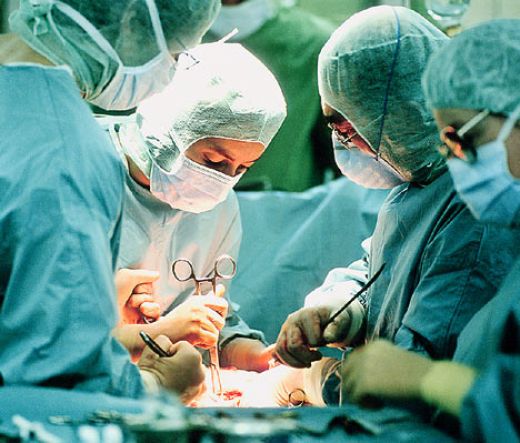

Esophageal Cancer: Reflux, Staging, Surgery & Recovery. Can acid reflux surgery prevent esophageal cancer? How accurately can doctors stage esophageal cancer before treatment? Is minimally invasive surgery safer than traditional open surgery?
These questions matter because esophageal cancer treatment can affect much more than survival. Surgery, chemotherapy, and radiation may influence swallowing, digestion, nutrition, energy, and long-term quality of life.
Fortunately, advances in diagnostic imaging, minimally invasive surgery, and multidisciplinary cancer care have improved the options available to patients.
However, patients should understand three important facts:
- Treating acid reflux does not guarantee protection against esophageal cancer.
- Esophageal cancer staging is essential, but no imaging test is perfectly accurate.
- Minimally invasive surgery may reduce certain complications, but it remains major surgery with potentially lifelong consequences.
This guide explains the evidence, the treatment options, and the questions patients and caregivers should consider before making decisions.
If you are newly diagnosed, learn more about esophageal cancer
I am a long-term survivor of an incurable blood cancer called multiple myeloma. My research and experience with evidence-based non-conventional therapies are the reason why I have lived in complete remission from my incurable blood cancer since achieving complete remission in early 1999. I have learned that the best way to manage cancer is to combine the best of conventional and evidence-based non-conventional therapies.
I have come to believe that therapy-induced side effects can be life-threatening while ruining quality of life. Consider therapies shown to reduce possible side effects.
Scroll down the page and post a question or a comment if there’s anything you’d like to know about esophageal cancer.
Good luck,
David Emerson
Concepts Central to Managing Your Cancer-
- Integrative Oncology: Combining Conventional and Natural Cancer Therapies
- Complementary Cancer Therapies: Evidence-based
- Managing Cancer Treatment Side Effects: An Evidence-Based Guide to Prevention, Relief, and Recovery
- Cancer Financial Toxicity: Costs, Medical Debt, Insurance, Financial Assistance, and Survivorship
- Esophageal Cancer Treatment and Recovery: Minimally Invasive Options, Nutrition & Quality of Life.
Possible Therapies-
- Keytruda® (Pembrolizumab) for Cancer: What Patients Need to Know
- Opdivo (Nivolumab) for Cancer: What Patients Need to Know
- Yervoy (Ipilimumab) for Cancer: What Patients Need to Know
- Cisplatin for Cancer: What Patients Need to Know
Can Acid Reflux Cause Esophageal Cancer?
Gastroesophageal reflux disease (GERD) occurs when stomach contents repeatedly flow backward into the esophagus. Over time, chronic acid exposure can cause inflammation and damage to the esophageal lining. Some patients develop Barrett’s esophagus, a condition in which the normal lining changes to a different type of tissue.
Barrett’s esophagus is associated with an increased risk of esophageal adenocarcinoma. However, most people with GERD never develop Barrett’s esophagus, and most people with Barrett’s esophagus never develop cancer.
Two major forms of esophageal cancer are:
- Adenocarcinoma: Often associated with chronic reflux, Barrett’s esophagus, and obesity.
- Squamous cell carcinoma: More strongly associated with smoking and alcohol consumption, among other risk factors.
Understanding the type of esophageal cancer is essential because the treatment strategies may differ.
Barrett’s Esophagus Becomes Esophageal Cancer
Does Acid Reflux Surgery Prevent Esophageal Cancer?
Antireflux surgery, including fundoplication, is designed to reduce the backward flow of stomach contents into the esophagus. For selected patients, surgery may improve reflux symptoms and reduce dependence on medications. But does it prevent cancer?
The evidence does not establish antireflux surgery as a reliable cancer-prevention treatment.
A large Nordic study published in Gastroenterology examined 33,939 patients with Barrett’s esophagus. Researchers compared patients who underwent antireflux surgery with patients who used antireflux medication. The investigators found no reduction in esophageal adenocarcinoma risk among surgical patients. The adjusted hazard ratio was 1.9, although this observational association does not establish that surgery causes cancer.
Research: Antireflux Surgery Versus Medication and Esophageal Cancer Risk
An earlier Nordic study involving more than 940,000 patients with GERD found that cancer risk declined over time in both medically and surgically treated patients. Surgery did not demonstrate superior cancer protection compared with medication.
Research: Risk of Esophageal Adenocarcinoma After Antireflux Surgery
What This Means for Patients
Antireflux surgery may be appropriate for treating GERD, but it should not be performed solely to prevent esophageal cancer. Patients with Barrett’s esophagus should discuss endoscopic surveillance with their gastroenterologist, even if their reflux symptoms improve after surgery. Surveillance frequency depends on factors including Barrett’s segment length, whether dysplasia is present, and prior treatment.
Patients with dysplasia may also be candidates for endoscopic eradication therapy.
Key takeaway: Controlling reflux symptoms and preventing cancer are related but different goals.
How Is Esophageal Cancer Diagnosed and Staged?
Once esophageal cancer is diagnosed through endoscopy and biopsy, physicians must determine how far the cancer has spread. This process is called staging. Staging helps determine whether a patient is a candidate for:
- Endoscopic treatment
- Surgery
- Chemotherapy before or around surgery
- Chemoradiation
- Immunotherapy in selected circumstances
- Symptom-directed or palliative treatment
The stage is generally described using the TNM system:
- T — Tumor: How deeply the cancer has invaded the esophageal wall or surrounding structures.
- N — Nodes: Whether nearby lymph nodes contain cancer.
- M — Metastasis: Whether the cancer has spread to distant organs.
Esophageal Cancer: Stage Dictates Prognosis
The Main Esophageal Cancer Staging Tests
| Test | Primary purpose | Important limitation |
|---|---|---|
| Upper endoscopy with biopsy | Confirm cancer diagnosis and tissue type | Cannot fully assess distant spread |
| Endoscopic ultrasound (EUS) | Evaluate tumor depth and regional lymph nodes | May miss microscopic disease or have difficulty distinguishing certain stages |
| CT scan | Evaluate anatomy and possible spread | Small lesions and lymph-node metastases may be missed |
| PET/CT | Detect metabolically active disease, particularly distant spread | Inflammation can produce false positives; small lesions may be missed |
| MRI | Provide additional soft-tissue information in selected situations | Not a routine replacement for standard staging |
| Diagnostic laparoscopy | Identify otherwise occult abdominal spread in selected patients | Invasive and not appropriate for every patient |
The National Cancer Institute identifies CT, PET/CT, and endoscopic ultrasound as major components of staging.
Research: NCI Esophageal Cancer Treatment and Staging
Why Accurate Lymph Node Staging Matters
Lymph nodes are small structures that help the immune system respond to infection and disease. Esophageal cancer can spread to nearby lymph nodes before distant metastases become apparent. Determining lymph-node involvement helps physicians choose between surgery alone, preoperative treatment followed by surgery, and other approaches. Endoscopic ultrasound may be combined with fine-needle aspiration to sample suspicious lymph nodes when appropriate.
Nevertheless, even modern staging can underestimate disease.
A 2026 International Society for Diseases of the Esophagus guideline emphasized the continuing limitations of preoperative staging, particularly for patients with clinical T2N0 disease.
Research: 2026 ISDE Guidelines on T2N0 Esophageal Cancer
Can MRI Improve Esophageal Cancer Staging?
MRI has attracted research interest because of its ability to produce detailed soft-tissue images. One investigational approach involved MRI with specialized iron-oxide contrast agents, including ferumoxtran-10, to evaluate lymph nodes. The idea was that differences in contrast uptake might help distinguish normal lymph nodes from those containing cancer.
This research is scientifically interesting because conventional imaging cannot reliably identify every microscopic lymph-node metastasis. However, ferumoxtran-10-enhanced MRI is not established as routine standard-of-care staging for esophageal cancer.
Patients should not assume that specialized MRI can replace endoscopic ultrasound, CT, PET/CT, or tissue sampling. The more useful question is whether additional imaging would meaningfully change the treatment plan.
What If the Cancer Stage Is Uncertain?
Patients should ask whether a multidisciplinary team, including a gastroenterologist, medical oncologist, radiation oncologist, radiologist, and experienced esophageal surgeon, has reviewed their case. If imaging findings conflict, further testing or a second opinion at a high-volume cancer center may be valuable.
Key takeaway: Accurate staging helps patients avoid both undertreatment and unnecessary treatment.
What Is Minimally Invasive Surgery for Esophageal Cancer?
An esophagectomy is an operation to remove part or most of the esophagus and reconstruct the digestive tract, often using the stomach. Esophagectomy is a complex procedure. Traditionally, surgeons made larger incisions in the chest and abdomen.
Minimally invasive esophagectomy (MIE) uses smaller incisions and specialized instruments. Some centers also perform robot-assisted minimally invasive esophagectomy.
Minimally Invasive Versus Open Esophagectomy
| Consideration | Minimally invasive surgery | Open surgery |
|---|---|---|
| Incisions | Smaller incisions | Larger incisions |
| Pulmonary complications | Often fewer in selected patients | May be more frequent |
| Postoperative pain | May be reduced | May be greater |
| Hospital recovery | May be shorter | May be longer |
| Cancer removal | Can achieve appropriate oncologic resection | Can achieve appropriate oncologic resection |
| Technical demands | Requires substantial specialized expertise | Also requires substantial expertise |
| Long-term survival | No consistent superiority established solely from surgical approach | No consistent superiority established solely from surgical approach |
The choice depends on tumor characteristics, previous treatments, anatomy, patient health, and surgeon experience.
What Does the Research Show?
The randomized TIME trial compared minimally invasive and open esophagectomy in patients with resectable esophageal cancer. Within the first two weeks after surgery:
- 9% of patients undergoing minimally invasive surgery developed pulmonary infections.
- 29% of patients undergoing open surgery developed pulmonary infections.
These findings suggested a meaningful reduction in early pulmonary complications with minimally invasive surgery.
Research: Minimally Invasive Versus Open Esophagectomy — TIME Trial
Longer-term follow-up found no statistically significant difference in three-year overall survival between the groups.
Research: Three-Year Follow-Up of the TIME Trial
These results support minimally invasive surgery as an important option, but they do not mean it is automatically the best approach for every patient.
What About Robotic Surgery?
Robot-assisted esophagectomy is another minimally invasive technique. Robotic systems may provide improved visualization and instrument maneuverability. However, robotic surgery is not automatically superior to conventional minimally invasive surgery. Surgeon experience, hospital resources, and patient selection remain critical. Patients should ask how many esophagectomies their surgeon and hospital perform annually and what their complication rates are.
Is Surgery Always Necessary for Esophageal Cancer?
No. Treatment depends on the stage, cancer type, and patient’s overall health.
Very Early Esophageal Cancer
Some superficial cancers can be treated endoscopically without removing the esophagus.
Options include:
- Endoscopic mucosal resection (EMR)
- Endoscopic submucosal dissection (ESD)
These approaches may be appropriate for carefully selected early cancers with a low risk of lymph-node spread.
Localized and Locally Advanced Cancer
Patients with more advanced, potentially curable cancers may require a combination of systemic therapy and surgery.
For selected patients with locally advanced esophageal adenocarcinoma, perioperative chemotherapy using FLOT has become an important treatment option.
Other patients may receive chemoradiation before surgery.
Treatment selection depends on cancer type, stage, tumor location, patient fitness, and multidisciplinary evaluation.
Research: Updated Clinical Guidelines for Esophageal Cancer
When Surgery May Not Be Appropriate
Some patients cannot safely undergo esophagectomy because of serious cardiovascular disease, lung disease, frailty, or other medical conditions.
Others may prefer nonsurgical treatment after reviewing the benefits and risks.
Definitive chemoradiation can be a curative-intent treatment in selected patients, particularly for esophageal squamous cell carcinoma.
The decision should consider both cancer control and the patient’s goals.
Risks and Side Effects of Esophageal Cancer Surgery
Although minimally invasive techniques may reduce certain complications, esophagectomy remains major surgery. Potential short-term complications include:
- Pneumonia and other pulmonary complications
- Anastomotic leakage, where the surgical connection does not heal properly
- Infection or bleeding
- Blood clots
- Irregular heart rhythms
- Delayed gastric emptying
- Nutritional difficulties
- Rarely, postoperative death
Long-term effects may include:
- Difficulty swallowing
- Acid or bile reflux
- Early fullness after eating
- Unintentional weight loss
- Dumping syndrome
- Diarrhea
- Chronic fatigue
- Reduced physical endurance
- Changes in sleep and eating patterns
The frequency and severity of complications vary substantially according to surgical technique, patient health, hospital experience, and the definition of each outcome. Patients should request their own surgical team’s audited complication rates rather than relying on a single published average.
Nutrition and Recovery After Esophageal Cancer Surgery
Nutrition deserves special attention because esophageal cancer and its treatment can interfere with eating. Patients may experience weight loss before surgery because of swallowing difficulties. Following surgery, the stomach’s altered anatomy can make large meals uncomfortable.
Strategies That May Help
1. Work with an oncology dietitian. Nutritional assessment before and after treatment can help identify malnutrition and develop an individualized eating plan.
2. Eat smaller, more frequent meals. Many patients tolerate several small meals better than three large meals.
3. Prioritize adequate protein and calories. Protein supports tissue repair and helps preserve muscle during recovery.
4. Maintain appropriate physical activity. Walking, physical therapy, and supervised rehabilitation may help patients rebuild strength and reduce deconditioning.
5. Address reflux and swallowing symptoms. Patients may benefit from meal timing changes, remaining upright after meals, prescribed medication, or evaluation for postoperative complications.
6. Report persistent problems. Difficulty swallowing, recurrent vomiting, significant weight loss, or inability to maintain hydration should prompt medical assessment.
Nutrition and rehabilitation plans should be individualized, especially for patients with cardiovascular disease or other significant medical conditions.
Esophageal Cancer? Prehabilitate
Can Complementary Therapies Improve Recovery?
Complementary therapies may help patients manage symptoms and maintain function during treatment and recovery. However, these approaches should support—not replace—appropriate cancer treatment.
Potentially useful strategies include:
- Nutrition Support-Individualized nutrition therapy can address weight loss, inadequate intake, and treatment-related eating problems.
- Gentle Physical Activity- Supervised movement and rehabilitation can help maintain strength, mobility, and physical function.
- Stress Management- Mindfulness, breathing exercises, counseling, and other supportive approaches may reduce anxiety and improve coping.
- Sleep Support: Sleep hygiene and evaluation of pain, reflux, breathing difficulties, and other symptoms may improve rest.
- Supplements: Patients should not assume that supplements improve surgical outcomes or prevent recurrence. Some supplements can interact with chemotherapy, anticoagulants, anesthesia, and other medications. Supplement use should be reviewed with the oncology and surgical teams.
PeopleBeatingCancer Evidence Rating
The following ratings describe the strength of evidence supporting each intervention for its stated purpose—not whether every patient should receive it.
| Intervention | Evidence rating | Interpretation |
|---|---|---|
| Antireflux surgery to prevent esophageal cancer | Moderate evidence against a specific preventive benefit | Not recommended solely for cancer prevention |
| Standard multimodal staging | Strong | Established component of treatment planning |
| Ferumoxtran-10 MRI for routine lymph-node staging | Preliminary | Investigational; insufficient evidence for routine use |
| Minimally invasive esophagectomy | Strong for selected short-term outcomes | May reduce pulmonary complications in appropriate patients |
| Robotic esophagectomy | Moderate | Reasonable option in experienced centers; superiority is not universal |
| Endoscopic resection for selected superficial cancers | Strong | Can avoid esophagectomy in appropriately selected patients |
| Oncology nutrition support | Strong | Important for managing malnutrition and recovery |
| Exercise and rehabilitation | Moderate | Supports function and recovery; programs must be individualized |
| Supplements to prevent recurrence | Insufficient | No supplement regimen has been established to prevent esophageal cancer recurrence |
Evidence-rating interpretation: Strong means supported by consistent clinical evidence or established guidelines; Moderate indicates supportive but limited or context-dependent evidence; Preliminary indicates early research; Insufficient means the claimed benefit has not been adequately demonstrated.
Questions to Ask Before Esophageal Cancer Surgery
- What is my exact clinical stage, and how certain are we?
- Has a multidisciplinary cancer team reviewed my case?
- Do I need additional imaging or lymph-node sampling?
- Could endoscopic treatment be an option?
- Should I receive chemotherapy or chemoradiation before surgery?
- Am I a candidate for minimally invasive or robotic esophagectomy?
- How many esophagectomies does my surgeon perform each year?
- What are the hospital’s rates of leakage, pneumonia, serious complications, and death?
- What are the realistic chances of long-term swallowing and nutritional problems?
- How might treatment affect my independence and quality of life?
- Would a second opinion at a high-volume esophageal cancer center change my options?
- What would happen if I chose a nonsurgical treatment strategy?
Frequently Asked Questions
Can esophageal cancer develop after reflux surgery?
Yes. Antireflux surgery does not eliminate the possibility of esophageal adenocarcinoma, particularly in patients with Barrett’s esophagus.
Is MRI better than PET/CT for staging esophageal cancer?
Not generally. MRI may provide useful information in selected circumstances, but PET/CT, CT, and endoscopic ultrasound remain central staging tools.
Is minimally invasive esophageal cancer surgery safer?
For appropriately selected patients, minimally invasive surgery can reduce some postoperative complications, particularly pulmonary infections. It does not eliminate major surgical risks.
Can early esophageal cancer be treated without major surgery?
Yes. Certain superficial cancers may be treated with endoscopic resection, depending on tumor depth, pathology, and other risk factors.
Can esophageal cancer be treated without surgery?
Yes. Some patients receive definitive chemoradiation, while others receive systemic treatment or supportive care depending on their disease and goals.
Does successful surgery guarantee that esophageal cancer will not return?
No. Recurrence risk depends on tumor stage, lymph-node involvement, pathology, response to treatment, and other factors.
Final Thoughts: Treat the Cancer, but Protect Quality of Life
Esophageal cancer treatment has changed considerably. More accurate staging, endoscopic techniques, minimally invasive surgery, and improved systemic treatments have expanded the options available to patients. But treatment decisions should not focus exclusively on removing the tumor.
Patients also need to understand how treatment may affect swallowing, nutrition, strength, independence, and long-term quality of life. The best treatment is not necessarily the most aggressive treatment. It is the approach most likely to achieve the patient’s medical goals while accounting for the risks and consequences that matter most to them.
For patients considering esophageal cancer surgery, understanding the diagnosis, staging accuracy, surgical options, and recovery challenges is an essential part of informed consent.
Medical disclaimer: This article is educational and is not a substitute for individualized medical advice. Treatment decisions should be made with qualified clinicians familiar with the patient’s diagnosis and medical history.
Research References
- National Cancer Institute — Esophageal Cancer Treatment (PDQ)
- Antireflux Surgery Versus Medication and Esophageal Cancer Risk
- Risk of Esophageal Adenocarcinoma After Antireflux Surgery
- Minimally Invasive Versus Open Esophagectomy — Randomized TIME Trial
- Three-Year Follow-Up of the TIME Trial
- 2026 ISDE Guidelines for T2N0 Esophageal Cancer
- Updated Clinical Guidelines for Esophageal Cancer
- NCI — Stages of Esophageal Cancer
- STS/ASTRO Guideline on Multimodality Therapy
The revised clinical sections reflect NCI guidance, the 2026 staging recommendations, randomized surgical research, and contemporary esophageal cancer guidelines.
Reflux surgery no guard against throat cancer
“Patients who have surgery to treat severe heartburn — also known as gastroesophageal reflux disease or GERD — continue to have a very high risk of developing cancer of the esophagus even after 15 years or more, a new study has found.
GERD is a known risk factor for esophageal cancer. “This study should put to rest the notion that antireflux surgery prevents esophageal cancer. It was always a viewpoint based more on hope than data but, now that the data are in…
“This population-based dataset spanned 40 years and encompassed essentially the entire Swedish population. There was not even a trend toward cancer prevention, even decades after the surgery…
Among 14,102 patients who had antireflux surgery, the overall risk of esophageal cancer was 12 times that in the general Swedish population. The risk did not decrease with time after surgery, they report in the journal Gastroenterology.”
Esophageal Cancer: Reflux, Staging, Surgery & Recovery Esophageal Cancer: Reflux, Staging, Surgery & Recovery Esophageal Cancer: Reflux, Staging, Surgery & Recovery Esophageal Cancer: Reflux, Staging, Surgery & Recovery Esophageal Cancer: Reflux, Staging, Surgery & Recovery Esophageal Cancer: Reflux, Staging, Surgery & Recovery