

Diagnosed with Cancer? Your two greatest challenges are understanding cancer and understanding possible side effects from chemo and radiation. Knowledge is Power!
Learn about conventional, complementary, and integrative therapies.
Dealing with treatment side effects? Learn about evidence-based therapies to alleviate your symptoms.
Click the orange button to the right to learn more.
- You are here:
- Home »
- Blog »
- side effects ID and prevention »
- Radiation-Fibrosis- Xerostomia aka Dry Mouth
Radiation-Fibrosis- Xerostomia aka Dry Mouth
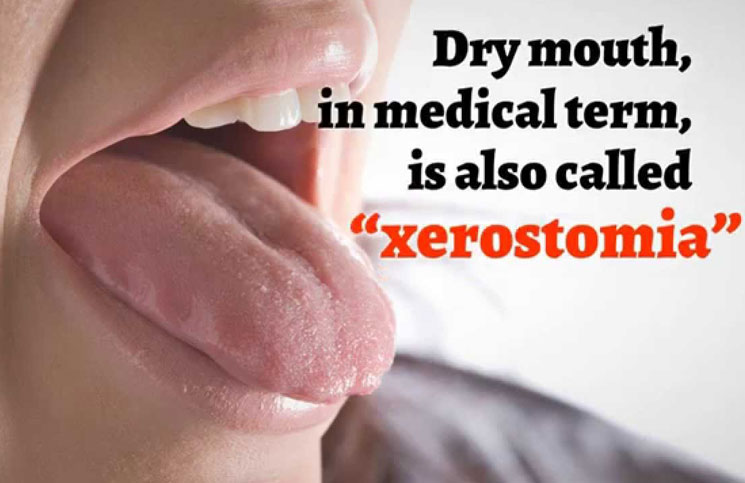

“Xerostomia, or oral dryness, is one of the most common complaints experienced by patients who have had radiotherapy of the oral cavity and neck region.”
I underwent local radiation to my newly resected fifth cervical vertebra in February of 1994. I was told I had a single bone plasmacytoma (pre-MM) in my C5 that had to be removed. I underwent local radiation to the area following the surgical procedure.
During the years following the local radiation therapy I developed a long-term side effect called xerostomia.In effect, my local radiation damaged my salivary glands’ ability to produce saliva. I learned the hard way just how useful, how important saliva is to us.
Xerostomia or dry mouth, if left unchecked, can lead to a host of dental and overall health problems. Because saliva cleans the mouth and remineralizes teeth, lack of sufficient saliva encourages cavity development and acid erosion. Gum disease and tooth loss are common results of xerostomia, as well.
In order to address my mantra “I wish I knew then what I know now” this post will define xerostomia, discuss the pros and cons of radiation in cancer therapy and finally, discuss possible therapies shown to heal xerostomia.
Benefit of this therapy?
I developed full multiple myeloma less than a year after this local radiation to my neck. I don’t see how the local radiation could have been any benefit to me. Therefore, I had to figure out how to manage the negative effects of xerostomia. I had to manage the enamel erosion from my teeth, the receding gums, and much more.
The 4 blog posts linked below document this side effect, my therapies, coping mechanisms, etc for my dry mouth.
Like all my other long-term and late stage side effects,
- I was not told about the likelihood of this side effect during my therapy
- I had to figure out the side effect, the seriousness and possible therapies
- I wrote about the experience in PeopleBeatingCancer.org over the months and years following treatment
Alternatives to local radiation therapy?
Though I developed full-blown MM less than a year after my local radiation, I do believe that this therapy- local radiation- can be an effective therapy for patients’ with a SBP. I believe I was mis-diagnosed with pre-mm when I already had full MM.
I have worked with many patients who have also been diagnosed with a single-bone plasmacytoma (SBP) and many people live with this pre-myeloma diagnosis for years.
Therapies to heal radiation fibrosis that causes xerostomia?
have been shown to reduce the damage done by radiation (resveratrol and melatonin) and heal radiation damage. I do neck sit-ups (shaker exercise) every morning for my dysphagia. (dysphgagia is closely related to xerostomia in my case)
I get bored if I just hold my head off the floor. So I do sit-ups, front, side, on my stomach, yada yada…
I do all three therapies regularly and have for years now. The only addendum I would add is to begin this therapy ASAP following local radiation to your head and neck area. I would also consider hyperbaric oxygen therapy immediately following radiation therapy.
In short, this post and links to my blog posts documenting this side effect is designed to address my mantra of “I wish I knew then what I know now-“
- To Learn More about radiation dermatitis- click now
- Learn about healing chemotherapy-induced aging- click now
- To Learn More about xerostomia- click now
- Learn about my long-term myeloma survivor experience- click now
- To Learn More About the pros and cons of Ionising Radiation- click now
- To Learn More about short, long-term and late stage side effects- click now
Scroll down the page, post a question or a comment and I will reply to you ASAP.
Thanks and hang in there-
David Emerson
- MM Survivor
- MM Cancer Coach
- Director PeopleBeatingCancer
Recommended Reading:
- Multiple Myeloma Side Effects- Radiation-Induced Lumbosacral Plexopathy
- Long-Term Multiple Myeloma Survivor- If I Knew Then What I Know Now
- Cancer Coaching Testimonials- PeopleBeatingCancer
Radiation-induced xerostomia: pathophysiology, clinical course and supportive treatment
“Xerostomia, or oral dryness, is one of the most common complaints experienced by patients who have had radiotherapy of the oral cavity and neck region. The hallmarks of radiation-induced damage are acinar atrophy and chronic inflammation of the salivary glands. The early response, resulting in atrophy of the secretory cells without inflammation might be due to radiation-induced apoptosis. In contrast, the late response with inflammation could be a result of radiation-induced necrosis. The subjective complaint of a dry mouth appears to be poorly correlated with objective findings of salivary gland dysfunction.
Xerostomia, with secondary symptoms of increased dental caries, difficulty in chewing, swallowing and speaking, and an increased incidence of oral candidiasis, can have a significant effect on the quality of life.
At present there is no causal treatment for radiation-induced xerostomia…”
Effect of True and Sham Acupuncture on Radiation-Induced Xerostomia Among Patients With Head and Neck Cancer
“Conclusions and Relevance This randomized clinical trial found that TA (true acupuncture) resulted in significantly fewer and less severe RIX symptoms 1 year after treatment vs SCC…”