
PeopleBeatingCancer supports an evidence-based integrative approach to cancer care. For most newly diagnosed patients, FDA-approved therapies form the foundation of treatment, while evidence-based complementary therapies may help reduce side effects and improve survivorship.
Click the orange button to the right to learn more.
Multiple Myeloma Diet: What to Eat Before, During, and After Treatment. Evidence-based nutrition strategies to reduce side effects, support immunity, improve recovery, and promote long-term survivorship.
“The point of all this is that, done right, nutrition should be one of the easiest and most enjoyable therapies for multiple myeloma patients and survivors to include in their regimen, before, during and after therapy.”
Newly diagnosed patients ask me about a multiple myeloma diet. What foods to avoid, what foods to eat now that they have been diagnosed with MM. Interestingly, of all of the therapies I have studied and written about since my diagnosis in 1994, nutrition for the multiple myeloma patient has been the most difficult for two reasons.
Nutrition Before Starting Treatment
protein- enhance your protein intake-
Vitamin D- make sure your serum vitamin D levels are adequate through blood testing.
weight optimization– maintain a healthy weight before, during, and after therapy
muscle mass- exercise moderately in an effort to maintain muscle mass.
inflammation– see link below for anti-inflammatory diet
hydration- hydration is key during therapy
What to Eat During Induction Therapy
See the link below for diet to enhance gut microbiome to moderate side effects-
nausea
constipation
diarrhea
appetite loss
steroid-induced blood sugar
hydration
Nutrition During Stem Cell Transplant
You might not feel like eating during your SCT, but try to keep your gut microbiome healthy
neutropenic diet
food safety
protein
probiotics (carefully)
calories
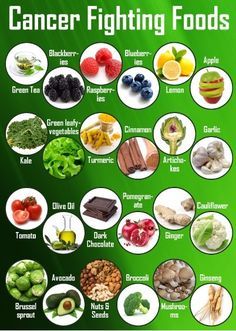
Foods That May Help Reduce Myeloma Progression
cruciferous vegetables
berries
omega-3 fats
green tea
mushrooms
curcumin
fiber
Foods to Limit before, during, and after
ultra-processed foods
excess sugar
alcohol
processed meats
Supplements to Discuss With Your Oncologist
vitamin D
omega-3
magnesium
probiotics
curcumin
Treatment Phase
Nutrition Priority
Before treatment
Build protein stores
Induction
Manage side effects
Transplant
Food safety + protein
Recovery
Muscle rebuilding
Survivorship
Anti-inflammatory diet
Another table:
Symptom
Nutrition Strategy
Constipation
Fiber + hydration
Diarrhea
Soluble fiber
Nausea
Small meals
Mouth sores
Soft foods
Neuropathy
Omega-3-rich foods (supportive evidence)
Ed.Note: according to my friend and best-selling author Michael Ruhlman, we should talk about “nutritious” foods, not foods that are “healthy.” Regardless, the cancer patient/survivors food manifesto is Michael’s book “Grocery: The Buying and Selling of Food in America.”
Reason #1 is that multiple myeloma diet is rarely studied in a rigorous way. The disagreement among nutritionists demonstrated in the first article below is a good example of this lack of research on the subject.
Most importantly, I, we- MM patients and survivors are human. None of us can follow a strict set of dietary rules for years without fail. At least I can’t. The articles linked below offer general rules and guidelines.
When I look back on my own MM survival since ’94, I have followed general nutritional guidelines myself. My own multiple myeloma diet is pretty good, nutritionally speaking.
Especially as the rules have changed. When I was first diagnosed I read that coffee was bad for you so I stopped drinking coffee. Now coffee (3-4 cups a day) is good for you.
Alcohol- I drank for the first couple of years post MM diagnosis. My onc. didn’t tell me not to. I stopped consuming alcohol for a couple of years. Now I drink a glass of wine 2-3 times a week.
I love hummus so I can fill the fridge with this nutritious food. But quinoa? Not so much. I eat this superfood only when my wife finds a recipe that can mix quinoa with other foods to disguise this dry, bland grain. And as for alcohol, don’t kid yourself. Regular people rate the wine as being unhealthy because they know that moderation is a difficult goal. I know few people who can stick to one glass a day.
The point of all this is that done right, the multiple myeloma diet should be one of the easiest and most enjoyable therapies for MM patients and survivors to include in their regimen, before, during and after therapy.
Please scroll down the page and ask a question or leave a comment.
Thank you,
David Emerson
Multiple Myeloma Survivor
MM Cancer Coach
Director PeopleBeatingCancer
From David Emerson, Long-Term Myeloma Survivor
When I was diagnosed in 1994, nutrition received little attention in my treatment plan. Over the years, I learned that maintaining muscle mass, supporting my gut microbiome, staying hydrated, and eating an anti-inflammatory diet became important parts of my long-term survivorship. While diet is not a cure for myeloma, it can be an evidence-based way to support treatment and recovery alongside conventional oncology.
“We surveyed Americans and a panel of nutrition experts about which foods they thought were good or bad for you….
Is popcorn good for you? What about pizza, orange juice or sushi? Or frozen yogurt, pork chops or quinoa?
Which foods are healthy? In principle, it’s a simple enough question, and a person who wishes to eat more healthily should reasonably expect to know which foods to choose at the supermarket and which to avoid.
Unfortunately, the answer is anything but simple…
Of the 52 common foods that we asked experts and the public to rate, none had a wider gap than granola bars. More than 70 percent of ordinary Americans we surveyed described it as healthy, but less than a third of nutritional experts did. A similar gap existed for granola, which less than half of nutritionists we surveyed described as healthy…
Foods considered healthier by experts than by the public
“Get as much of your nutrition as possible from a variety of completely unprocessed foods.
Eat lightly processed foods less often.
Eat heavily processed foods even less often.
Eat as much home-cooked food as possible, which should be prepared according to Rule 1
Use salt and fats, including butter and oil, as needed in food preparation.
When you do eat out, try to eat at restaurants that follow the same rules.
Drink mostly water, but some alcohol, coffee and other beverages are fine.
Eat with other people, especially people you care about, as often as possible.
I’ve avoided treating any food like the devil. Many nutrition experts do, and it may turn out they’re right, but at this point, I think the jury is still out. I’ve therefore tried not to tell you to avoid anything completely. My experience tells me that total abstinence rarely works, although anecdotes exist to support that practice. I think you’ll find that many other diets and recommendations work under these rules. These are much more flexible and, I hope, reasonable than what some might prescribe.
All of these rules are subtly trying to get you to be more conscious of what you’re eating. It’s far too easy these days to consume more than you think you are or more than you really need, especially when eating out. I’ve found that it’s impossible to tell any one person how much they should be eating…”
APPIP ERROR: amazonproducts[
AccessDeniedAwsUsers|The Access Key Id AKIAJAJ37JVNL7OUU4CA is not enabled for accessing this version of Product Advertising API. Please migrate your credentials as referred here https://webservices.amazon.com/paapi5/documentation/migrating-your-product-advertising-api-account-from-your-aws-account.html.
]
Leave a Comment:
52 comments
Kathryn Guillaum says
a couple of years ago
I hope you are well! I have some kind of a …flu? I hope that’s all it is. I have blood labs Monday. Masking up again because of the flying virus bugs out there. HUG!
My husband is, what I guess you would call, pre-myeloma. MGUS free kappa/IgG, light chain ratio 14. He also has CLL. I have been trying to download the pre-myeloma pdf, but have been unsuccessful. Can you help.